
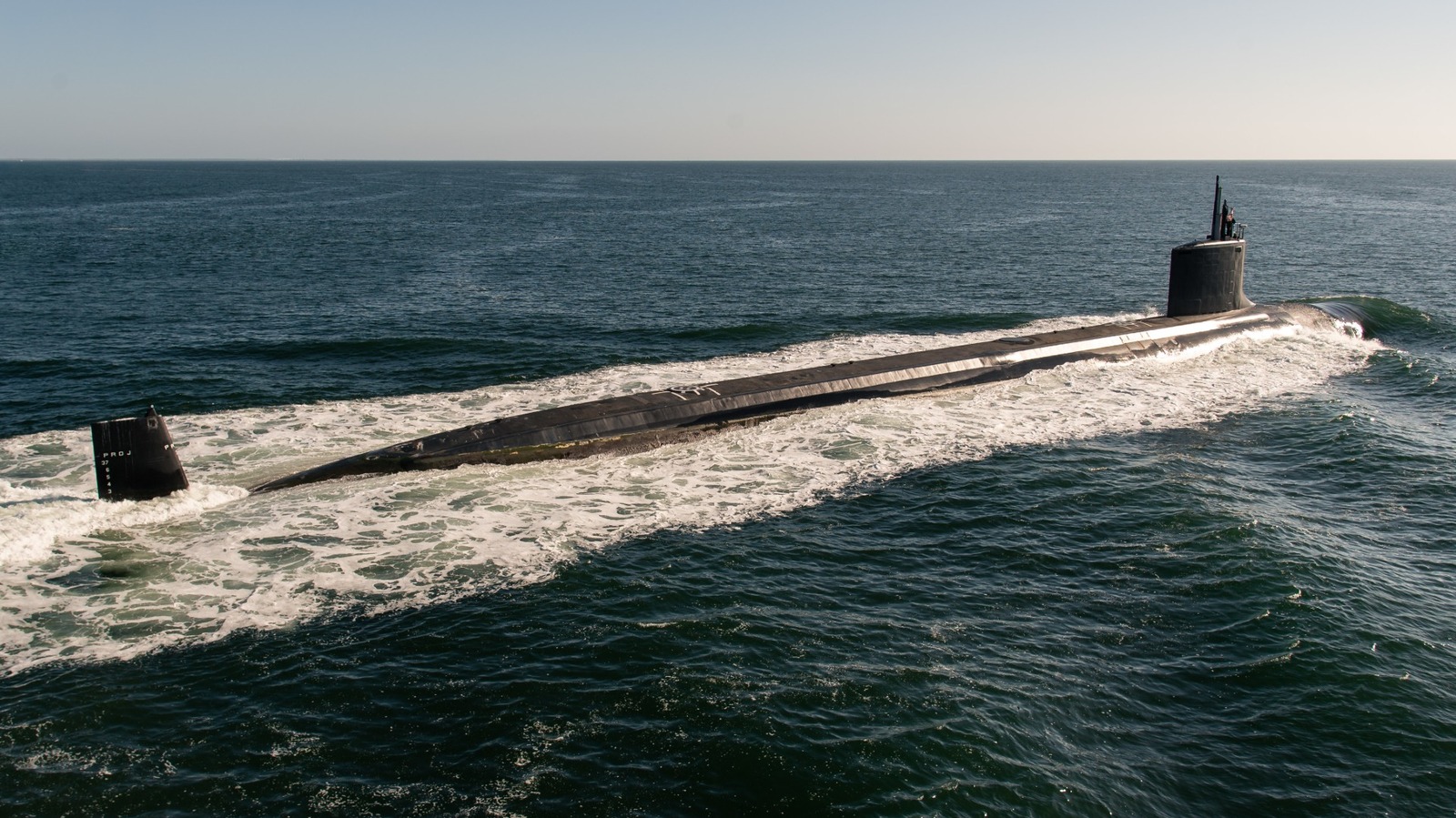
- New Virginia-class submarine enters service early
- Post-shakedown availability is waived
- Navy says the boat is combat-ready
- Skipping the usual process is unusual
- The USS Massachusetts brings major undersea capability
The USS Massachusetts has moved into the Navy’s hands faster than expected, and that alone turns heads. Instead of waiting for the usual final maintenance window after sea trials, the submarine was cleared to head straight toward fleet duty. The decision puts a fresh Virginia-class fast attack boat into service with a sense of urgency that feels almost like a statement.
That kind of move is not the normal playbook. Since World War II, the Navy has leaned on a familiar path of construction, commissioning, sea trials, and post-shakedown availability, with each step meant to catch problems before a vessel is pushed hard in service. Skipping that last phase is rare because it is where issues get sorted out in drydock, often before they become bigger headaches down the line.
The Navy’s reasoning is simple enough: the boat performed well, and leaders judged it ready. Adm. Daryl Caudle put it bluntly when he said, “USS Massachusetts is ready to fight, and that is exactly where we need her, in the hands of our Sailors and available to the Fleet. Waiving this availability reflects the exceptional condition of the ship and our determination to deliver combat-ready capability faster.” That kind of language signals confidence, but it also shows how strongly the service wants capable hardware in the water now, not later.
The USS Massachusetts is the latest example of how the Virginia-class remains central to the Navy’s undersea muscle. It is the 25th Virginia-class submarine and the 7th built under Block IV, a version packed with upgrades that make these boats dangerous in all the right ways. With the program expected to reach 45 boats for the U.S. Navy, the class is clearly not a side project.
The platform itself is built for endurance, stealth, and serious firepower. It displaces about 7,800 tons, stretches 377 feet, and can move at roughly 29 mph, while carrying 120 enlisted submariners and 15 officers. Its nuclear reactor gives it essentially unlimited range, which changes the whole game for patrol planning and long-haul missions.
What makes the skip of post-shakedown availability even more notable is the level of trust it suggests in the ship’s condition. PSA exists for a reason, since it is meant to catch defects, fine-tune systems, and handle repairs that pop up after trials. If the Navy is willing to bypass that step, it is because the problems found were either absent or minor enough to live with until later.
That is where the decision gets interesting. A year or more can disappear inside a normal PSA cycle, with shipyard time, maintenance demands, and personnel all tied up while the boat waits. Letting the Massachusetts move on now keeps the submarine available and frees up resources for other vessels, which is a practical upside that matters a lot when the fleet is always juggling priorities.
The Block IV configuration adds another layer to the story. Instead of the older layout that used 12 vertical launch systems, the Massachusetts carries two Virginia Payload Tubes, each able to launch six Tomahawk cruise missiles. Add in four torpedo tubes, improved acoustics, stealth features, and modern combat systems, and the result is a sub built to stalk quietly and strike hard.
There is also a bigger backdrop here: the Navy has been phasing out older Los Angeles-class and Ohio-class boats as the Virginia-class takes over more of the mission set. That replacement effort is a major shift in force structure, and every new boat that joins the line matters. The Massachusetts slides into that picture with a lot of pressure on its hull and a lot of expectations riding on its first days with the fleet.
Even the naming carries a little weight. This is the eighth U.S. vessel to bear the name Massachusetts, which gives the submarine a link to a long naval tradition while still looking very much like the future. The combination of heritage and cutting-edge capability is part of what makes these boats so compelling, and this one arrives with the kind of start that suggests the Navy wants to make every minute count.
