
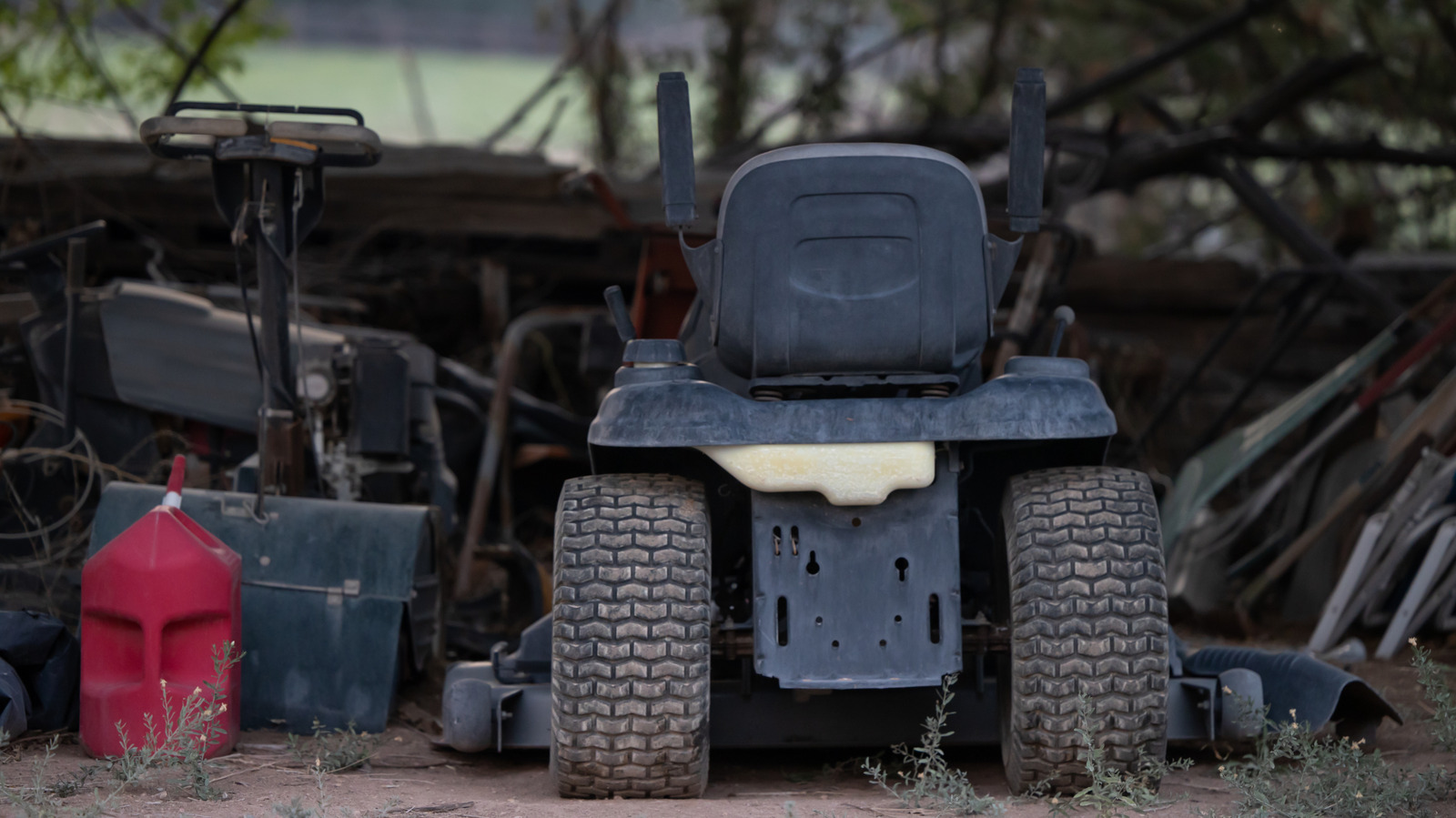
Getting a riding mower to fire back up usually comes down to a handful of familiar trouble spots. Fuel, battery power, oil level, airflow, and worn ignition parts all sit near the top of the list, and each one can stop a machine cold when the grass is waiting.
Because these machines pack more hardware than a basic push mower, the problem often hides in plain sight. A quick check of the major systems can save a lot of frustration, especially when the fix is something simple like fresh fuel or a dirty part that needs attention.
The fuel tank is the easiest place to start, and it should always be on the short list. Sometimes the mower is simply out of gas, but even a partially filled tank can cause trouble if the fuel has gone stale after sitting for too long.
Old gasoline is a common enemy, especially on mowers that spend months parked through the winter. When fuel has aged out, draining the tank and replacing it with fresh gas can bring the machine back to life without any deeper repairs.
Next comes the battery, along with the charging system that keeps it alive. Corrosion, weak charge, or outright battery failure can keep the starter from doing its job, and a mower battery that is past its prime is often ready for replacement.
That charging system matters too, because a battery that keeps dying may not be the real problem. If the alternator is not doing its part, the mower may start after a charge and then act stubborn again the next time it is needed.
Engine oil is another spot that can shut things down fast. Some riding mowers are designed not to start when oil is too low, which protects the engine from damage but can make the issue feel mysterious if the dipstick has not been checked.
A low reading means the engine may be running short on lubrication, and that is not something to shrug off. If the oil is missing for no obvious reason, a leak could be draining the system and causing the same failure to return after every refill.
Airflow is just as important as fuel, and a clogged filter can throw the whole mix off. When dirt, grass dust, and debris build up, the engine cannot breathe properly, and that weakens the fuel-air balance needed for ignition.
Replacing or cleaning the air filter is one of those jobs that pays off twice, since it can solve a starting issue and help prevent the next one. A mower that gets regular attention here is far less likely to choke itself out when work needs to get done.
The last area to inspect is made up of the smaller consumable parts that make ignition happen in the first place. Spark plugs, solenoids, and related components wear down over time, and when they do, the engine may crank but never quite catch.
These parts may seem minor, but they are doing heavy lifting every time the mower starts. A tired spark plug or a failing solenoid can turn a healthy-sounding machine into dead weight, which is why routine inspection has a way of paying off right when it matters most.
