
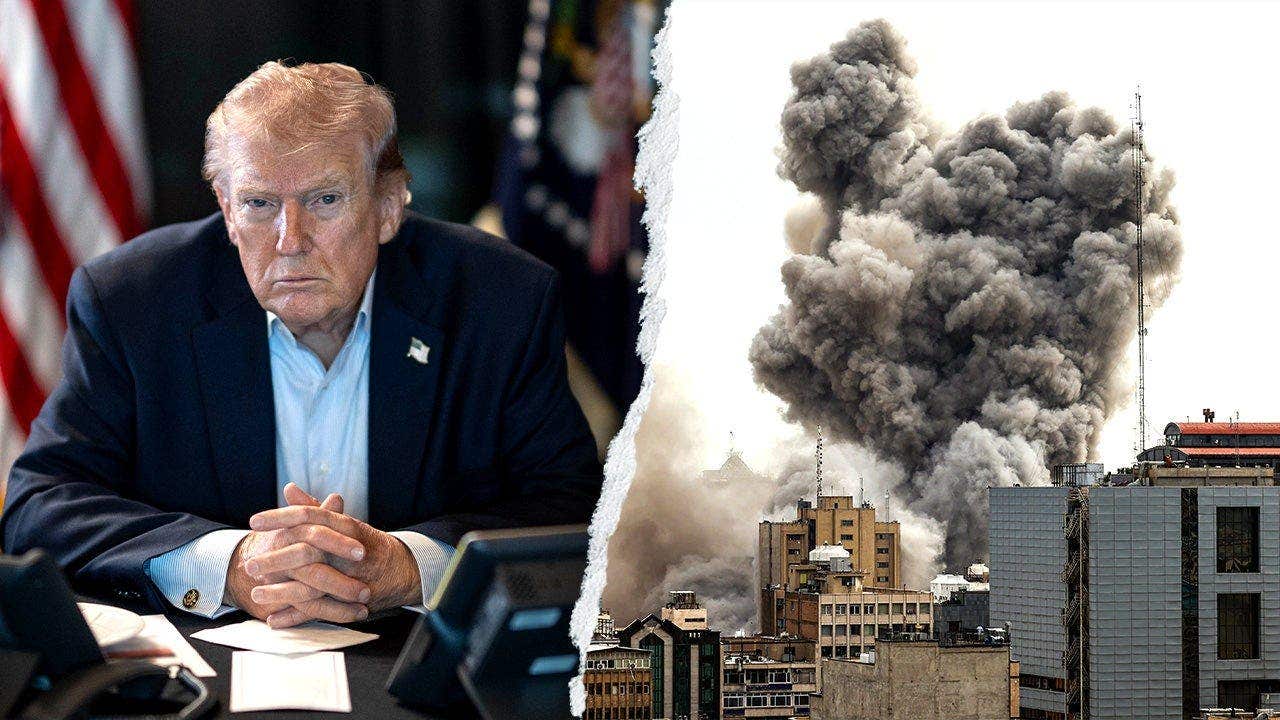
President Donald Trump is pushing a harder line on Iran that puts an end to the old game of letting allies profit while America carries the danger. The core idea is simple and sharp: if countries want the upside of doing business with the United States, they cannot keep feeding the regime in Tehran. That shift is already forcing uncomfortable choices across Europe, the Gulf, and especially China.
The big change is that the pressure is not aimed only at Iranian officials or institutions that already live under sanctions. It is aimed at the foreign banks, shipping firms, refiners, insurers, and middlemen that keep Iran’s economy breathing. That approach cuts deeper because it targets the network around Tehran, the people and companies that make the whole machine run.
For years, America’s allies enjoyed the benefits of access to the U.S. market while still finding ways to do business with Iran. Europe, in particular, kept talking about diplomacy, leverage, and engagement, but the result was often the same: Iran got the money, and the West got more excuses. The pattern became familiar, with everyone pretending commerce would somehow soften a regime that kept building missiles, backing proxies, and squeezing its own people.
That is why the United Arab Emirates decision to suspend trade and financial transactions with Iran matters so much. Dubai has long acted as a vital escape hatch for Tehran, giving it access to re-exports, currency conversion, trade finance, and shell-company cover. Closing that lane does not just hurt Iran’s convenience, it attacks one of the main ways sanctions were sidestepped in the first place.
The expectation now is that other partners follow the same path instead of hiding behind half-measures. Access to America is not a freebie, and countries that want the perks of U.S. security and trade should not be allowed to bankroll the very threat Washington is trying to contain. If they keep helping Iran, they should feel it in trade rules, visa policy, banking access, and public scrutiny.
There is also a strong case for putting names and faces on the problem. A public list of countries, banks, shippers, refiners, insurers, and intermediaries would make it harder for anyone to pretend the issue is too technical or too messy to confront. Companies that help move Iranian oil, disguise cargo, or process payments should not be treated like ordinary market players.
China is the toughest test of all. Beijing cannot keep enjoying deep access to American consumers and capital while also supplying the economic oxygen that keeps Tehran afloat. If Chinese refineries, banks, and shipping companies are handling Iranian commerce, they should face real restrictions in the United States, not polite warnings and endless delay.
That is where the whole strategy either proves itself or collapses into another slogan. If the White House backs down when a major Chinese institution gets hit, the message becomes hollow fast. If it follows through, the effect could be immediate, because markets, corporations, and governments notice when Washington means business.
Critics will call this escalation, but it is really the opposite of a reckless war plan. Instead of sending troops into Iran and betting the lives of American service members on another long occupation, Trump is using economic pressure to shorten the conflict and raise the cost of aggression. That is a very different move from the usual Washington habit of making noise while doing very little.
Israel still has a critical role in all of this, especially when it comes to intelligence, disruption, and direct pressure on nuclear and missile capabilities. The United States can provide support, protection, and strategic cover while letting Israel handle much of the dangerous work. The goal is not chaos for its own sake, but a steady squeeze on the people driving Iran’s threats.
Any relief for Tehran should be tied to hard proof, not promises, slogans, or another paper deal that can be twisted later. Iran would need to stop attacking shipping, abandon the path to a nuclear weapon, and cut off proxy warfare before real benefits arrive. Until then, the message should stay blunt: if you help keep Iran in business, America should be less in business with you.

1 Comment
Needed since they aid activities in the US buying farmland