
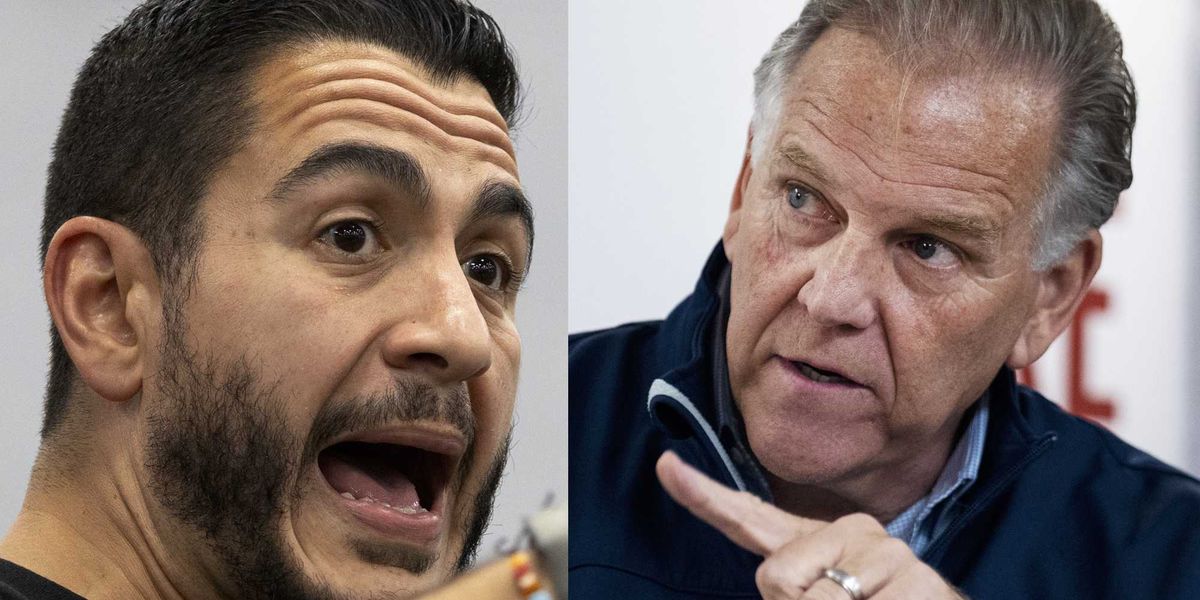
A Michigan Senate race got a lot louder after an aide to Abdul El-Sayed compared a campaign ad from Mike Rogers to a “KKK cross burning,” a line that instantly turned a political spot into a full-blown controversy. The ad itself featured a vintage truck and American flags, but the backlash quickly shifted the conversation from campaign imagery to race, symbolism, and just how far opponents are willing to go when the stakes get high.
The remark landed in a race already packed with tension, where every visual cue gets dissected and every sentence is treated like a weapon. Rogers, a Republican trying to win a high-profile Senate seat, has leaned into patriotic imagery before, and his campaign message was meant to project grit, tradition, and plainspoken Americana.
El-Sayed’s side clearly saw something very different. By invoking one of the most toxic symbols in American history, the aide dragged the ad into territory that was bound to spark outrage, not just among Rogers supporters but among plenty of voters who want a little less theater and a little more substance.
That kind of rhetoric is never subtle, and in a race like this, subtlety is usually the first casualty. The comparison was not just inflammatory, it was the sort of line that hardens camps immediately, forcing everyone to choose between outrage at the wording and anger at the ad that triggered it.
Rogers has spent much of the campaign trying to sell himself as a tough, familiar, no-nonsense candidate who speaks to voters who are tired of polished political scripts. The ad’s vintage truck and waving flags were built to reinforce that image, the kind of visual shorthand campaigns use when they want to signal patriotism without saying the word out loud.
But in modern politics, visual shorthand cuts both ways. One side sees heritage and pride, while the other sees code, exclusion, or a message aimed at a narrow slice of the electorate, and once that argument starts, it can swallow the whole day’s news cycle.
El-Sayed’s campaign has often tried to frame the contest as a broader fight over values and identity, and this latest flashpoint fit neatly into that strategy. The downside is obvious: when a campaign reaches for the most explosive historical comparisons available, it risks looking less like a moral warning and more like a deliberate bid to inflame.
For voters, the whole mess is another reminder of how personal and corrosive campaign season can get. Instead of a clean debate over records, priorities, or policy, the focus snaps to loaded language, old symbols, and the latest attempt to define an opponent in the harshest possible light.
Rogers and El-Sayed are both running in an environment where every scrap of imagery is judged through a partisan lens, and this episode makes that even clearer. A truck, a flag, and a bitter response turned into a political firestorm because neither side is really speaking only to the moment in front of them, they are speaking to everything voters already believe.
