
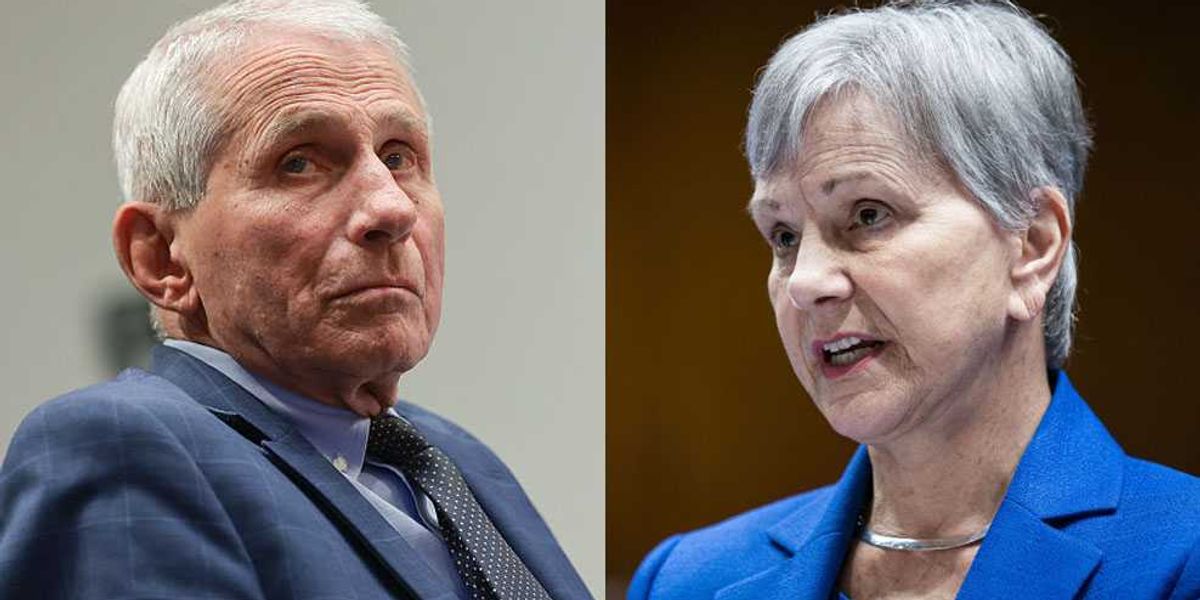
Warnings, missed signals, and a whole lot of second-guessing are hanging over the vaccine story now, with Anthony Fauci once again at the center of the storm. The latest fallout turns on claims that he was told to keep an eye on spending and prepare for trouble tied to vaccine backlash, advice that now looks sharper in hindsight.
The pressure around COVID-19 policy was never just about medicine. It also touched the Food and Drug Administration, the National Institute of Allergy and Infectious Diseases, and the Centers for Disease Control and Prevention, all of which were forced to make fast calls while the country was angry, scared, and exhausted.
At the heart of the dispute is a simple but explosive question: who saw the risks coming, and who brushed them off? When warnings are ignored, or even softened for convenience, the bill usually shows up later, and it tends to come due in public.
That is what makes the current criticism sting. If there really were signs that vaccine fallout could become a serious political and public health problem, then the message to save money was not just about budgets. It was a signal that the whole operation needed more caution, more honesty, and a thicker skin.
Fauci became the face of the federal COVID response, and that made every success and every mistake land on his shoulders. For supporters, he was trying to steer through chaos with bad data, shifting science, and nonstop partisan heat. For critics, he was the guy at the wheel while the country took on water.
The vaccine rollout itself brought a strange mix of confidence and doubt. Officials pushed hard to get shots into arms, but the public quickly learned that trust is fragile when guidance changes, side effects are debated, and people start feeling like they are being talked down to instead of being told the truth.
That trust problem did not stay in the health world. It spilled into politics, where every statement from federal agencies was parsed like it was a campaign ad. Once that happens, even well-meaning decisions can start to look like cover-ups, and every new document or remark gets treated like evidence in a larger case.
Budget caution may sound dry, but in a crisis it can be a clue. If leaders are already thinking about the cost of backlash, then they are admitting the story could turn messy, and messy stories rarely stay contained inside agency walls.
What keeps this fight alive is not just the vaccine itself, but the way institutions handled the whole thing. People remember mandates, mixed messaging, and the sense that dissent was often treated as a nuisance rather than a warning sign. That kind of memory sticks, and it does not fade just because officials want to move on.
For many Americans, the deeper issue is accountability. They want to know whether the people in charge were focused on health outcomes first or image management first, because those are not the same thing, and the difference matters when lives, jobs, and public trust are all on the line.
Fauci’s name still carries enormous weight because he became the public symbol of a once-in-a-generation crisis response. When fresh revelations land, they do not feel like dusty paperwork. They feel like another round in a fight that never really ended, and the next round usually comes with even more receipts.
