
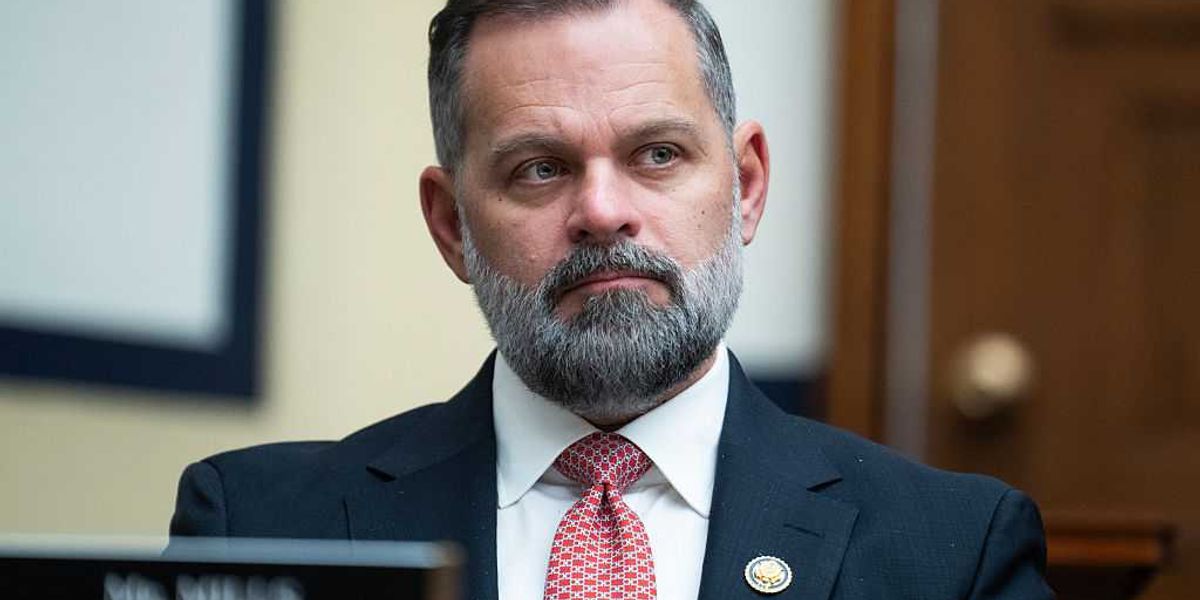
Cory Mills is staring at a rough political moment in Florida, where a Republican primary has turned into a serious warning sign for the congressman. The fight is not just about one race on a calendar, but about trust, image, and whether a lawmaker can keep support when the base starts looking elsewhere.
The turbulence around Mills has made this contest feel bigger than a routine primary. In a party that prizes toughness, discipline, and local loyalty, any sense of weakness can spread fast and stick even faster.
The main pressure point is the primary itself, where Republicans are weighing whether Mills still fits the job they want him to do. When voters in the party start sending mixed signals, the message is usually simple: the ground is moving under the candidate’s feet.
That matters in Florida, where Republican politics can be unforgiving and loud. A candidate who slips on confidence or credibility can find the room closing in quickly, especially when challengers smell opportunity and undecided voters start paying attention.
Mills has also been forced into a broader battle over his standing inside the party. Support in a primary is not just about name recognition, because it depends on whether voters still believe a candidate reflects their priorities and can carry the banner without dragging the team down.
When that connection starts to fray, the damage is usually public and relentless. Every rough headline, every awkward question, and every sign of disunity gets magnified until the race stops looking like a contest and starts looking like a test of survival.
The challenge for Mills is that political wounds rarely stay small once a primary heats up. Opponents can turn unease into momentum, and even a once-comfortable incumbent can suddenly look vulnerable if the base decides it wants a reset.
That kind of shift is what makes primary politics so brutal. Voters are not just choosing a name on a ballot, they are also deciding whether the current standard-bearer still deserves the job, the attention, and the trust that come with it.
Florida Republicans are known for wanting results, not excuses, and that leaves very little room for drift. If a candidate gives the impression of being out of step with the mood of the party, the backlash can show up fast and with very little warning.
Mills now faces that harsh reality, with the race forcing him to prove he still has a grip on the voters who matter most. The kind of primary pressure building around him can shake even a seasoned politician, because once doubts take root, they tend to spread through a campaign like fire through dry grass.
The larger story here is about political durability. A Republican incumbent in a competitive environment has to keep a tight hold on support, and when that grip loosens, every rival, every critic, and every restless voter starts asking whether change is coming sooner than expected.
For Mills, the stakes are plain. The primary is no longer just a date on the calendar, but a bruising reminder that in politics, momentum can flip fast, and once a candidate goes down in flames, climbing back becomes the whole game.
