
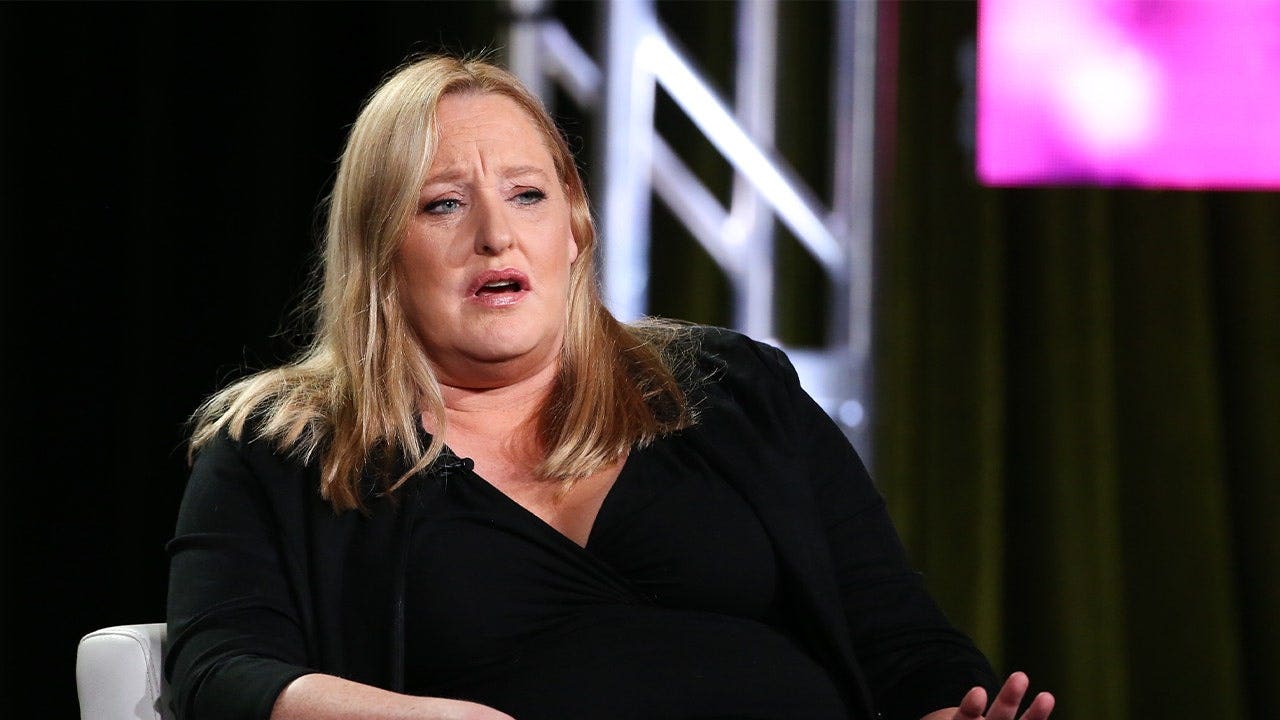
Heidi Beirich, once praised as a leading voice on extremism, is now at the center of a very different kind of story, one tied to federal fraud allegations and fresh scrutiny of how anti-hate work was financed and described. The case has dragged the Southern Poverty Law Center, the Center for American Progress, and longtime Democratic figures into a messy public fight over credibility, donor money, and who was really being helped behind the scenes.
Before the charges landed, Beirich was held up at a 2018 Center for American Progress event as a heavyweight in the fight against online hate. Neera Tanden, who led CAP and later worked in the Biden orbit, called her one of the “terrific leaders who are dedicating themselves to fighting the spread of extremism and speech online.”
That kind of praise now sits awkwardly next to the allegations that surfaced in Wednesday reporting. Beirich is facing charges of wire fraud conspiracy, conspiracy to submit false statements to a federally insured bank, and conspiracy to conceal money laundering, turning a once-celebrated public profile into a legal and political headache.
At the heart of the indictment is a source prosecutors identify as “F-9,” someone they say worked inside the neo-Nazi National Alliance while receiving more than $1.2 million from the SPLC. Prosecutors allege Beirich helped oversee those payments and also had a romantic relationship with the informant, including a shared home and joint bank accounts.
That part of the case has fueled the sharpest questions, because it blurs the line between monitoring extremist groups and getting too close to the people inside them. For critics, it looks less like detached research and more like a system that drifted into something hidden, expensive, and hard to defend.
CAP itself had earlier treated Beirich as a trusted expert on hate movements, with Henry Fernandez offering glowing remarks about her work. He called the effort “the leading organization that identifies hate groups in the country,” and said she was “probably the nation’s foremost expert on various forms of extremism, including the white supremacist, nativist and neo-confederate movements as well as racism in academia.”
Fernandez also said, “Even if you don’t know who Heidi Beirich is, you actually do because she leads the Southern Poverty Law Center’s Intelligence Project, which publishes the award-winning intelligence report,” before adding, “They’re the leading organization that identifies what hate groups in the country are.” That quote now lands with more weight, because the public is being asked to reconcile those accolades with allegations that the same network was moving money in deeply troubling ways.
Beirich was arrested in California, and the arrest comes amid a broader case involving the SPLC that began in April. Prosecutors say the organization was funneling money toward hate groups while publicly presenting itself as an enemy of the same movements.
The indictment says donor money was allegedly used to support racist leaders and organizers tied to the Ku Klux Klan, Aryan Nation, and the National Alliance. It also says paid informants were active around these groups at the same time the SPLC was denouncing them on its website, which has put the whole model under a bright and uncomfortable light.
According to the filing, money was allegedly used for extremist rallies, recruitment, chapter building, literature, and even materials for KKK robes, hoods, and cross burnings. Prosecutors also claim two KKK members trying to leave the movement were encouraged to stay and were offered monthly payments and expenses.
Beirich’s defenders say the accusations misunderstand the way hate group tracking works. She joined the SPLC in 1999, rose through several leadership roles, and became director in 2012 before leaving in 2019 to launch the Global Project Against Hate and Extremism.
During that run, she helped steer research and publications tied to the SPLC’s Intelligence Report and Hatewatch, while also becoming a familiar face in media coverage about extremism. Now the old profile is colliding with new allegations, and the distance between public praise and private conduct is looking a lot smaller than it once did.
Representatives from CAP have not said whether they expect to keep any future relationship with Beirich or when they last worked with her. The silence leaves one more open question hanging over a case that has already put donor trust, political alliances, and the entire anti-hate industry in the spotlight.
