
Democrats are sounding the alarm over artificial intelligence and the future of work, but the latest labor numbers have not backed up the panic. Since chatbots burst onto the scene in late 2022, the job market has kept chugging along, unemployment has stayed under 4.5%, and employers have continued adding payrolls. That gap between dire warnings and real-world results has turned AI into a bigger debate about trust, government power, and how much disruption a free economy can absorb.
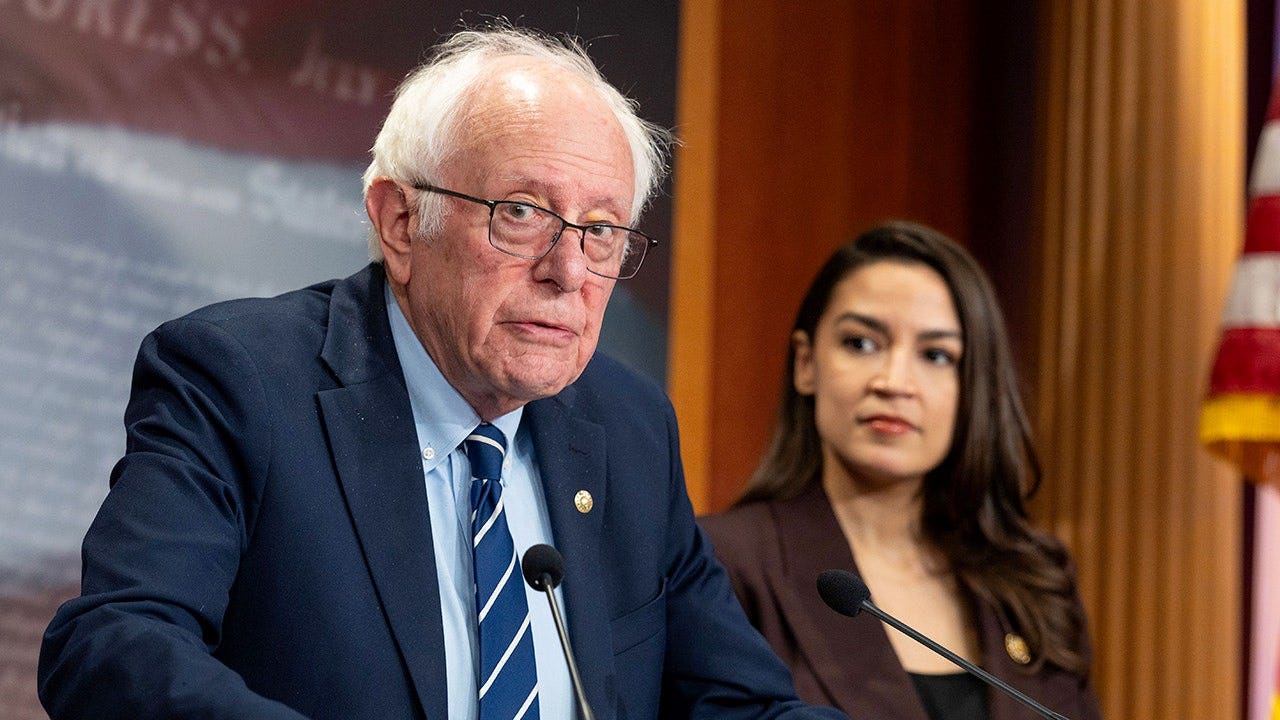
Some of the loudest warnings have come from Bernie Sanders, who has argued that society cannot just shrug at the possibility of major job losses. His pitch has been familiar: AI could slam the brakes on work for millions, so Washington should step in before the damage spreads. That message has gained traction with other Democrats who want more regulation, more oversight, and more taxpayer-funded fixes before the market has a chance to sort things out.
Still, the data tells a different story. The U.S. has kept adding jobs, and the unemployment rate has remained at historically low levels even as AI tools have spread into offices, customer service, and software development. Some companies that once talked like automation would wipe out entry-level roles have quietly changed direction and started hiring again after realizing the tech was not replacing workers nearly as fast as expected.
That is where the fight gets bigger than just AI. For conservatives, the issue is not only whether a chatbot can write code or answer emails, but whether government should always be the first place people turn when a new technology changes the rules. Economists like Richard Stern have framed the debate as a choice between free markets that adapt and central planning that tries to freeze the world in place.
Stern has pointed to past breakthroughs that triggered the same kind of fear, only to end up creating new opportunities later. He noted the Jacquard loom as a classic example, a machine that transformed weaving by automating parts of the process once done by hand. The old jobs changed, the economy shifted, and new value showed up where people had not expected it.
That broader history matters because AI is already being treated like a political emergency instead of a tool still settling into the workplace. Democrats such as Greg Casar have argued that government is not doing enough, and that the lack of sweeping action proves the system is ignoring the threat. In his view, AI will enrich investors and executives while leaving millions of workers behind.
Republicans and Trump allies are pushing back hard against that framing. Taylor Budowich argued that Trump’s AI surge would make workers more productive and more employable, not obsolete. The message is simple: new tools should raise output, boost wages over time, and help workers do more, not lock the economy into a fear-driven slowdown.
That disagreement has also spilled into the broader conversation about who should get to decide what happens next. Some Democrats want federal rules, state limits, and public programs to cushion the blow before any major labor shakeup arrives. Others say that approach assumes the worst about innovation and the best about government, a combination that does not usually age well.
Bernie Sanders has kept pressing the case that AI could gut the workforce, pointing to studies and anecdotal evidence about younger workers in exposed fields like programming and customer service. Elizabeth Warren has echoed that urgency, arguing that action should come before people are pushed out of jobs. Their side sees caution as responsible, while critics hear an argument for control that is always a little too eager.
At the center of it all is a pretty plain question: who do Americans trust more when the economy shifts, entrepreneurs or bureaucrats? Stern’s answer is blunt, and it cuts through a lot of the noise. The real debate is not just about machines, it is about whether people believe the country works better when innovation is allowed to move fast and workers are given room to move with it.
