
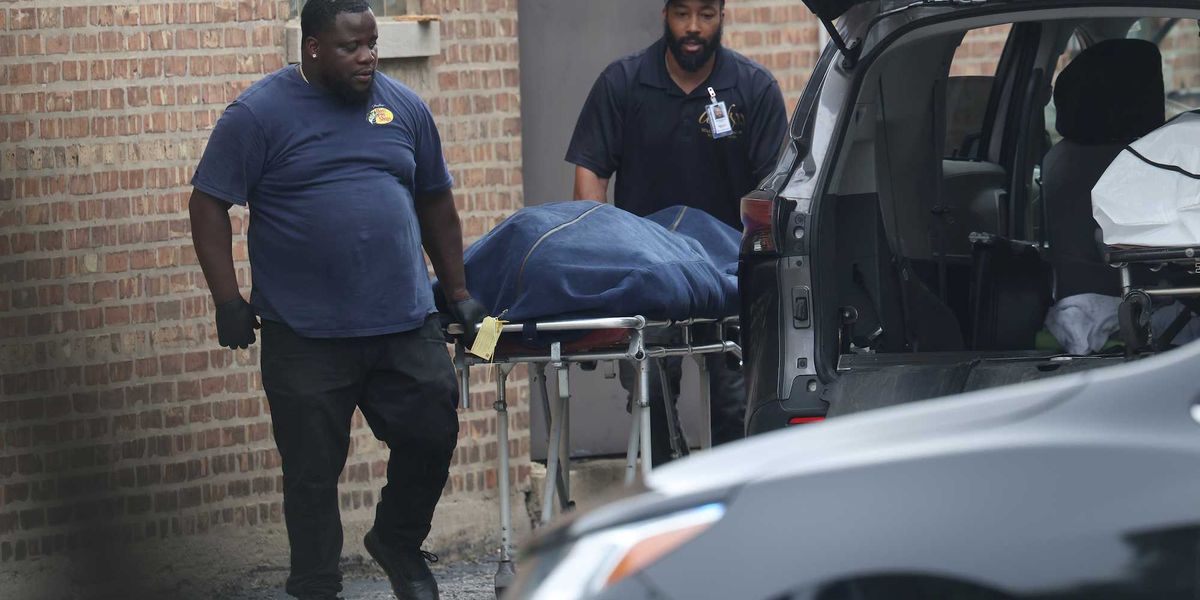
A grim scene in Chicago has put a spotlight on how badly things can go when a funeral home falls apart behind closed doors. Police say dozens of decomposing bodies were found packed into closets and a garage, raising immediate questions about oversight, public trust, and what families were told while the situation got worse. The case has the feel of a nightmare nobody expects to meet in a place meant for dignity, care, and final respect.
According to investigators, the discovery was made inside a funeral home in Illinois, where remains were allegedly stored in conditions that shocked even seasoned responders. The report points to bodies being crammed into spaces not meant for human remains at all, which makes the whole scene sound less like a business failure and more like a collapse of basic responsibility. For families who believed their loved ones were being handled properly, the emotional blow is hard to overstate.
Funeral homes depend on trust in a way few other businesses do. People walk in during some of the most painful moments of their lives, expecting professionalism, honesty, and calm. When that trust is broken, the damage spreads fast, because the harm is not just administrative or financial, it cuts straight into grief, memory, and the dignity of the dead.
The charges and possible legal fallout are expected to center on abuse of corpse allegations and whatever else investigators uncover as they sort through the scene. In cases like this, the paperwork may tell one story while the physical evidence tells another, and that mismatch can become explosive. If officials confirm prolonged neglect or concealment, the fallout could reach far beyond a single location.
Chicago has seen plenty of difficult crime stories, but this one hits a different nerve. It blends the kind of public disgust that comes with neglect of the dead with the broader frustration people feel when ordinary institutions seem to stop doing the basics. Nobody wants to imagine a loved one left in a closet or garage, waiting in conditions that violate every decent expectation of human care.
There is also the bigger issue of how such a situation went unnoticed for so long. A funeral home does not operate in a vacuum, and failures of this scale usually mean warning signs were missed, ignored, or buried under routine. That is where public confidence starts to crack, because once people begin wondering what else has been overlooked, the questions keep multiplying.
Officials will now have to piece together a timeline, identify the victims, and determine whether families were misled along the way. That process is likely to be painful, slow, and deeply personal for everyone involved. Even before the full legal picture comes into focus, the story has already laid bare how devastating it can be when a place built around compassion turns into a source of horror.
What makes the case especially disturbing is how ordinary the setting appears to have been on the surface. Funeral homes are supposed to feel quiet, respectful, and controlled, not chaotic or hidden behind locked doors and forgotten corners. When the reality inside looks nothing like the promise outside, the betrayal becomes part of the story too.
