
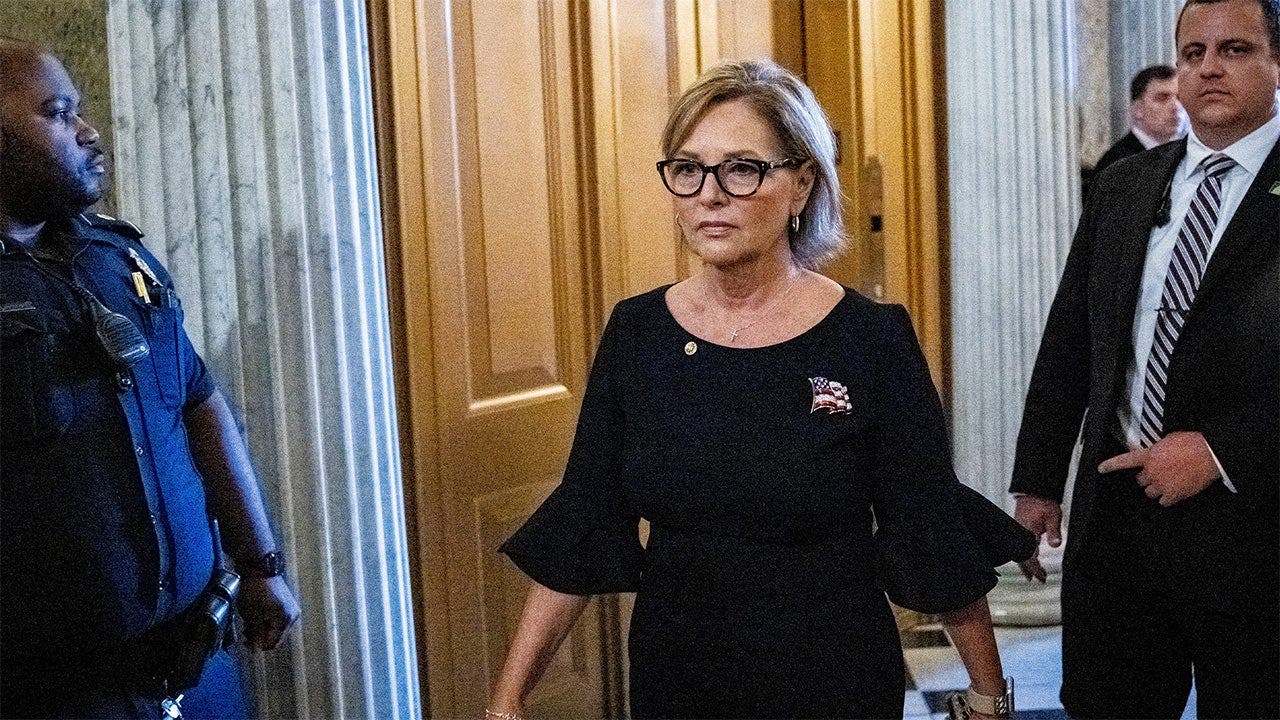
Darline Graham steps into the Senate spotlight with a story shaped by loss, grit, faith, and a very plain view of what matters in Washington. She ties her personal life to her political beliefs, talks openly about family struggles, and lays out a conservative message centered on work, values, and South Carolina.
To everyone who has offered condolences, shared memories, and sent prayers in recent weeks, the gratitude runs deep. Those messages have carried her family through a painful stretch, and that kind of support has clearly meant more than any polished speech ever could.
Graham says politics was never the dream. She entered the race because of President Donald Trump’s call to serve and because she wants to back his agenda while fighting for South Carolina’s interests.
Her upbringing helped shape that mindset. She grew up in a cramped space behind a bar and liquor store, where her parents worked long hours just to keep life moving, and where every dollar mattered because nothing came easy.
Then came the hardest blows. Her mother died when she was 11, her father followed a little more than a year later, and Lindsey stepped in to help raise her, becoming the steady force she says she will always miss.
That family story is paired with a work record she says proves she can handle responsibility. For seven years, she led a state agency with 130 employees and a $90 million budget, turning it into a model for helping people get jobs and live more independently.
She frames that experience as practical, not flashy. Spending had to be reasonable, allowable, and necessary, and duplication of services was treated as a waste of taxpayer money, not some harmless bureaucratic quirk.
Graham also makes a point of showing she is not some distant political creature. She describes herself as a mother, grandmother, and wife who knows bargain hunting, clearance racks, push mowers, and the kind of everyday chores most families recognize instantly.
That homegrown outlook carries into how she talks about the federal budget. If no business would allow constant credit spending, she argues, then Washington should not act like debt has no consequences.
Her policy views are sharp and unsoftened. She supports voter ID laws, backed the SAVE America Act, and says the Senate should stay in Washington through August if that is what it takes to move the bill forward.
Immigration is another place where she draws a hard line. She says the country was badly served by allowing millions of illegal immigrants to enter and insists the legal path should be the only path for those who want to come and stay.
On life and family issues, she is equally direct. She supports the Right to Life, backs the Second Amendment, opposes DEI, and says boys do not belong in girls’ sports or locker rooms.
She also leans into the kind of cultural fights that have become central to Republican politics. Her comments about AOC and Anthony Fauci show she is not trying to sound cautious or diplomatic when she sees something she dislikes.
Her sense of conviction comes through in the same blunt way. She says she stands for the national anthem, honors veterans, backs the blue, and believes Donald Trump can help lead the country in the right direction.
Even her entrance into the Senate is cast as a statement about representation and resistance. As the first woman U.S. senator in South Carolina history, she presents herself as someone who understands the state’s families and intends to speak for them without apology.
That is why she asks for prayers and votes without dressing it up. The message is simple, personal, and built around the same theme from start to finish: South Carolina comes first, and the people living paycheck to paycheck deserve someone who gets that pressure in their bones.
