
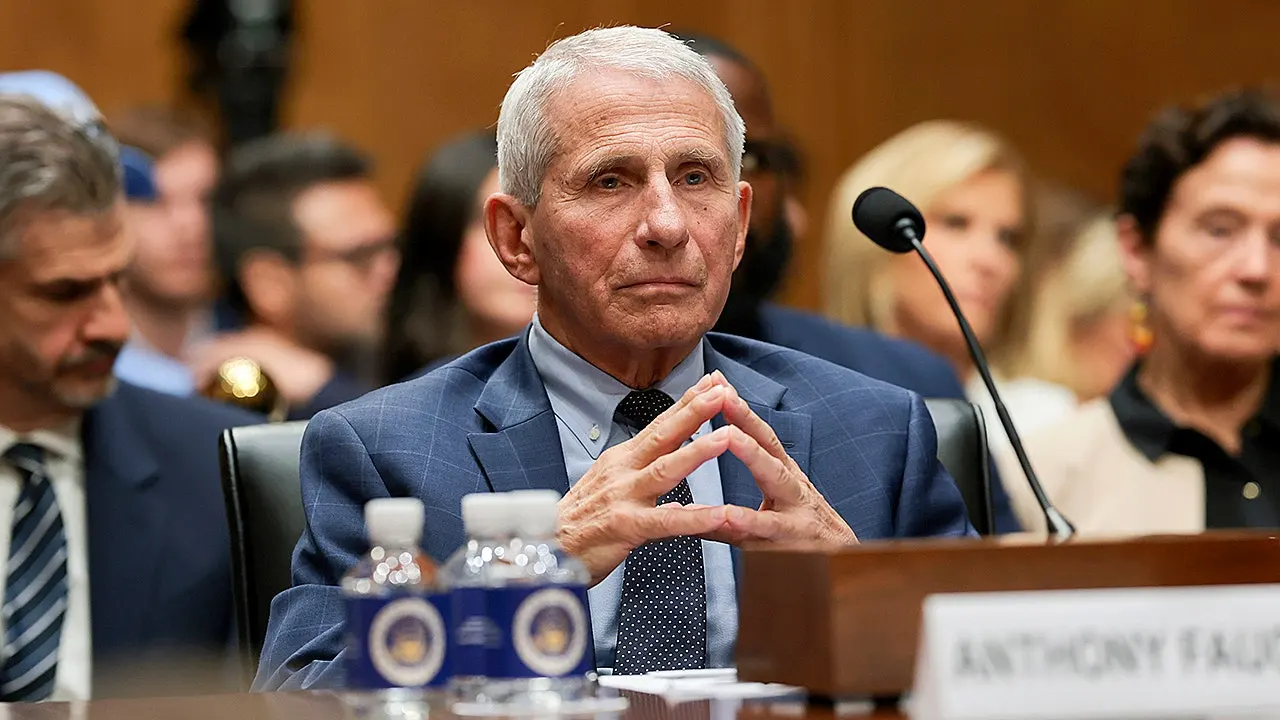
Anthony Fauci’s Senate appearance did not exactly calm anyone down. He gave a sharp opening statement, then leaned on the Fifth Amendment again and again, turning the hearing into a standoff over whether that move was legally sound or just a shield against tough questions.
The controversy sits on two tracks at once. One is whether Fauci had a real risk of criminal exposure, and the other is what Congress can do if it thinks he used the privilege to dodge accountability. Republicans are likely to push the issue hard, and that could send the whole matter into a courtroom next.
One big reason the Fifth Amendment argument looks shaky is the pardon Joe Biden issued before leaving office. That pardon was broad, covering possible federal crimes tied to Fauci’s work from 2014 through early 2025, which makes the usual self-incrimination argument harder to sell.
Time also matters. Fauci retired in 2022, so any state-level case would have to clear the hurdle of statutes of limitations, venue, and the question of whether a state could even credibly claim jurisdiction. The Supreme Court has long said the privilege is for real danger, not a far-off hypothetical.
There is also a basic legal point that gets lost in the shouting. The Fifth Amendment protects a witness from criminal exposure, not from embarrassment, bad headlines, or public embarrassment dressed up as legal fear. It is not a get-out-of-questioning card just because the answers might be uncomfortable.
That matters because some of the material surrounding Fauci has raised more than just political heat. Public records and diary entries discussed before the hearing suggest friction between his public statements and private views, along with praise from media and political circles that may have encouraged a larger-than-life image. None of that automatically proves a crime, but it does explain why lawmakers think they need straight answers.
Fauci’s side has its own defense, and it is not trivial. Some Republicans argue Biden’s pardons may be invalid if they were signed without his true knowledge or approval, which could revive federal exposure. State attorneys general have also signaled that they are looking into possible crimes connected to his government role, including perjury theories tied to testimony in COVID-related litigation.
That is the kind of legal fog that can make a witness nervous enough to take the Fifth. Courts usually look at whether there is a realistic chance of prosecution, not whether a case is guaranteed, and those public statements from investigators help Fauci argue that the risk is not imaginary.
Congress, though, is not stuck. The most direct response would be a contempt of Congress vote, first in committee and then in the full Senate. If Republicans keep together, they may well have the numbers to do it, and that would put the issue in the hands of the U.S. Attorney for the District of Columbia, Jeanine Pirro.
If contempt is referred for prosecution, a judge would then have to sort out whether Fauci’s Fifth Amendment claims hold up under the standard used by the D.C. Circuit. That is where the legal fight gets real, because courts do not care about the noise nearly as much as they care about whether there was a genuine danger of self-incrimination.
There are other tools too. Congress could offer use and derivative use immunity, which would force Fauci to testify while limiting how prosecutors could use that testimony later. It is a powerful move, but it also creates a burden for any future case because prosecutors would need to prove their evidence came from somewhere else.
Congress could go further and grant transactional immunity, which would block prosecution for the subjects covered by the testimony itself. That would clear the path for answers, but it would also close the door on any later criminal case tied to those topics, except for perjury if he lied under the protection of immunity.
So the fight is not just about one hearing or one man. It is about whether the Senate thinks Fauci used a constitutional shield properly, or whether it should force the issue and make the courts sort out the rest. For now, the pressure keeps building, and the next move belongs to lawmakers who clearly are not done with this one.
