
“`html
Tool insurance exists to protect the gear that keeps a business moving, especially when that gear is expensive, portable, and always on the go. It matters most when theft, damage, or a sudden loss would hit the bottom line hard. For contractors and mobile pros, it can be the difference between a rough day and a serious financial setback.
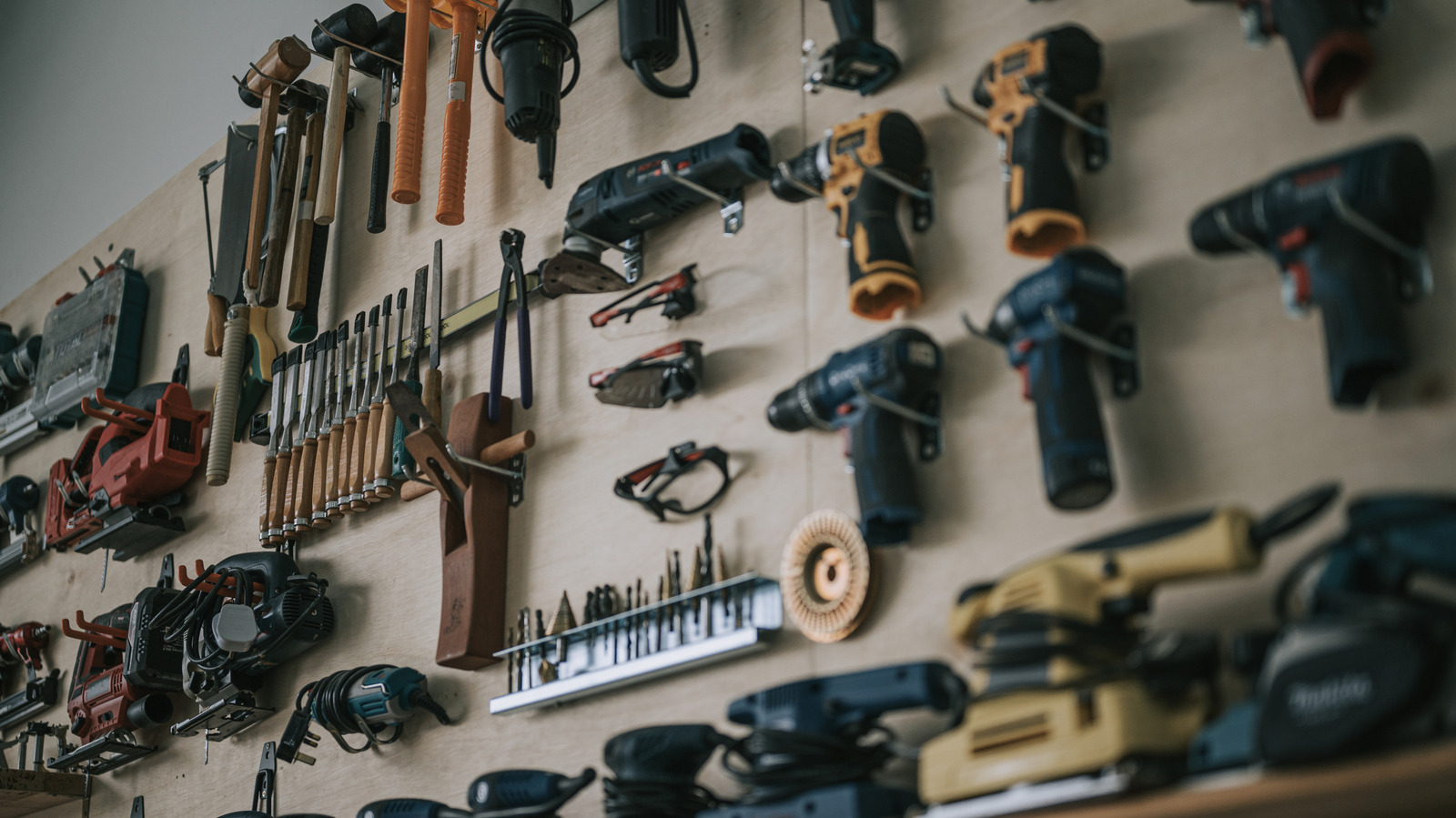
Tool coverage usually falls under inland marine insurance, a line of protection built for property that travels instead of sitting still in one place. That means the focus is on portable equipment such as hand tools, power tools, ladders, and generators. Stationary equipment, like a drill press bolted to the floor, usually belongs under a different kind of policy.
One big advantage is that coverage can follow the tools from job site to truck to storage space. If a sander is stolen from a vehicle or a generator gets damaged while moving between jobs, the policy may step in. The idea is simple: the work doesn’t stop just because the tools are not sitting in a shop.
This kind of insurance is meant for business use, not weekend hobbies. A homeowner policy may help with personal gear, but it typically won’t cover tools used to earn income. That is why many policies show up inside handyman or contractor insurance packages, though standalone options are common too.
Plenty of insurers offer tool coverage, and the best choice depends on the size of the operation. ERGO Next and Thimble often come up for solo workers, while The Hartford, Travelers, and Chubb are better known in larger commercial spaces. Rankings vary, but The Hartford often lands near the top because it offers a useful buffer for newly bought gear before it gets formally added to a policy.
That kind of detail matters because tool policies are not wide open. Annual payout limits often hover around $10,000, and many insurers prefer tools that are less than five years old. Higher-value items, usually above $2,500, often need to be scheduled individually with make, model, and serial number listed.
Cheaper tools are usually grouped together under one shared value, which keeps the paperwork from turning into a mess. Buyers often also choose between actual cash value and replacement cost coverage. One pays based on depreciation, while the other aims to replace the gear with something similar or new.
Cost is another piece of the puzzle, and it is usually not outrageous compared with what the tools are worth. Standard policies often run from about $175 to $450 per year, which can work out to roughly $15 to $38 a month. For anyone carrying a truck full of expensive equipment, that can be a pretty manageable tradeoff.
The most common claim is theft, and vehicles are a major target. Construction equipment theft costs the industry hundreds of millions of dollars each year, and tools are often part of that loss. Most policies want signs of forced entry, so an unlocked vehicle can turn a messy situation into an even bigger headache.
Accidental damage is another frequent reason people file claims. Water leaks, falls, and busted compressors can all do serious harm, but normal wear and tear usually does not count. Mechanical problems are often left to warranties, which is one reason older tools outside warranty protection can look a lot more vulnerable.
The biggest need for tool insurance shows up among people whose income depends on gear that travels with them every day. Electricians, plumbers, carpenters, photographers, lawn care pros, cleaners, and mobile mechanics all face the same basic problem: if the tools disappear or break, the work slows down fast. For that crowd, the right policy is less about fancy language and more about keeping the next job on track.
“`
