
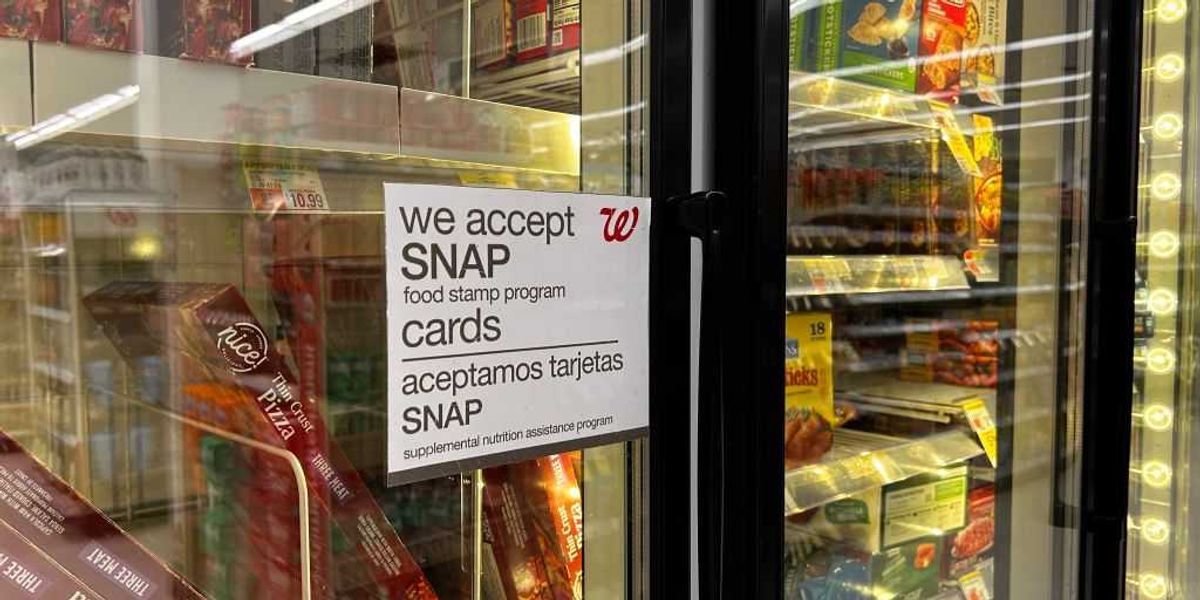
America’s safety net has always carried a big promise, but the louder the government gets, the easier it is to forget what the promise was supposed to protect in the first place. When public aid starts replacing personal responsibility, charity turns into dependency, and dependency starts looking normal. That shift is where the real debate lives, and it cuts straight through the country’s arguments about welfare, fraud, and the role of government itself.
One of the sharpest tensions in American life is the gap between help that lifts people up and systems that quietly keep people stuck. The original idea behind public assistance was never supposed to be endless maintenance, yet that is often how it functions once benefits become routine and accountability gets treated like a nuisance. The result is a culture that can reward neediness while punishing initiative, which is exactly the kind of trap the American founding was designed to avoid.
That tension was built into the nation’s earliest thinking. The founders understood that people need help in hard times, but they also believed free citizens should remain free to act, build, give, and live with dignity. Alexis de Tocqueville saw something similar when he wrote about American habits of local help and voluntary association, and Joseph Story warned in his own way that liberty weakens when government starts absorbing duties that belong to families, neighbors, and communities.
This is where the modern welfare state gets uncomfortable. It does not just provide money or services, it reshapes expectations, and once that happens, public benefits can start feeling less like a temporary bridge and more like an entitlement with no exit ramp. That is a dangerous bargain because it reduces the pressure to work, saves bad policy from scrutiny, and makes it harder for people to recover their footing on their own.
Charity and benefits are not the same thing, even when politicians talk as if they are. Charity comes from obligation, compassion, and human connection, while government programs often come with layers of bureaucracy that strip away personal judgment and moral responsibility. The first can restore dignity, but the second can too easily turn into a system where people are managed instead of helped.
There is also a hard truth about fraud that people pretend not to see. Any program built on large-scale public assistance creates temptation, and where temptation exists, abuse follows if oversight is weak or politically inconvenient. The more money flows through these systems, the more urgent it becomes to ask whether the people who truly need help are being served, or whether the structure is being gamed by those who know how to work it.
That does not mean compassion is a weakness. It means compassion works best when it is paired with standards, limits, and the expectation that people can move forward instead of settling into permanent dependence. A healthy society does not celebrate struggle, but it also does not erase the dignity that comes from self-reliance, family support, and community care.
The Great Society model promised progress, yet its legacy shows how quickly a well-meaning program can harden into a permanent class of recipients. Once that happens, the conversation changes from rescue to management, and the government becomes less like a helper and more like a gatekeeper. That is a bad place for a free people to drift, especially when the habit of personal responsibility is exactly what keeps democracy strong.
Americans still know, deep down, that real help should empower people, not trap them in a loop of dependency. The country works best when public support is narrow, honest, and aimed at recovery, while charity, family, and local institutions do the heavy lifting that no federal program can match. If that balance gets lost, then public assistance stops being a hand up and starts becoming something much harder to escape.
