
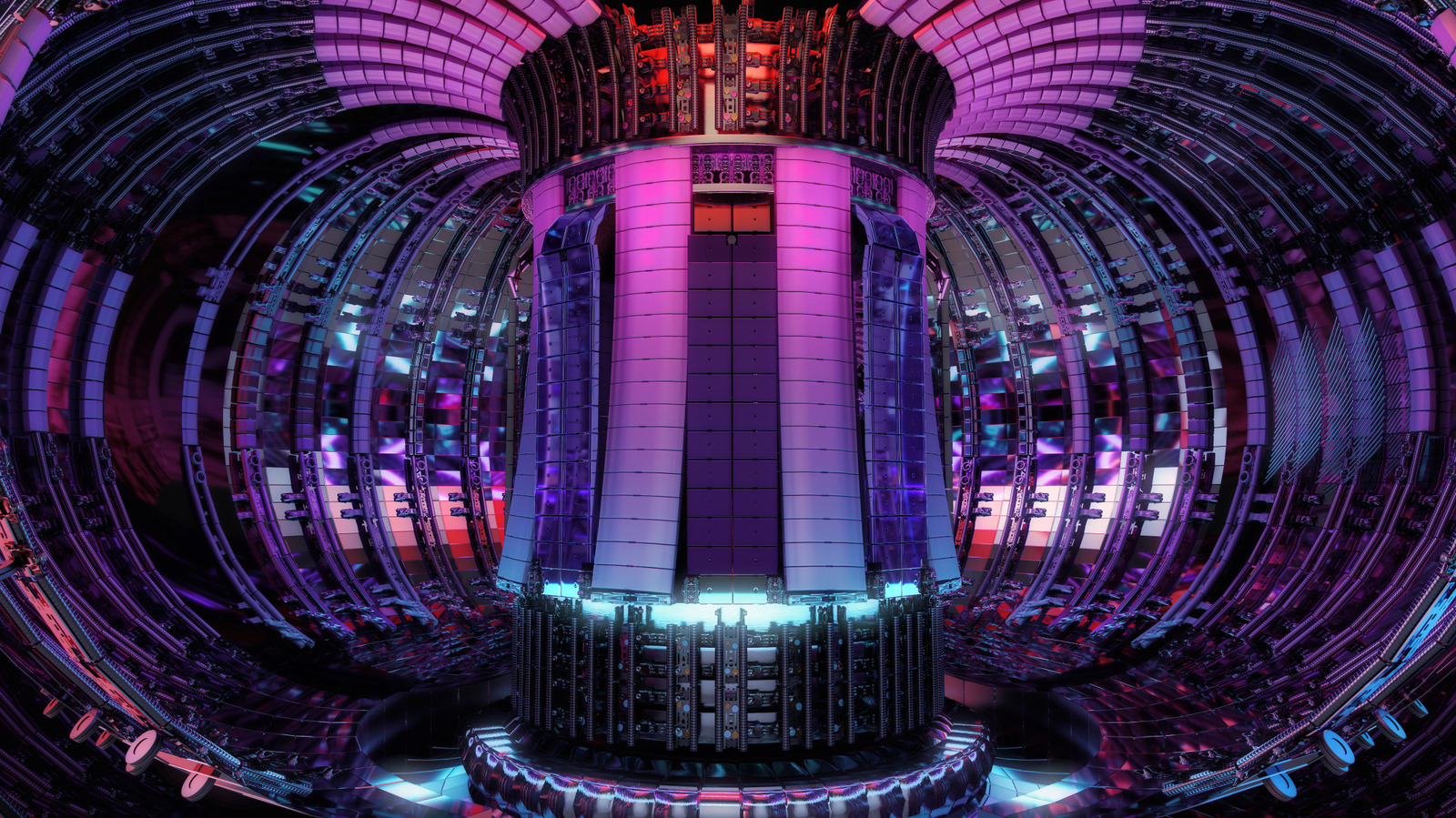
Nuclear reactors do not all run on a neat, fixed expiration date, and that old 40-year number has more to do with business assumptions than with a hard physical cutoff. In the real world, many reactors keep going well past that mark, and what happens next depends on maintenance, regulation, and whether a plant is still worth the investment. The main topic here is simple: reactor lifespans can stretch a lot farther than most people expect, and the end of service is usually a managed process rather than a dramatic shutdown.
The famous 40-year idea started as a rough financial estimate, not a technical verdict. Regulators used it when licensing plants because that was about how long operators were expected to recover construction costs, and people also assumed the technology would be outdated by then anyway. That guess did not age well, because the hardware proved tougher than expected and the industry learned how to keep aging systems running safely.
Today, most American reactors have already received 20-year license extensions from the Nuclear Regulatory Commission. The NRC does not hand those out casually, either, since operators have to show how components are wearing down and how they will manage the aging process. The agency has studied reactor aging for decades and says the wear it sees can be handled with proper oversight and upkeep.
That is why the conversation has moved beyond 60 years and into even longer horizons. The Department of Energy has said there is no technical barrier that forces a reactor off the grid at 80 years, and some researchers are now asking whether 100 years could be possible. That sounds bold, but the logic is plain enough: if a plant is inspected, maintained, and updated carefully, age alone does not automatically make it unsafe.
Still, not every reactor gets the chance to keep aging gracefully. Some units are too old, too costly, or simply no longer worth modernizing, so they shut down instead of earning another extension. A few plants have already secured a second 20-year renewal, but many others are heading toward their limits in the 2030s, where the next big decision will be whether to invest more money or start winding them down.
When a reactor is finally retired, the process is far slower and cleaner than most people picture. First comes fuel removal, then decontamination of the equipment and surfaces that were exposed to radioactive material. The site is not considered done until regulators are satisfied that what remains in the soil and structures is below the legal safety threshold.
There are three broad ways to handle the shutdown. Immediate dismantling starts soon after the plant closes, but the land usually still needs years of work before it can be reused. Safstor, or safe storage, means sealing the plant and watching it for decades while radiation levels drop. Entombment is the most final approach, since leftover material is locked into concrete and left in place.
Each option comes with its own tradeoffs, and the choice often comes down to money, timing, and local conditions. Immediate dismantling gets the mess out of the way, but it is expensive and labor-heavy. Safstor delays the pain and can make cleanup easier later, while entombment is a blunt solution that works best in limited cases and can leave a site looking frozen in time for a very long stretch.
The oldest operating reactors are a reminder that these plants can have surprisingly long lives when the economics and engineering line up. In the United States, the average reactor age is now around 44 years, which puts much of the fleet in that middle stretch where age is a real issue but not a death sentence. Around the world, reactors from the late 1960s are still in the mix, and some have been shut down, refurbished, and brought back online after long pauses.
That mix of upgrades, inspections, and government oversight is what keeps the whole system moving. Nuclear plants do not just run until the clock runs out, and they do not disappear the moment they stop producing power. They age, they get evaluated, and when the time comes, they enter a carefully controlled exit that can last just as long as the operating years that came before it.
