
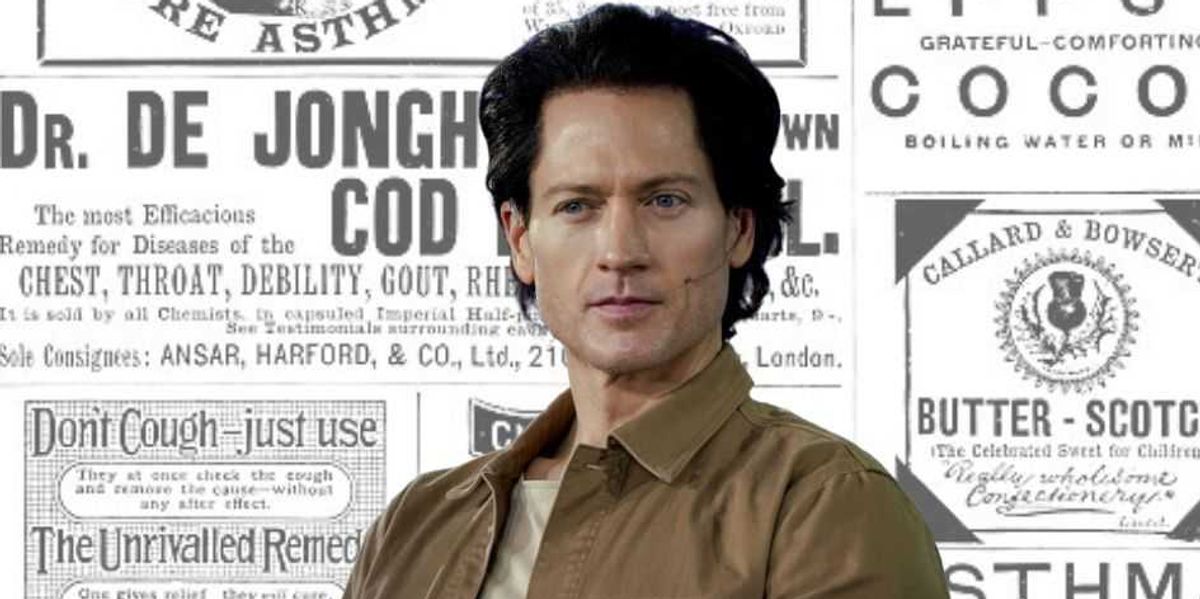
The wellness world loves a quick fix, and that promise has turned pills, powders, and shiny supplement bottles into a booming business. But when every ache, craving, and bad night of sleep gets a new capsule, it is worth asking a blunt question: what actually helps, and what is just expensive placebo theater?
For years, the wellness industry has sold the idea that health can be improved one trendy product at a time. That pitch is seductive because it feels simple, and simple sells. Pop a supplement, sip the drink, follow the viral routine, and suddenly you are supposed to be healthier, sharper, and more energized.
The problem is that real health is usually less glamorous. Good sleep, decent food, movement, and a steady routine do more heavy lifting than most people want to admit. Yet those basics do not come in a flashy jar with a glowing label, which is exactly why they are often ignored.
Supplements are not all useless, of course. Some people genuinely need them because of diet, age, illness, or specific deficiencies. Vitamin D, B12, iron, and omega-3s can matter in the right situations, but that is a very different story from swallowing a cocktail of pills just because a wellness influencer said they changed her life.
That is where common sense gets lost. Too many people assume that if a little is good, more must be better, and that is how they end up overdoing it. Fat-soluble vitamins can build up, some supplements interact with medications, and even natural ingredients can cause trouble when people treat them like candy.
Sleep is a perfect example of how the industry loves to overcomplicate something basic. Instead of fixing the obvious stuff like late-night scrolling, caffeine overload, and inconsistent routines, people buy gummies, sprays, teas, and capsules that promise restful miracles. A solid sleep schedule is not exciting, but it often works better than the latest shelf item.
Nutrition gets the same treatment. Whole foods, enough protein, vegetables, fruit, and hydration do not sound revolutionary, so they rarely trend. Still, they are the backbone of feeling better, and no supplement stack can fully patch over a diet built on processed junk and convenience food.
That is not an attack on wellness itself. Wanting to feel good, avoid illness, and take care of your body is sensible. The issue is when wellness stops being about health and turns into a shopping habit, with fear and hope used to keep the cash register ringing.
There is also a cultural side to this. People are exhausted, stressed, and trying to manage their own lives without much room to spare, so a pill that promises control feels comforting. But comfort is not the same as results, and the market knows exactly how to blur that line.
Better health usually comes from boring discipline, not dramatic reinvention. Get enough sleep, walk more, lift something heavy now and then, eat real food, and pay attention to what your body is telling you. That approach will never go viral the way a miracle supplement does, but it has a much better shot at actually changing how you feel.

1 Comment
Id love to take supplements BUT which ones, & will they work
& OTC from any store & online
SWM 71