
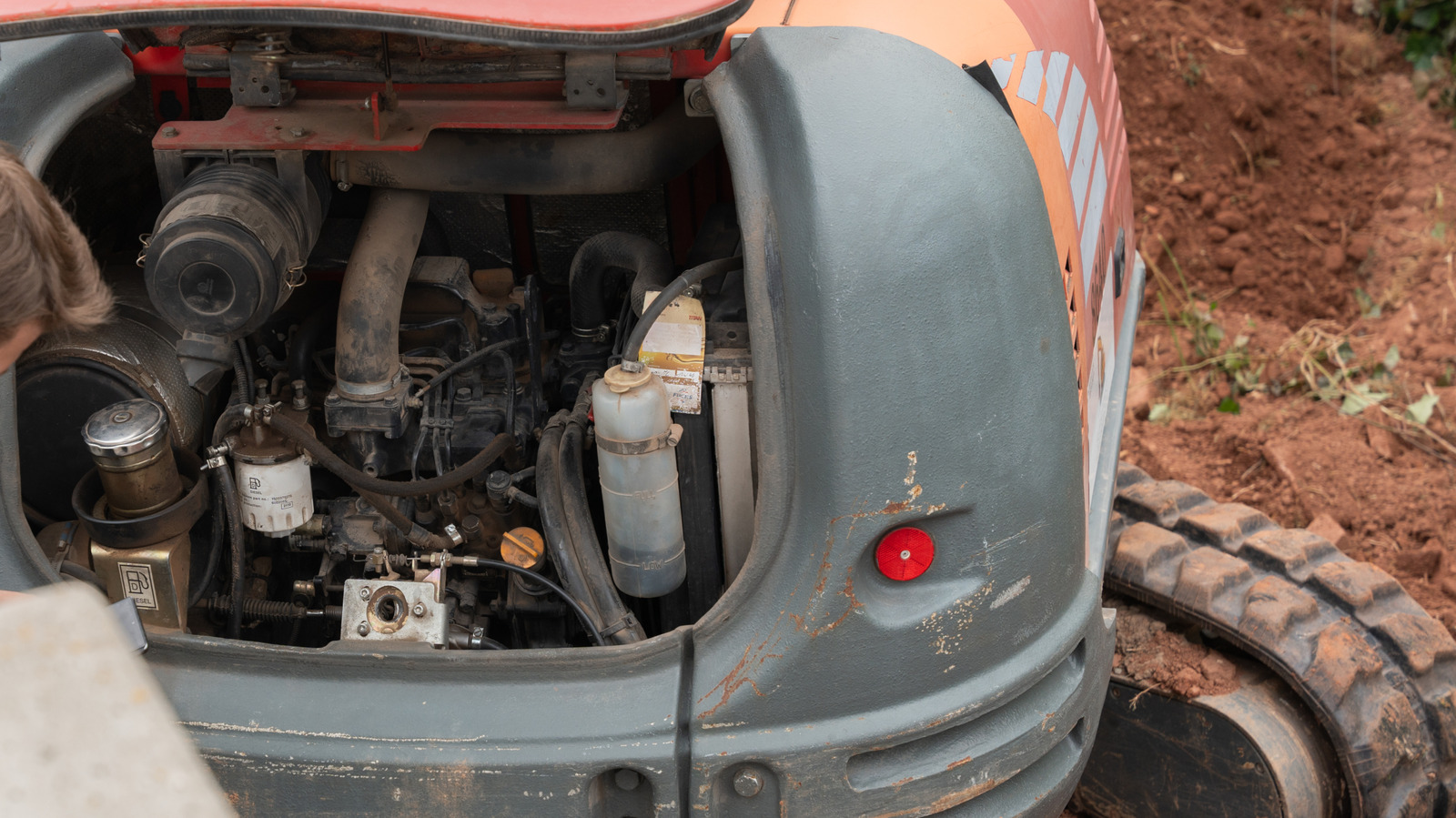
- Explain what Tier 2 and Tier 3 diesel engines are.
- Show how EPA tier rules apply to off-road diesel equipment.
- Compare the emissions changes that made Tier 3 cleaner.
- Describe the role of fuel injection and exhaust gas recirculation.
- Note the limits of Tier 3 and how it sits beside Tier 4.
Diesel engines power a huge chunk of the machines that keep work moving, from construction gear to backup generators, and the clean-air rules for those engines are built around EPA tiers rather than road-use standards. Tier 2 and Tier 3 sit in the middle of that system, but they are not equal twins. Tier 3 is the stricter one, with tighter limits aimed at cutting the dirty stuff that helps form smog.
The EPA’s non-road diesel framework starts at Tier 1 and gets tougher step by step until Tier 4. Tier 2 rolled in during the late 1990s, while Tier 3 followed in the mid-2000s with more demanding emissions targets. The basic idea is simple: the higher the tier, the cleaner the engine has to run, especially when it comes to nitrogen oxides and unburned hydrocarbons.
That matters because those pollutants are a big part of the haze and irritation people associate with diesel exhaust. Tier 3 pushed engine makers to do a better job of burning fuel inside the cylinder, instead of relying on after-treatment hardware mounted farther downstream. For the engines in the middle power range, roughly 75 to 300 horsepower, the Tier 3 rules tightened emissions by about 40% compared with Tier 2.
One of the biggest reasons Tier 3 got cleaner was better fuel delivery. Higher-pressure injection and more precise timing helped diesel burn more completely, which cut down on leftover hydrocarbons and improved overall combustion. In plain terms, the engine had to be a lot more exact about when and how it sprayed fuel.
Tier 3 also leaned more heavily on exhaust gas recirculation, or EGR. That system sends a portion of exhaust back into the cylinders, which lowers combustion temperatures and helps reduce NOx formation. It is a smart workaround, and while it was not mandatory across the board for every Tier 3 engine, the tighter standards made it a much more common choice.
Even with those improvements, Tier 3 was not a full overhaul of every pollutant. Soot, also called particulate matter, and carbon monoxide did not get stricter caps than Tier 2 in the same way NOx and hydrocarbons did. So the big change was focused, not universal.
Tier 3 also had a narrower reach than the broader diesel tier system might suggest. It mainly covered mid-size engines, leaving the smallest and largest non-road diesels outside its scope. That is one reason the standard feels like a bridge rather than a final destination.
By the time Tier 3 was in place, the industry was already moving toward something tougher. Tier 4 brought a much bigger step forward, with cleaner exhaust systems that do more of the heavy lifting after combustion instead of only inside the cylinder. That shift made Tier 2 and Tier 3 look like earlier chapters in the same cleanup story.
Still, Tier 3 mattered because it forced real progress without waiting for the next generation to arrive. It nudged manufacturers toward better injection, smarter combustion, and more frequent use of EGR, all while keeping the focus on the machines that do the grittiest jobs. In the world of off-road diesel, that kind of pressure can change a lot.
