
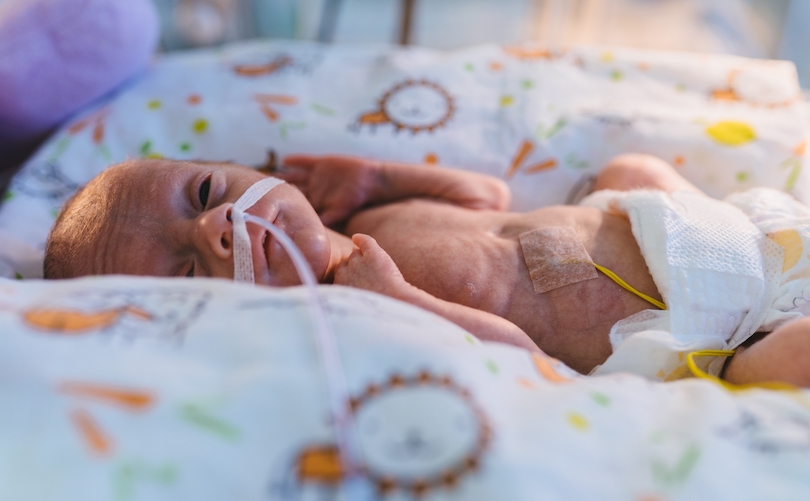
Hospitals in the Netherlands are preparing to extend abortion access from 22 weeks to 24 weeks of pregnancy, a move that has quickly sparked outrage and renewed debate over where medicine ends and ideology begins. The change is being framed as a way to keep women from traveling elsewhere for care, but critics say it pushes the country deeper into late-term abortion on demand at a stage when babies can sometimes survive outside the womb.
The Dutch law already permits abortion up to 24 weeks, which is treated as the cutoff tied to viability. Until now, most hospitals had held the line at 22 weeks, largely because babies at that point can often be kept alive with neonatal care, and the ethical stakes get much harder to ignore.
Now, according to reports in the Dutch press, the Dutch Society of Obstetrics and Gynecology and hospitals have agreed on a new protocol that would allow abortions in the 22 to 24 week window without a medical reason. That means the old informal barrier is gone, and the system is moving toward a broader practice that many people will see as far more aggressive.
What makes the issue so charged is how developed a baby is by that stage. At 22 to 24 weeks, the unborn child is already around 30 centimeters long and weighs roughly 600 grams, with fingerprints, a formed face, and the ability to react to sound, touch, and light.
In modern neonatal units, survival rates for babies born in that range can be surprisingly high, often above 60 percent in developed countries. That reality is exactly why opponents of the policy argue hospitals should be fighting to save life, not ending it, especially when the baby may already have a real chance outside the womb.
Pro-life groups in the Netherlands wasted no time blasting the decision. They say hospitals are supposed to heal, relieve pain, and protect life, not make late-term abortion feel like a routine service tucked into everyday care.
Schreeuw om leven called the expansion a direct clash with the mission of a hospital and said the move is especially troubling because no medical emergency is involved. The group’s criticism centers on the idea that abortion in this setting is not a neutral procedure, but the deliberate ending of a developing human life.
Arthur Alderliesten, who leads the organization, went even further and said the change is unacceptable. “There isn’t even a medical condition involved,” he said. “That is why abortion is not a form of care or a routine medical procedure. It involves the killing of new human life. That is why the step being taken now is wrong. All the more so because there is a high probability that these are viable children, who can therefore continue to live independently outside the womb. The protection of this extremely vulnerable group of tiny human beings is thus fundamentally under threat—and this, of all places, in a hospital.”
He also argued that the policy puts doctors and nurses in a tough moral spot, since many medical professionals will not be comfortable taking part in procedures involving babies that may survive. That tension is likely to grow as the new protocol moves from paper into practice, because a hospital setting can only absorb so much ethical strain before the conflict shows up in the staff itself.
The numbers make the debate even harder to brush aside. In 2024, the Netherlands recorded more than 39,000 abortions, and 331 of them took place between 22 and 24 weeks. Those figures show that late-term abortions are not some tiny side issue, but part of a broader system that is now being stretched a little further.
Supporters of the change say it creates consistency and keeps women from looking abroad for services, but that argument has not quieted the moral backlash. For many critics, the central question is simple, and it keeps coming back with more force every time the limits move: if a baby can breathe, respond, and survive with help, why is the hospital making room for its destruction instead of its protection?

1 Comment
NO