
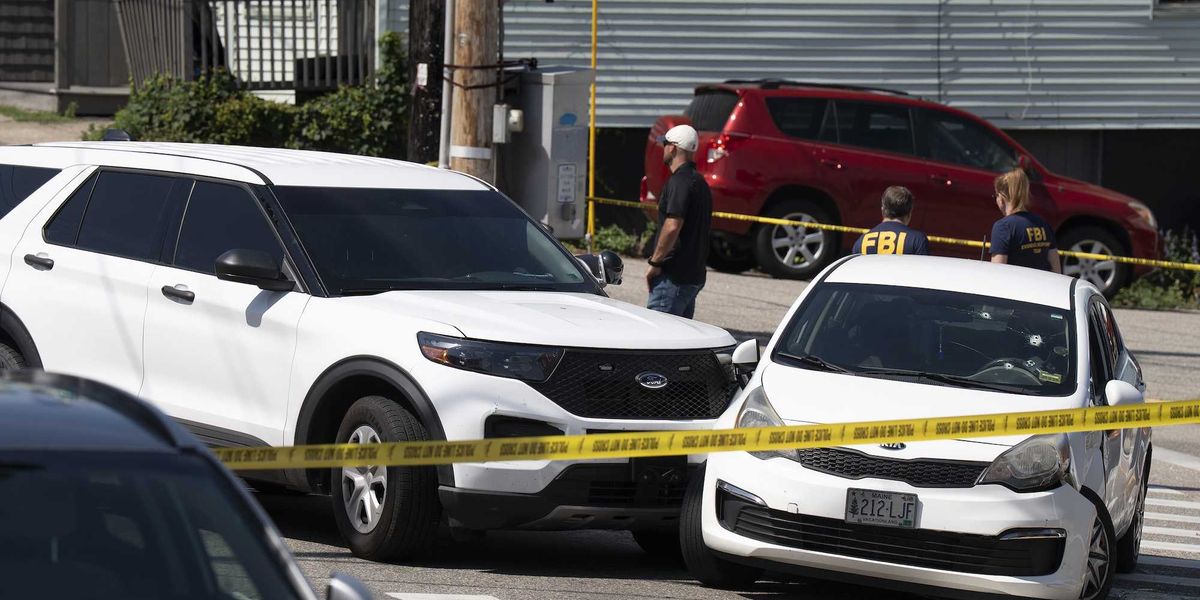
Maine has been thrown into a fresh wave of anger and unrest after another deadly shooting tied to an ICE raid, and the fallout is hitting hard. Protests have broken out with people flooding the streets, voices rising fast, and tensions already high turning even sharper. The story now sits at the center of a broader fight over immigration enforcement, public safety, and the kind of chaos that can explode when those lines collide.
What makes this especially explosive is that the incident did not land in a vacuum. Immigration enforcement has been a pressure point for years, and in moments like this, every move gets interpreted through a political lens. Supporters of tougher enforcement see a dangerous flashpoint that shows how volatile these operations can become, while critics are using the tragedy to hammer federal authorities and demand answers.
The protests themselves have become a major part of the story, not just the shooting. People are angry, worried, and convinced something went badly wrong, and that mix is powerful enough to pull crowds into the streets quickly. When emotions run this hot, even a single event can become a lightning rod for frustration that was already building underneath the surface.
That is exactly what is happening here. The shooting has sparked outrage far beyond the immediate scene, and the response in Maine reflects how deeply immigration fights can divide communities. For many Americans, this is not just about one raid or one confrontation, but about whether law enforcement is being put in impossible situations by a broken system.
There is also a plain fact that keeps getting lost in the shouting: deadly outcomes have real consequences, and people want accountability. If an ICE operation ends in tragedy, the public is going to ask whether procedures were followed, whether the situation was handled with enough caution, and whether the mission itself was worth the risk. Those are not small questions, and they are not going away just because the political noise gets louder.
At the same time, this kind of unrest tends to expose a deeper split in how Americans view immigration enforcement. Some see ICE as a necessary line of defense, especially when the country is dealing with border pressure and public safety concerns. Others view the agency as too aggressive, too opaque, and too willing to put communities on edge in the name of enforcement.
Maine is now stuck right in the middle of that argument. The protests show how quickly a local tragedy can become a national headline, and once that happens, the debate hardens fast. Every side digs in, every statement gets dissected, and the actual facts can get buried under a pile of anger, suspicion, and political messaging.
That is why these moments matter beyond the immediate outrage. A shooting during an ICE raid is not just a tragic incident, it is a stress test for the country’s approach to law and order. If federal agencies want trust, they have to earn it with discipline, transparency, and restraint, because once a community feels like things are spiraling, the damage spreads fast.
