
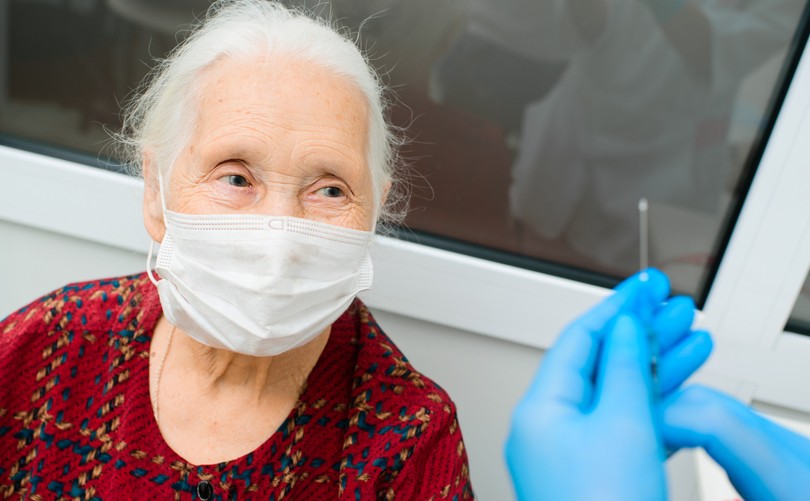
Hundreds of Canadians are stepping forward with painful accounts after Conservative MP Dean Allison launched an inquiry into COVID shot injuries, and the response has clearly struck a nerve. People are describing the kind of fallout that does not fit into a neat talking point, from physical problems to emotional strain, money trouble, and the strain that lingers in family life.
Allison said the reaction to the inquiry has been much bigger than expected. At a July 9 press conference, he said, “Hundreds of Canadians from across the country have reached out to share their experiences,” and he added that many are dealing with “the physical, emotional, financial, and personal challenges they continue to face today.”
That kind of reaction matters because a lot of people feel brushed aside when they talk about what happened after their shots. Allison said he understands that not everyone wants to speak publicly, but he still wants to hear from them, which gives people a way to tell their story without having to put their name in lights.
The inquiry itself was announced in June and is aimed at Canadians who say they suffered injuries or other harms after receiving COVID shots. Allison has said the point is to collect those accounts and make the findings public, so the conversation is not left in the dark or filtered through bureaucratic language.
He also set up the Allison Inquiry website as a place for people to submit their experiences. The idea, as described by the inquiry, is to offer a neutral forum for Canadians to explain what happened to them or to someone close to them after vaccination.
That approach is drawing attention because many people believe the harms connected to the shots were minimized for too long. Allison said the hearings are meant to be broadcast live on September 8, with experts and injured Canadians expected to give testimony, which could bring a lot more visibility to stories that have stayed in the background.
He has been careful to frame the effort as something different from a political food fight. “This is not about relitigating every decision made during the unprecedented public health crisis,” he said, adding, “It’s not about assigning blame. It’s about listening. It’s about learning.”
That message hits a little harder because many Canadians say they still feel like nobody is really hearing them. Allison said he appreciates the pressure healthcare workers carried during the pandemic, but he also pointed out that some people harmed by the shots feel their experiences were not properly acknowledged.
The broader debate has also kept growing around vaccine safety and oversight in Canada. Public Health Agency of Canada data has shown a large number of reported adverse events, and the agency later took over the country’s vaccine injury compensation program, renaming it the Vaccine Impact Assistance Program.
For people dealing with lingering symptoms, the compensation side of this is not a side issue. It is the difference between being stuck with bills and getting some support, and it is one of the reasons the inquiry has become such an emotional release valve for Canadians who say their lives changed after the shots.
There is also a stronger moral edge to the discussion because many families want answers, not slogans. The inquiry is trying to open a space where those voices can be heard in plain language, and that alone is making people step forward who may have stayed silent for years.
Allison said Canadians who want to participate can submit an application form through the inquiry’s site, and that has become an important outlet for people who never expected to be part of something like this. With testimony on the horizon and more stories still coming in, the pressure around these accounts is not fading anytime soon.
