
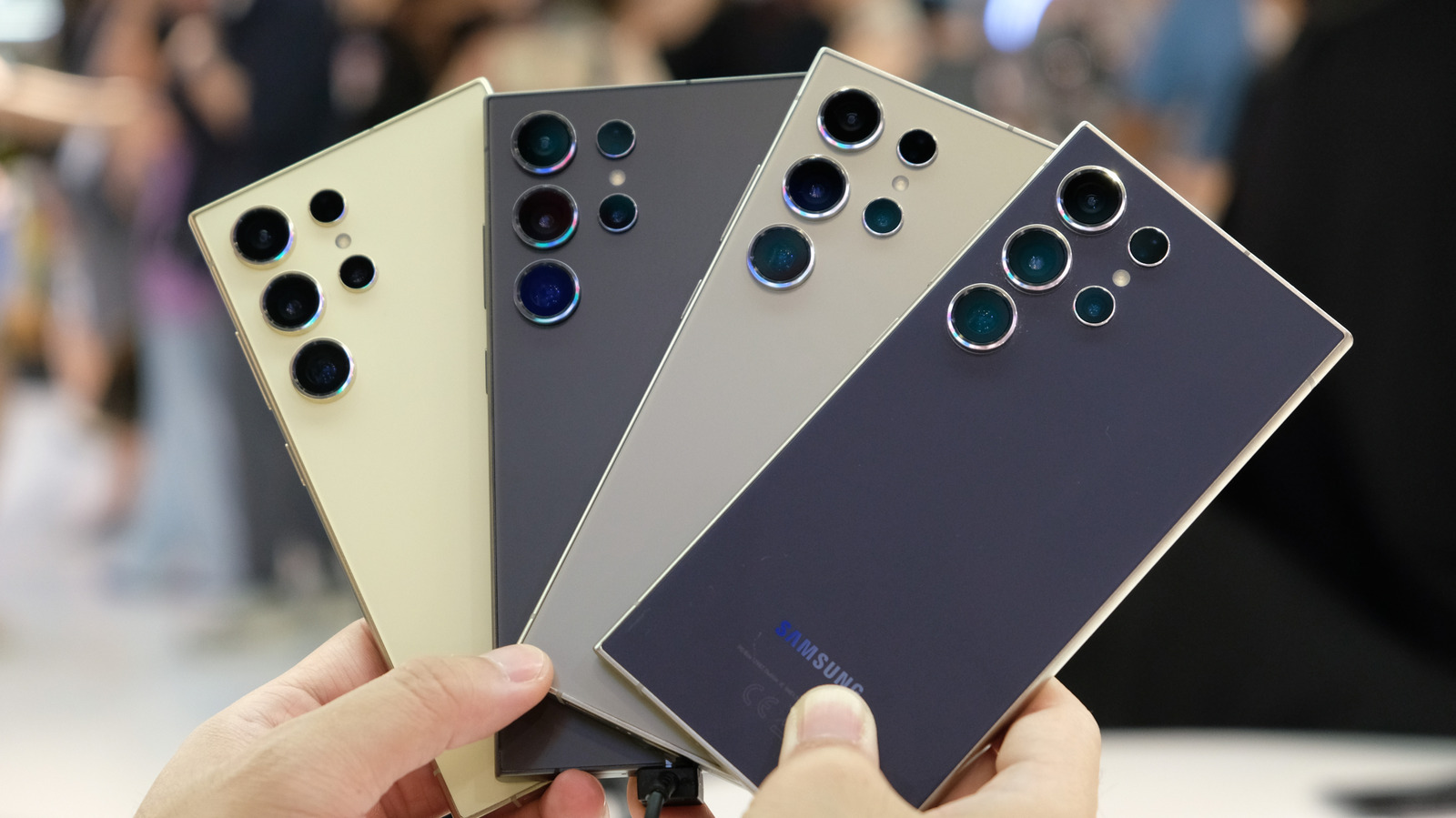
Samsung’s newest flagship swapped the titanium frame used in the previous model for what the company calls “Armor Aluminum”, and this change shifts the conversation from pure materials bragging to real-world trade offs. The move touches design, durability, weight, cost and perception, and it matters whether you treat the phone like a pocket ornament or a daily tool. Here’s a clear look at what the switch really means.
First, understand that “Armor Aluminum” is a marketing name for a tougher aluminum alloy and finish, not a magical new metal. Aluminum frames have been refined for years to increase strength through alloys and heat treatments, and manufacturers often use brand names to highlight incremental changes. The question for buyers is whether those refinements match the benefits buyers expect from titanium.
Titanium is prized because it offers a distinct feel: denser, colder, and immediately recognizable as premium. It resists bending and dents better than many aluminum alloys at comparable thickness, and that gave earlier models a heavier, sturdier presence. Swapping to Armor Aluminum will change that tactile impression, leaning toward a lighter and slightly more familiar handset feel.
From a durability perspective, aluminum can be made very resilient, especially with surface treatments and coatings that improve scratch resistance. Armor Aluminum is likely engineered to reduce common wear like micro-abrasions and scuffs while keeping the frame workable for assembly and repair. Still, titanium will generally outperform aluminum on denting and long-term structural deformation when both are roughly the same thickness.
Weight and thermal behaviour are practical trade offs in this change. Aluminum is lighter and better at letting heat move through the frame, which can help with thermal throttling in sustained workloads. Lighter phones are easier to handle throughout a long day, but some users equate that lighter weight with cheaper construction. The shift signals that Samsung prioritized manageability and thermal design alongside cost.
Cost and supply chain realities almost always shape material choices behind the scenes. Titanium is more expensive to source and harder to machine at the volumes consumer phones require, pushing costs up and complicating manufacturing yields. Armor Aluminum gives Samsung more predictable production and margin control while still offering a premium finish, which matters for competitive pricing and inventory stability.
There are also implications for repairs and accessories. Aluminum frames are generally simpler to repair and match with cases and third-party parts, which keeps after-market options plentiful. Repair shops have decades of experience bending and refinishing aluminum, whereas titanium repair can be more specialized and costly. Consumers who care about long-term repairability will notice this practical benefit.
On the sustainability front, aluminum has advantages in recycling and established circular-economy pathways, though titanium is also recyclable. The energy footprint depends on alloying and processing steps, and marketing labels do not tell the whole story. Buyers interested in environmental impact should look beyond the brand name and ask about sourcing and lifecycle practices.
Perception counts, and the move away from titanium will affect how some buyers view the flagship. For early adopters who equated titanium with top-tier status, Armor Aluminum might feel like a downgrade even if the real-world differences are modest. For most people who prioritize comfort, price and everyday durability, the change may be a neutral or even positive trade off.
Ultimately, the swap to “Armor Aluminum” is a design and supply decision with clear pros and cons: lighter weight and easier production versus the unique heft and dent resistance of titanium. How much that matters depends on how you use your phone and what you value in build materials. Keep the focus on real-world handling and long-term serviceability rather than the marketing label alone.
