
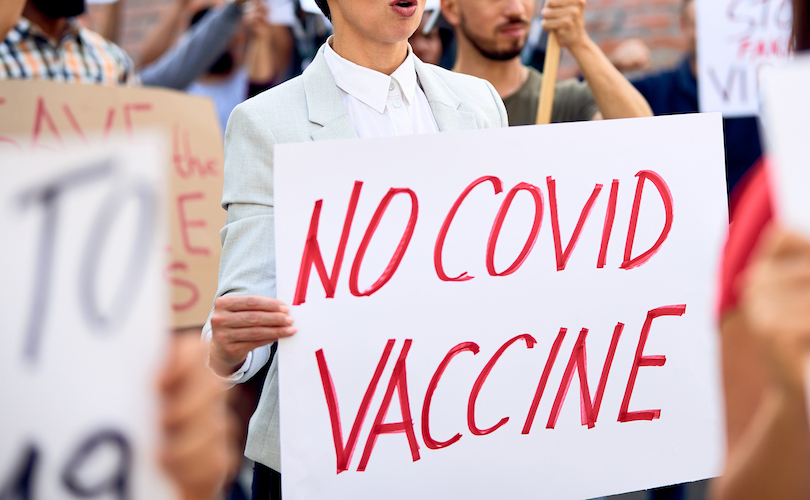
‘The vaccinated and unvaccinated were treated differently’ by medical professionals during the COVID pandemic, says Dr. James Miller. This piece takes that claim seriously and digs into what unequal care looked like, why it mattered, and how it should shape policy and accountability going forward. Expect clear examples, a plainspoken Republican viewpoint on medical fairness and freedom, and a call for standards that protect every patient regardless of vaccine status.
What Dr. Miller described is a blunt charge: patients were triaged and talked about differently based on vaccination records. That kind of behavior cuts the ground out from under trust in medicine, and trust is the most fragile part of public health. Once people think hospitals play politics, they stop seeking help and outcomes suffer.
Doctors and nurses are human, and in a crisis humans can act on frustration or fear. But medicine is supposed to be guided by clinical need and ethical codes, not by blame. When care shifts from need to moral judgment, the entire system bends toward inequality and away from recovery.
We saw policies and private conversations that implied the unvaccinated were somehow less deserving of sympathy. That attitude leaked into decisions big and small, from who got extra attention to how families were spoken to at the bedside. Those micro-decisions matter because they change a patient’s experience and, sometimes, their survival.
On the policy side, hospitals and health systems must have transparent triage guidelines rooted in objective criteria, not a patient’s personal health choices. Republicans often emphasize individual responsibility, but responsibility cannot become a reason to deny fair treatment. A free society needs clear rules that preserve both accountability and equal access to care.
Accountability means independent review of complaints and open reporting when bias appears. If a clinician treats patients differently because of vaccination status, that behavior should trigger investigation and corrective action. Clean records, public standards, and outside oversight help rebuild confidence faster than secrecy or excuses.
The cultural fallout matters too. Families left feeling judged by caregivers carry that trauma forward and tell their communities what happened. That shapes public behavior long after the emergency ends, making future outbreaks harder to manage because people distrust the institutions meant to save them. Restoring credibility is a practical necessity, not just a moral one.
We also have to talk about training and leadership. Frontline staff need clear guidance on de-escalation, on communication that respects choices, and on sticking to clinical indicators when resources get tight. Leaders should model that approach; when hospital bosses talk tough about fairness and then enforce it, the message reaches every shift and every ward.
Legal clarity matters as well. When policies leave room for subjective judgments, bad actors will fill the gap. Legislators should push for statutes and regulations that protect patient dignity and demand transparency in allocation practices. That is how you keep hospitals focused on saving lives instead of scoring political points.
Finally, families want plain answers and honest rules. They do not want to hear moralizing from people who hold the power to admit or discharge their loved ones. If hospitals are going to regain trust, they need to show through action and openness that care will not be rationed by political judgment, and that every patient will be met with the same standard of care.
