
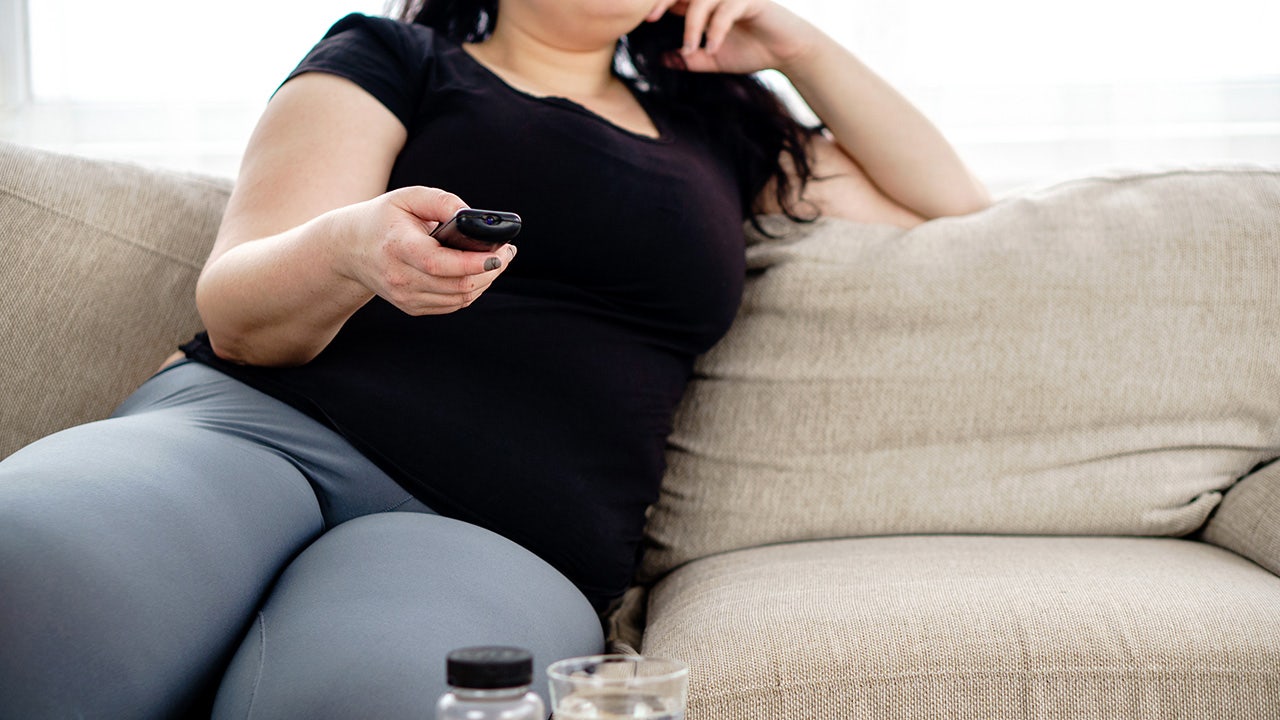
A new observational study links long stretches of sitting to higher cancer mortality and suggests small, frequent movements during the day could cut that risk. Researchers tracked activity in tens of thousands of volunteers, compared uninterrupted sitting to interrupted sitting, and reported clear associations between how people sit and later cancer outcomes.
The Glasgow-led study examined associations between prolonged sedentary behavior and cancer death in a large volunteer group, using wrist-worn trackers to record movement. Researchers followed participants for about a dozen years to see how patterns of sitting related to mortality outcomes.
“This study adds to growing evidence that prolonged sedentary behavior is an independent health risk,” Dr. Georgia Spear, chief of breast imaging at Northwestern Medicine, said. The sentence lands because it pushes the idea that sitting isn’t just harmless downtime; the pattern of sitting matters for long-term health risks.
“While it does not prove that sitting causes cancer, it suggests that long, uninterrupted periods of sitting are associated with a higher risk of cancer mortality,” Spear explained. “The findings reinforce existing public health recommendations that regular movement throughout the day is an important component of cancer prevention.” Those are careful words: observational links, not definitive proof, but actionable guidance for daily life.
Scientists monitored 91,292 volunteers who wore movement trackers on their wrists for seven days to map sedentary habits, then watched health outcomes over roughly 12 years. The sheer size and tracking method give weight to the patterns they observed even if the study design can’t lock down cause and effect.
Researchers defined prolonged sedentary behavior as any bout lasting at least 30 minutes with at least 90% of that time spent inactive. Interrupted sitting meant sessions under 30 minutes or periods that were broken up by even brief bursts of activity, which appears to be the healthier pattern.
Every extra hour per day of prolonged sedentary time was tied to about a 10% higher risk of dying from cancer in follow-up. Swapping one hour of sitting for light activity correlated with a 12% lower risk, replacing 30 minutes with moderate activity linked to an 8% lower risk, and even trading five minutes for vigorous activity was associated with a 22% lower risk.
The study classified light activity as slow walking and household chores like ironing or washing dishes, while moderate and vigorous activities represent progressively greater exertion. Those simple examples make it clear that not every useful movement needs to be a gym session; small shifts in daily habits can add up.
The authors urged caution because the observational design cannot prove causality and the volunteers might not mirror the whole population. The activity record was limited to a single seven-day snapshot and didn’t capture the context of sitting, such as whether people were at work, driving, or watching television, which could affect interpretation.
“What is notable here is the finding that how people sit appears to matter, not just the total amount,” she said. “Breaking up sitting with regular movement may provide measurable health benefits.” That idea—break up long stints of sitting—was echoed in the practical tips researchers and clinicians offered.
“Stand and move every 30 to 60 minutes, take short walking breaks, including after meals, use the stairs, walk during phone calls and incorporate light activity throughout the day,” she recommended. “Combined with regular exercise, maintaining a healthy weight, limiting alcohol, not smoking and staying current with recommended cancer screening, these habits can help reduce the risk of breast cancer and other chronic diseases.”
