
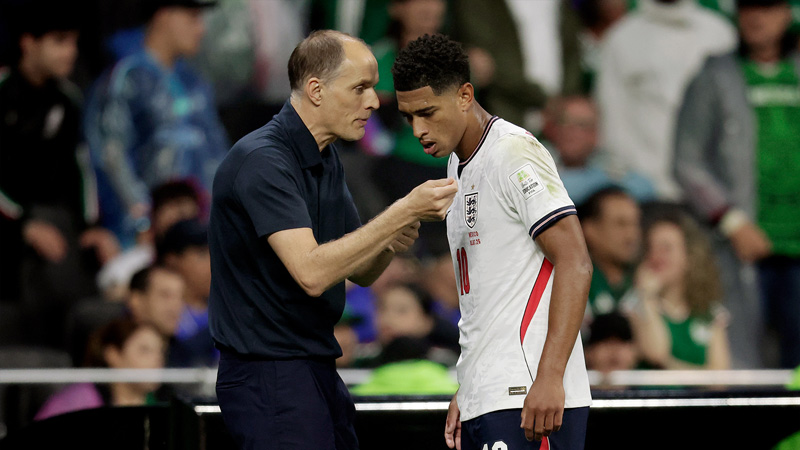
England edged past Norway in a test that stirred headlines, debate and a few raised eyebrows, but the result left more questions about style and temperament than about the scoreboard. Players, pundits and managers parsed decisions, substitutions and intent, each offering a different read on a match that mixed clinical moments with cautious management. The conversation now centers on whether one match reveals trends or simply a snapshot in a long season of club and international juggling.
The game itself felt familiar: a flare of quality, periods of control, and uncomfortable stretches where England looked like a side trying to stitch together rhythm amid heavy rotation. Fans cheered the goals and win, but the feel of the performance mattered to observers who want to see coherence ahead of tougher fixtures. There was also the unavoidable tug between club responsibilities and international roles that colors how players like Jude Bellingham behave on a Saturday and how managers like Thomas Tuchel view those actions on Monday.
“Thomas Tuchel and Jude Bellingham had differing views of England’s win over Norway, but it shouldn’t be a long-term issue.” That sentence landed in headlines because it compresses a larger, ongoing reality: elite football breeds personality clashes and divergent interpretations, yet most resolve quickly when communication happens. Public disagreements can look darker than they are, especially when filtered through media angles that reward drama more than detail.
Bellingham remains one of the global game’s brightest midfield minds, and his influence on England is obvious in how the team shifts and expands its attacking options when he’s on the ball. He carries club form into international fixtures and that creates expectations; teammates and coaches adapt to his style while also asking him to fit into specific tactical plans. When a manager questions a player’s approach, it’s rarely a total rejection and more often part of the negotiation between individual freedom and collective shape.
Tuchel brings a meticulous, detail-first mentality that has served him well in club football, where daily training tightens systems and habits. Translating that to an international context—where time is limited and relationships are freshly stitched—is always a challenge. Managers at national level must balance short-term results, squad harmony and long-term project building, which explains why decisions that look odd on paper often come down to private conversations and care for group dynamics.
From a tactical vantage, the win over Norway highlighted both depth and inconsistency. There were moments of crisp attacking movement and other moments where the team looked tentative, particularly when trying to reset after losing the ball. The balance between pressing intensity and conserving energy is a chess match against opponents who can punish lapses, and national teams have less rehearsal time to perfect these flips between roles.
Looking at the wider picture, matches like this one act as diagnostic tools more than definitive statements. Managers take notes on what worked and what didn’t, while players file away feedback and decide how to respond at their clubs. The importance of communication cannot be overstated; a clear, private conversation can turn a public difference of opinion into a productive adjustment that strengthens both player and team.
Supporters want entertainment and conviction; coaches want control and results; players want space to express themselves while remaining part of a plan. Those interests collide naturally, and they are part of the fabric of modern football. If anything, the Norway match reaffirmed that elite squads are living systems where one game’s headlines rarely predict the arc of a season.
What matters now is the next set of matches and how lessons from this one get applied. Small tweaks, honest conversations and a focus on cohesion will likely quiet the chatter faster than grand gestures or public point-scoring. For fans, the win counts and the debates make the journey richer, but inside the camp it’s the quieter work that will determine whether the noise settles into constructive change or lingers as distraction.
