
The AI world is moving fast: major layoffs and big investments, new tools claiming to automate your work, clever recycling of old devices into mini data centers, and AI showing up in sports, restaurants and housing markets. This roundup walks through Microsoft’s recent cuts, OpenAI’s enterprise push, Google’s phone-to-cloud experiments, and a string of smaller but telling developments across security, utilities and chipmaking. Read on for a tight, plainspoken tour of how AI is reshaping companies, jobs and everyday tech.
Welcome to Fox News’ Artificial Intelligence newsletter with the latest AI technology advancements. The landscape is messy and exciting at the same time, with companies reorganizing around AI and workers asking what comes next. That tension shows up in boardrooms, drive-thrus, stadiums and city neighborhoods.
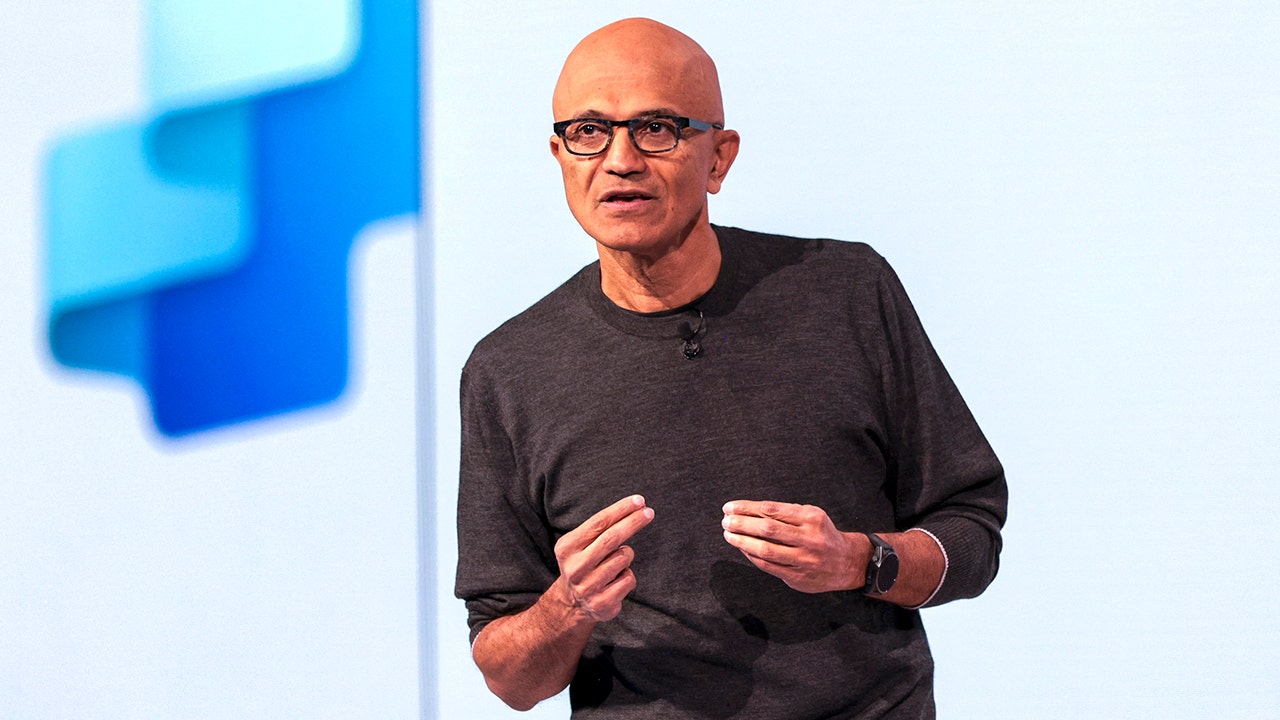
Microsoft announced a large reduction in staff, trimming roughly 4,800 positions as it pivots resources toward AI research and long-term projects. The company frames the change as a strategic realignment, but workers and observers are watching closely to see how automation and AI investments will shape future roles. This move is one sign of how quickly priorities in tech firms can shift.
OpenAI rolled out ChatGPT Work, an enterprise version of its chatbot aimed at automating routine office tasks across files and apps. The new product promises to streamline workflows, pull together information and free people from repetitive work, but it also raises questions about which jobs will change and how companies manage that change. Businesses eager for efficiency see a clear upside, while managers wrestle with integration and oversight.
Researchers and engineers at Google and elsewhere are experimenting with repurposing old smartphones as tiny edge servers, breathing new life into devices that otherwise gather dust. The idea is to tap leftover processing power for distributed cloud tasks, creating an inexpensive, greener way to expand compute capacity. It’s a clever approach that hints at more sustainable models for computing infrastructure.
AI is popping up in sports tech too, shaping fan experiences and game-day operations. During a tense World Cup match, AI-driven tools and analytics helped process replays and improve broadcast storytelling, even as brilliant human plays, like a stoppage-time header that decided the game, remain the real spectacle. Technology is enhancing the moment, not replacing the drama on the field.
Fast food chains are testing voice and automation systems at drive-thrus to speed up orders and cut mistakes, with AI voice partners handling more customer interactions. Customers may notice faster service, but employees face a changing frontline where technology handles parts of the ordering process. It’s a small slice of a bigger shift toward automating routine customer tasks.
The AI boom is also reshaping real estate in some tech hubs, stoking bidding wars for homes near talent and data centers. Wealth tied to AI startups and established companies has pushed prices up in certain neighborhoods, creating a tight market for luxury listings. That pressure filters through communities and highlights how tech-driven wealth can change local economies fast.
Regulators in some states are updating rules to balance grid needs as data centers and large energy users demand more electricity. New policies aim to spread costs more fairly among users while encouraging efficient energy use, but operators of big facilities say higher rates could alter expansion plans. Those debates underscore the infrastructure side of the AI surge.
Security patches are back in the spotlight after a recent update underlined how quickly attackers can exploit holes in popular devices and services. Companies are urging users to install fixes promptly, and the patch cycle is becoming a routine part of staying safe in an AI-enhanced world. Ignoring updates is no longer a small convenience; it can be a real risk.
Data suggests workers who embrace AI tools may be more insulated from layoffs than those who avoid them, pushing training and adoption to the top of many corporate to-do lists. That makes sense: firms reward productivity and adaptability, so workers who learn to use AI effectively can strengthen their standing. At the same time, companies need to invest in retraining to avoid leaving people behind.
Chipmakers are responding to surging demand for memory and compute with huge investments, and one major firm announced plans to pour hundreds of billions into U.S. facilities. Those commitments aim to boost domestic manufacturing and anchor supply chains, reflecting how critical chips are to the AI economy. The scale of investment shows how AI is reshaping industrial policy as well as tech strategy.
Facebook, Instagram, YouTube, LinkedIn, Fox News First, Fox News Opinion, Fox News Lifestyle, Fox News Health, Fox Business, Fox Weather, Fox Sports, Tubi, Fox News Go, Fox Nation
