
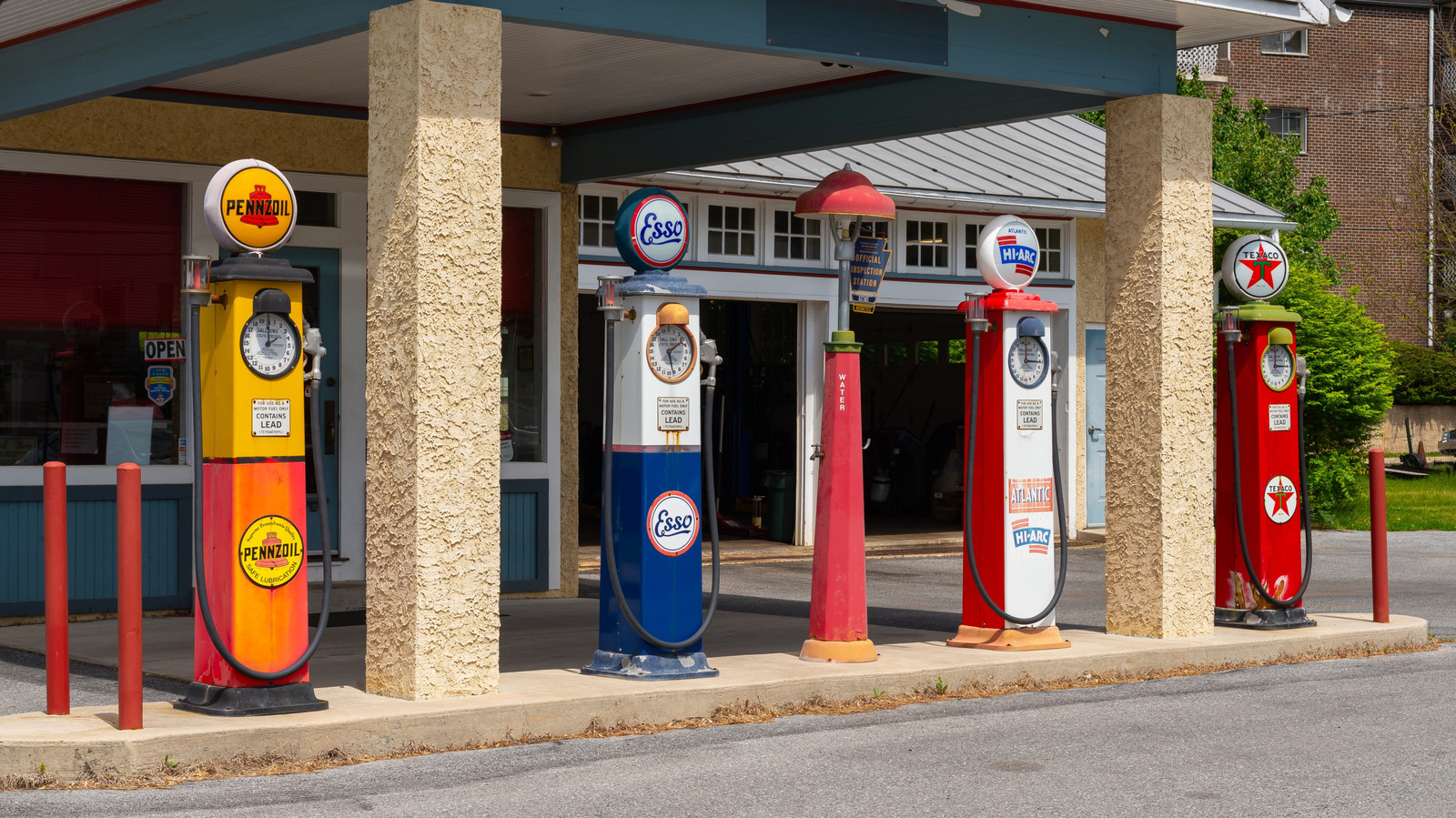
I’ll walk you through why vintage gas pumps command big money, what buyers pay attention to, where to find authentic pieces, how restoration changes value, and practical tips for moving and storing these heavy collectibles.
Old gas pumps carry a weird kind of Americana that collectors eat up, so it is no surprise that some units fetch thousands at auction. Many people see them as roadside relics that capture a brand, an era, and a moment in design history. Prices climb when nostalgia meets rarity and solid condition.
Several clear factors drive value: maker, age, original paint, porcelain panels, and the presence of a glass globe or emblems. Pumps from well-known brands or limited production runs are the most desirable, and intact glass or porcelain can be worth as much as the pump itself. Even the smallest original badge or a factory decal can swing a sale price significantly upward.
Condition matters but so does story. A pump with original paint and honest patina appeals to purists, while professionally restored examples can attract buyers who want a showroom piece. Restoration costs add up fast; expect metalwork, paint, new seals, and sometimes rebuilt motors, which all factor into the final price a buyer is willing to pay.
Finding these pumps happens in predictable places: estate sales, classic car auctions, flea markets, and specialty dealers who trade in automobilia. Online listings make sourcing easier, but remote photos can hide damage and mismatched parts. If you are serious, inspect in person or hire someone local to verify condition before committing.
Authenticity checks are essential because reproductions and cobbled-together rebuilds show up regularly. Look for serial numbers, factory stampings, and consistent wear patterns that match the era. Be suspicious of fresh hardware on an obviously aged shell, and learn the visual cues that separate genuine badges and glass globes from cheap copies.
Moving and storing a gas pump is a logistical challenge many newcomers underestimate. These objects are heavy, awkward, and sometimes still contain residue from old fuel lines, which can create fire and environmental risks. Plan for proper draining, padding, and crating, and check local rules about storing decommissioned fuel equipment; insurance and a reputable transporter are worth the cost.
When negotiating, build your budget to include purchase price, inspection, transport, and any restoration the pump needs. Ask clear questions about originality and ask to see close-up photos of emblems, glass, and internal parts. If you want investment potential, aim for pieces with documented provenance or factory parts, and be ready to walk away when the math doesn’t add up.
