
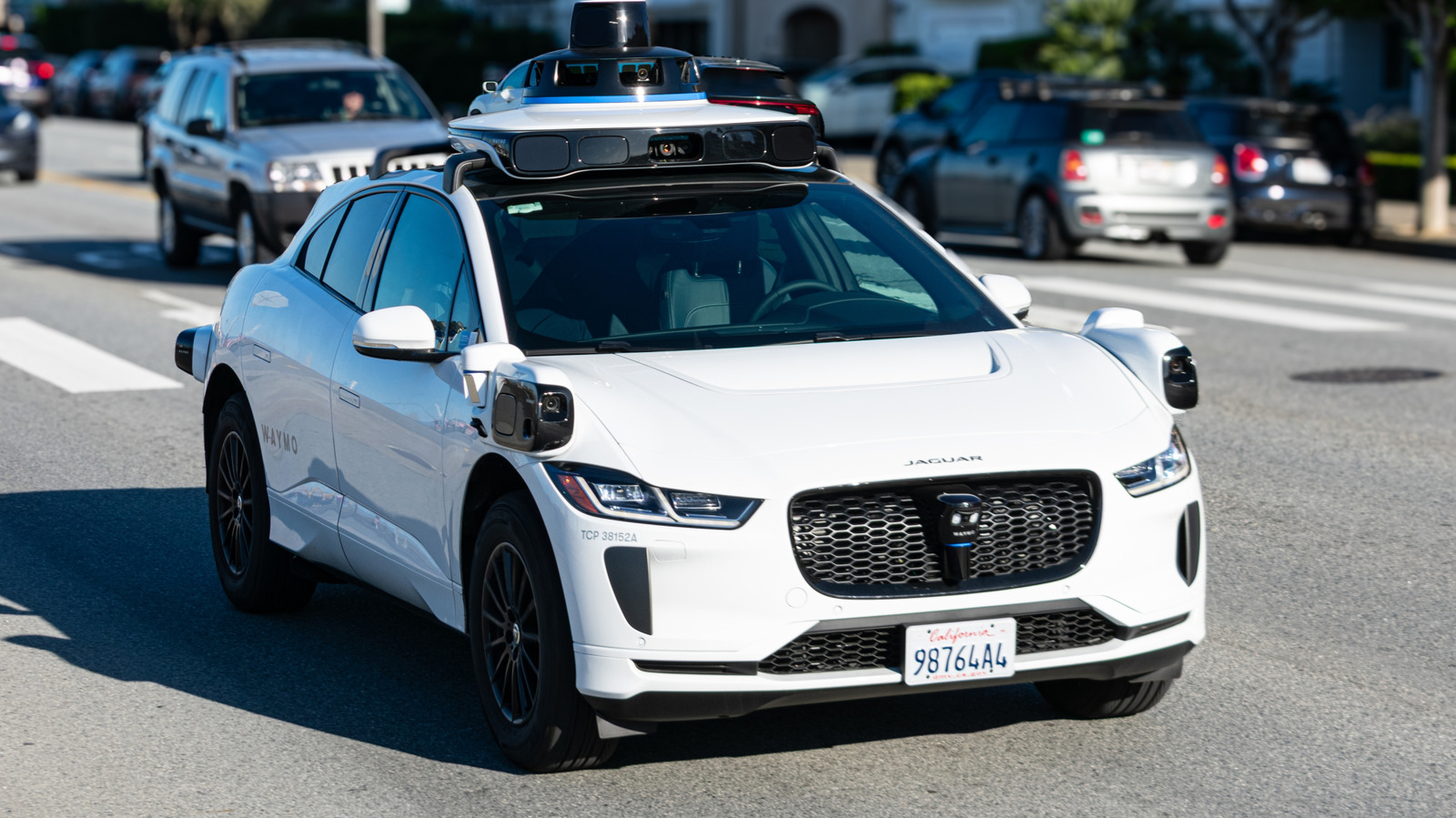
Being trapped in a Waymo during 4th of July gridlock is a weird mix of modern convenience and old-fashioned frustration. This piece looks at what goes wrong when autonomous tech meets holiday traffic, how riders react, what the tech can and cannot do, and what companies and regulators might learn from a string of stuck-vehicle stories. The goal is to give a clear, grounded picture of the experience and the practical fixes that could make future holidays less of a test for both humans and machines.
The moment you realize you are not moving, the novelty of riding in a robot car fades fast. What starts as a quiet curiosity about hands-off driving becomes a small panic about time, temperature, and plans going south. Passengers expect a level of problem-solving from an autonomous system that, right now, still relies on predefined rules and remote help rather than improvisation under stress.
Waymo and similar services are designed around predictable urban flows, but holiday gridlock is the opposite of predictable. Congestion patterns get weird, with sudden standstills, emergency vehicles weaving, and crowds that confuse sensors and routing logic. When a vehicle is programmed to prioritize safety and obey rules, it sometimes errs on the side of stopping and waiting, which is the last thing riders want at a family barbecue.
Comfort becomes a serious factor when you are sitting for an hour instead of being driven. No matter how advanced the nav system, cabin climate control, infotainment, and communication are what riders notice first. If the car can’t offer timely status updates or a way to contact support quickly, frustration compounds into distrust, and that’s bad for an industry built on people’s willingness to hand over control.
Remote operators and fallback systems are supposed to bridge gaps when the car is stuck, but latency and policy limits can hamstring them. Lawmakers and companies have leaned into conservative safety measures that sometimes prevent operators from taking decisive, human-like actions. The result is well-meaning caution that leaves the passenger experience hollow and the car sitting idle while people fume outside their screens.
Technology improvements will help, but the human side matters just as much. Better in-ride communication, clearer expectations at booking, and automatic rerouting strategies that account for holiday anomalies would make a big difference. Companies that treat stranded riders like customers in need of immediate assistance, rather than cases to log and close, will build more trust faster.
Policy adjustments could nudge the industry in the right direction without compromising safety. Allowing remote operators more flexibility in certain controlled scenarios, paired with robust oversight and transparent logs, would let machines lean on humans when rules-based logic fails. Regulators should aim for practical solutions that reduce harm and improve reliability while keeping public safety front and center.
There is also a cultural piece: passengers need to understand the limits of current autonomous tech. Marketing that promises seamless, stress-free travel on day one sets unrealistic expectations and makes holiday snags feel like betrayal. Honest communication about what the system does well and where it still needs human backup will make those inevitable rough rides easier to swallow.
At the end of the day, being stuck in gridlock inside a Waymo is an early-adopter headache wrapped in technological promise. The fix lies in better product design, smarter remote support, and sensible regulation that balances caution with responsiveness. If companies learn from these holiday hiccups and invest in the right human-machine mix, future 4th of July drives might be memorable for fireworks rather than frustration.
