
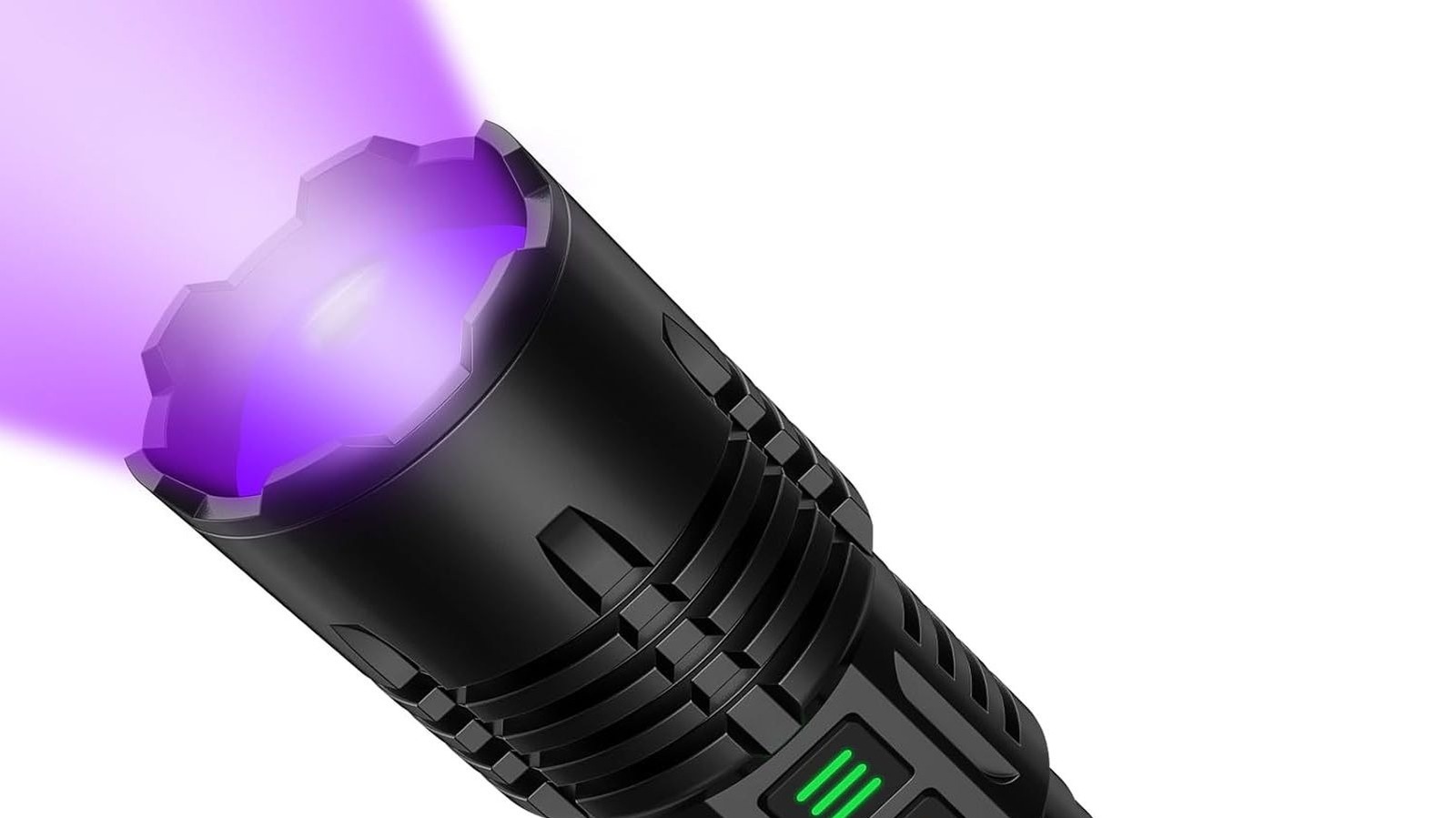
If you pause at the shelf wondering whether to grab a “UV light” or a “black light,” this piece clears it up. I unpack what those labels actually mean, how the tech and wavelengths differ, what people use them for, and the safety and performance points that matter when you pick one. Expect practical tips so you buy the right tool and avoid the common mistakes.
Labels can be misleading, so start with the basics: “UV light” is a broad term that covers ultraviolet radiation across several bands, while “black light” usually refers to devices that emit long-wave UVA near the visible violet range. A black light is designed to make certain materials fluoresce, showing brilliant colors you wouldn’t see under normal light. Knowing that helps you match the tool to the job instead of chasing marketing jargon.
The spectrum matters. UV is split into UVA, UVB, and UVC, each with different effects and uses. Most consumer “black lights” and UV flashlights put out UVA, which excites fluorescent dyes and minerals, while UVC is the high-energy band used for germicidal purposes but is rare and dangerous in handheld devices.
Technology has shifted from fluorescent tubes to LEDs, and that changes what you get in your hand. LED UV flashlights tend to be compact, durable, and battery powered, but their peak wavelength and intensity vary a lot. Tubes and larger lamps can give broader coverage and a steadier output, so they still show up in labs, clubs, and inspection work.
Practical performance comes down to two numbers: wavelength and irradiance. Wavelength tells you whether the light is UVA, UVB, or UVC, and irradiance tells you how strong it is at a distance. A labeled wavelength around 365 to 395 nanometers is common for black light effects; if a seller omits wavelength and only says UV, assume you need more digging.
What you can do with these lights depends on the output. Black lights and UVA flashlights are great for spotting fluorescent stains, checking banknotes, finding scorpions, or revealing mineral colors. They are not reliable for sterilizing surfaces; that requires UVC at specific doses, and consumer devices rarely deliver safe, certified germicidal treatment.
Safety is practical, not paranoid. UVA can still affect eyes and skin with prolonged exposure, so avoid staring into the beam and use protective eyewear if you work close up. UVC is more dangerous and should never be encountered without proper shielding and training, so be skeptical of cheap products claiming germ-killing power unless they list verified UVC output and safety features.
When choosing, inspect specifications not packaging photos. Look for a stated wavelength, output power or milliwatt rating, and whether the emitter is an LED or a fluorescent tube. Think about range, beam shape, battery life, and the kinds of materials you want to reveal, then match the tool to that need rather than the flashiest case design.
Common myths trip buyers up: a purple glow does not guarantee UV strength, and higher battery voltage does not equal better fluorescence. Trust measured specs and real-world tests, like checking known fluorescent materials under the light before committing. With the right wavelength and safe habits, a UV flashlight or a black light becomes a handy, specific tool rather than a gimmick.
