
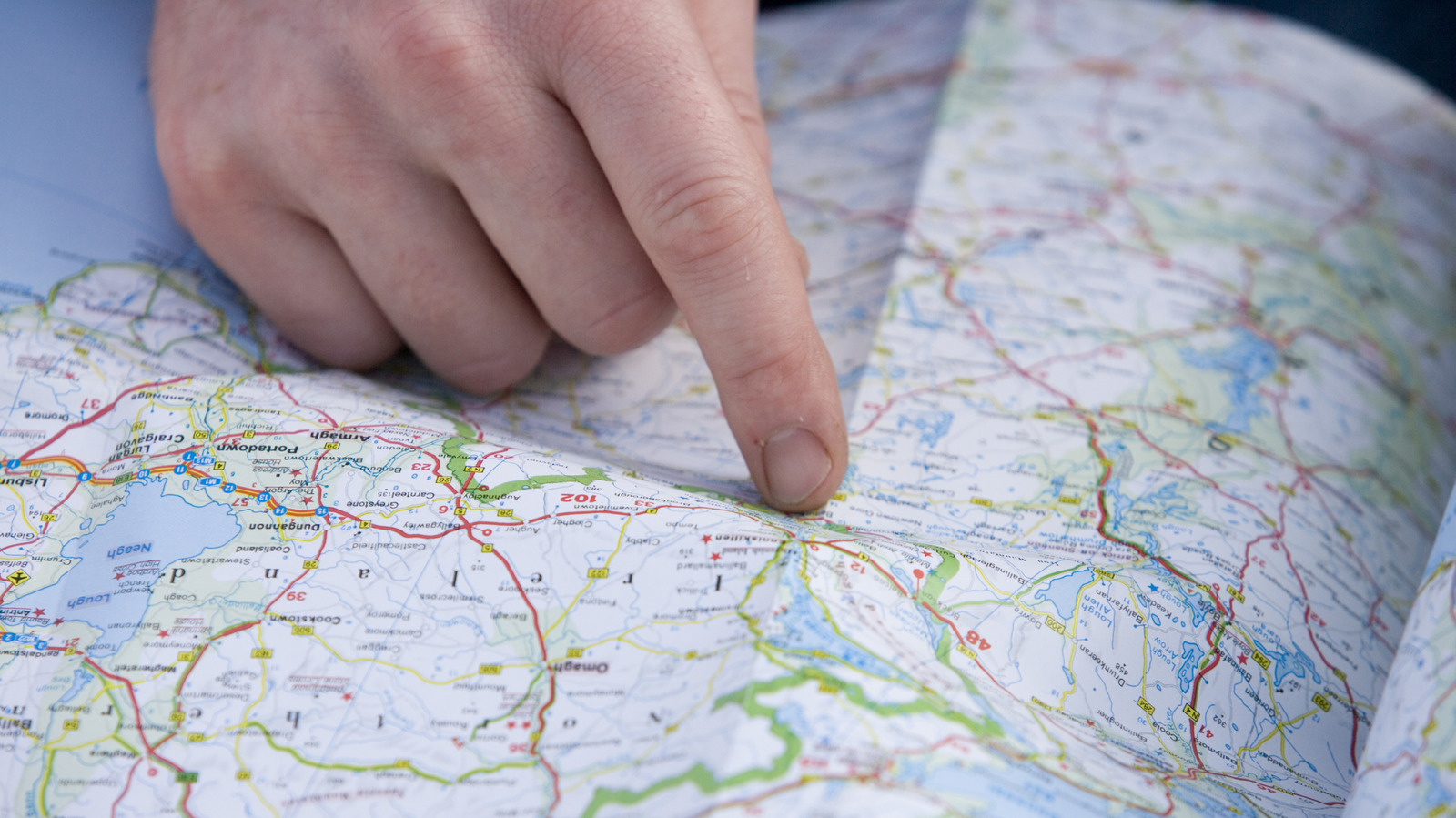
Paper maps are quietly coming back into style, and this piece explains why the folded atlas is grabbing attention again. We’ll look at the tactile appeal, practical advantages, privacy benefits, and the cultural reasons driving the comeback. Expect clear examples of where a paper map still beats a screen and why people are swapping pixels for paper in homes, classrooms, and backpacks.
There’s something about paper that a bright screen can’t copy. Unfolding a map feels deliberate and slow in a good way, and that physical interaction helps people remember routes and places better than tapping a phone. For many, the simple act of tracing a finger along printed roads turns travel planning into a small ritual worth preserving.
Reliability is the practical reason so many are holding on to atlases and topo maps. Paper doesn’t need a signal or a charged battery, and it won’t vanish if your phone freezes or you drop it in water. That dependability matters on long road trips, in rural areas, or when services are unreliable, and it’s one reason outdoor enthusiasts still stash maps in their packs.
Privacy is another solid sell for paper. Digital navigation often shares location data with apps and platforms, which creates a trail that many people don’t want to leave. With a paper map you get full control over what you know and what you show others, and that simplicity is appealing in an era of constant tracking.
Maps are also having a moment as decor and conversation starters. Framed city grids, vintage atlases on coffee tables, and oversized wall maps add personality to a room while doubling as reference tools. Designers and homeowners like how maps look and how they invite stories, and that visual value fuels demand from people who want something both useful and beautiful.
In classrooms, paper maps keep teaching geography hands-on and instinctive. Students learn scale, orientation, and spatial reasoning by working with a physical map, and those skills don’t come through autopilot directions. Teachers report that handling charts and tracing routes builds a deeper mental map of places than relying solely on digital tools.
Craft and collectible value matters too. Modern cartographers mix precise data with striking design, and limited-edition prints or hand-illustrated maps become items people collect and gift. That appreciation for the mapmaker’s craft gives printed maps a niche that feels intentional instead of disposable.
For hikers, sailors, and emergency planners, paper maps are still essential gear. When conditions are rough or technology fails, topo sheets and nautical charts provide unbroken context that a small screen can’t match. People who prepare for the unexpected know it’s smart to pair digital apps with trusted paper backups.
So while screens will stay useful, paper maps are carving out a clear role that blends function, privacy, and design. They prompt curiosity, reward patience, and ask you to look up and around instead of just ahead at a glowing rectangle. If you love maps, or just like being ready, the folded atlas might be worth a place on your shelf and in your pack.
