
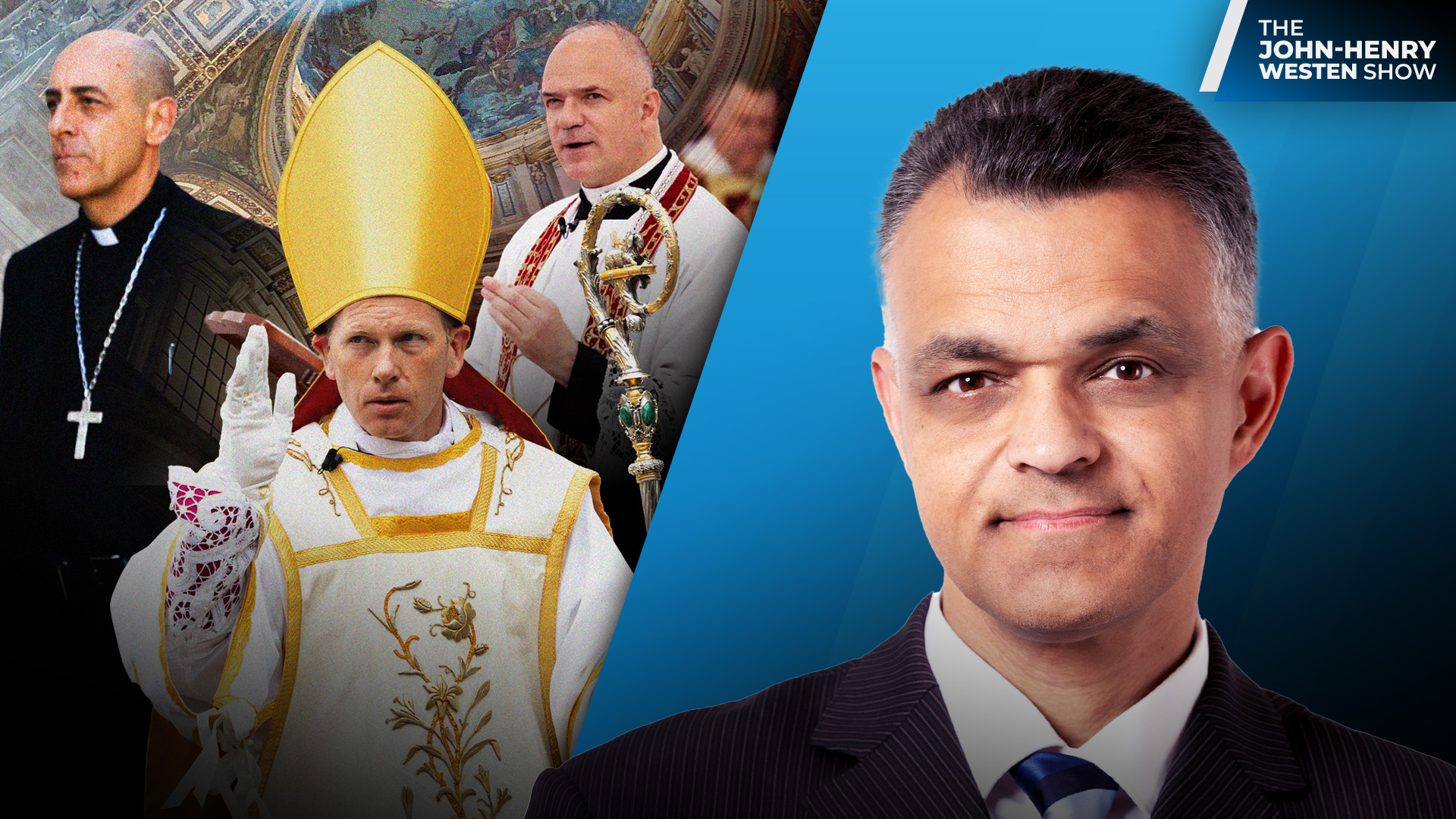
This piece reports on a week in Écône, Switzerland, where bishops were consecrated despite a Vatican declaration of excommunications, thousands of pilgrims weathered a storm to pray the Rosary, and the traditional liturgy and life of the Society of Saint Pius X were on full display, raising urgent questions about how to move forward within the wider Church.
The Vatican issued declarations of excommunication, and yet the consecrations went ahead, an act that immediately set the scene for a charged and historically loaded encounter. Observers arrived expecting tension, and what they found was a congregation determined to express its identity through ritual and presence. That willingness to act, even in the face of canonical penalties, framed the week as a test of loyalties and priorities.
On the day the rain came, more than 16,000 faithful knelt together in a thunderstorm and prayed the Rosary, an image that became the story’s most repeated scene. It was striking not just for the numbers but for the focus: people stood soaked, silent between the strikes of lightning, more intent on devotion than on comfort. That tableau offered a potent visual argument for the depth of attachment many felt to the traditional forms on display.
The ancient rites themselves drew a lot of attention, not as museum pieces but as living prayer. The traditional liturgy unfolded with a level of ceremony and attention to detail that some describe as beautiful and others call archaic, but nearly everyone agreed it felt purposeful. For many pilgrims, that sense of purpose translated into a clarity about what they believe worship should look and feel like.
Clergy of the Society displayed both sacrifice and a kind of jubilation that surprised some reporters; there was a paradox in the mood, part austerity and part celebration. Priests moved through the liturgical choreography with calm authority and faces marked by resolve, while the community around them cheered and wept in turns. That combination of gravity and joy helped explain why so many were willing to travel from far away and endure hardship to be present.
The gathering also exposed a deeper question about the relationship between Rome and traditionalist groups: how can unity be pursued without erasing what people see as the heart of their practice? Negotiations and doctrinal discussions will continue, but scenes from Écône made clear that any path forward cannot ignore the pastoral realities on the ground. These are not abstract disputes for most of the people involved; they are about how faith is lived and transmitted.
There are practical ripple effects to consider beyond canonical status, including ministerial access, sacramental care, and formation of clergy and laity. Parishes and dioceses elsewhere watch closely, trying to read what this moment means for local pastoral work and for Catholics who feel drawn to older liturgical forms. The choices made now could shape liturgical options and pastoral sensibilities for years to come.
Questions of authority and continuity came into sharper relief as people reflected on the rites and the response from Rome. Some argue that preserving what has long worked for a segment of the faithful serves the Church’s mission by keeping tradition alive. Others insist that unity requires clearly defined boundaries, and that actions like the consecrations demand firm and public responses to maintain ecclesial order.
The images from Écône will linger: soaked pilgrims on their knees, priests carrying out rites with confidence, and a community that felt both tested and alive. Those pictures do not resolve doctrinal disputes or settle canonical questions, but they do underscore that faith for many is an embodied, communal thing built around concrete practices. The week left an unmistakable message that any future steps will have to reckon with both the pastoral devotion witnessed there and the institutional considerations facing the wider Church.
