
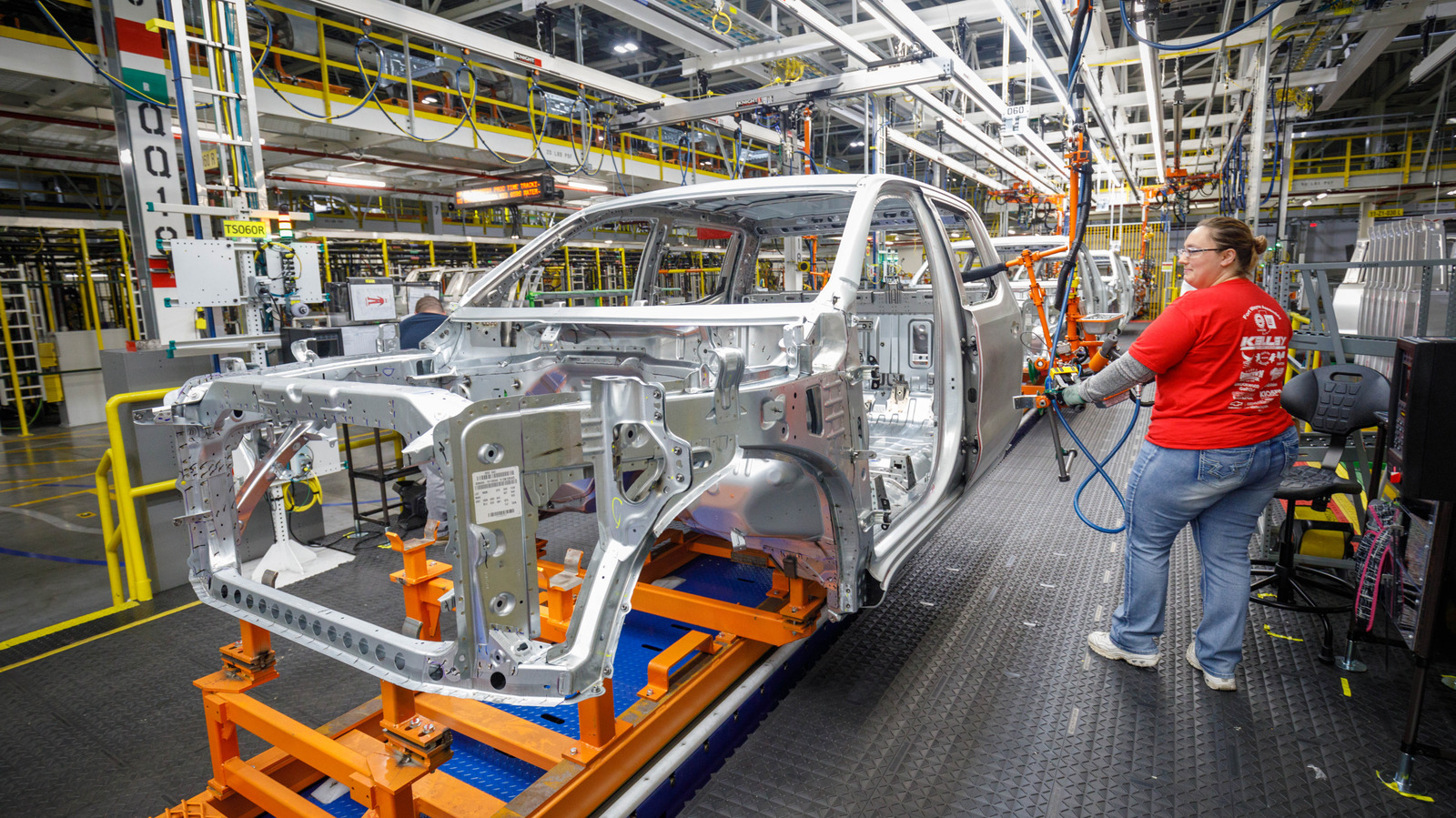
America’s factories are being nudged toward a new purpose: turning some auto assembly lines into makers of missile components. This isn’t a movie plot, it’s a pragmatic shift in how we defend ourselves. Expect debates over speed, cost, and who calls the shots.
The White House and Pentagon talking to major automakers makes a simple point clear: when it comes to national security, reliance on distant suppliers is a risk we can no longer accept. Republicans should welcome private industry stepping up but insist the plan protects free enterprise and taxpayer dollars. The goal is a resilient industrial base, not a command economy.
Automakers have the tooling, the workforce, and the mass-production know-how that weapons manufacturers often lack. That translates into faster production cycles and fewer bottlenecks when deadlines matter. What Washington must avoid is heavy-handed mandates that scare off investment or kill innovation.
Practical concerns are front and center: certification, quality standards, and safe handling of explosive materials. These are not small hurdles, but they are solvable with smart regulation, clear timelines, and incentives. Give companies certainty on liability and procurement, and they’ll move mountains faster than any bureaucratic push.
There’s also a jobs angle Republicans can own: this program could bring manufacturing back into towns that have watched plants shrink. Workers trained on car lines can be retrained to assemble precision parts, keeping paychecks coming and communities intact. That creates political as well as economic benefits without expanding government control.
Cost is a real question, and conservatives should demand transparency. Dollars spent must strengthen deterrence and support the industrial base, not underwrite permanent largesse. Smart contracting, competitive bidding, and sunset clauses will keep this focused on short-term production surges, not long-term dependency.
Another issue is speed. The Pentagon needs parts quickly; public procurement processes are notoriously slow. Streamlining approvals, accelerating accreditation, and offering temporary regulatory relief are practical steps that preserve safety without chains of red tape. Fast action paired with oversight beats slow perfection every time.
Union relationships will matter too. Many auto plants work with strong labor organizations, and any shift in production should respect collective bargaining while offering clear benefits to workers. Republican policy should emphasize local control and voluntary agreements instead of federal edicts that breed resentment and resistance.
Security safeguards are nonnegotiable. Facilities producing missile components must be secure from espionage and cyber threats, and supply chains must be traceable. That means vetting subcontractors, hardening networks, and ensuring sensitive manufacturing stays onshore when critical to national defense.
International partners and allies will watch closely. If the U.S. can rapidly scale production domestically, it strengthens bargaining power and reassures allies. But any plan must coordinate with allied supply chains to avoid unintended market shocks or diplomatic friction.
Finally, leadership matters. Republican voices should push for policies that reward private initiative, protect investors, and prioritize national security without expanding permanent federal control. Incentives, liability protections, and clear, short-term contracts will get parts made fast and keep America in the lead where it counts.
