
Steven Spielberg’s new sci-fi thriller Disclosure Day is a summer hit that has people talking about more than box office numbers — it’s sparking conversations about faith, secrecy, and whether modern culture is ready for official word on extraterrestrial life. The film, centered on a whistleblower who uncovers a government cover-up about aliens, landed big at the global box office and pushed familiar questions into the spotlight. Commentary from hosts like BlazeTV’s Rick Burgess has pushed the discussion into religious territory, challenging assumptions about what disclosure would mean for believers. This piece walks through the movie’s themes, Burgess’s take, and the broader religious reaction without the clickbait.
Disclosure Day arrives as public agencies slowly release UFO-related files, which makes the timing feel loaded to some viewers. Spielberg’s interviews added fuel, with comments suggesting that a confirmed alien presence could shake people’s faith. The movie plays that anxiety straight, showing characters wrestling with existential questions and wondering where humanity stands in a larger cosmic order. That tension is where most of the film’s drama and public debate lives.
BlazeTV host Rick Burgess watched the previews and stayed suspicious, seeing the film as more than entertainment. He flagged the timing and the narrative framing, worrying that a slick, emotional thriller might prime audiences to accept a particular view of what disclosure would do to faith. Burgess’s angle is that the conversation needs to include theological clarity, not just political or scientific panic. He took those concerns to his audience and unpacked them on air.
The movie imagines a cascade of doubts: clergy questioned, families pushed to re-evaluate their beliefs, and ordinary people forced to reconsider sacred narratives. Spielberg’s characters face a version of reality that seems poised to reorder what they thought was unshakeable. That narrative choice is intentional; the film wants you to feel unsettled, to watch faith and reason bend under new information. For many viewers that makes the spectacle compelling and the debate unavoidable.
Rick Burgess frames the issue differently, arguing that the term “aliens” is often used sloppily in pop culture and media conversations. He suggests a theological lens where supposed extraterrestrials might better fit into categories Christians already recognize. For Burgess the dramatic impact of a revealed otherworldly presence would be overrated in terms of faith-shaking consequences. He tells listeners, “If it turns out like in the movie that they’re straight up people from somewhere else and they’re not demonic and they’re not angelic, this notion that somehow that’s going to rattle our faith … it’s just not so,” he assures.
That conviction rests on a long-standing doctrinal claim: believers are taught that God is the sovereign creator of all things, seen and unseen. Rick points to scriptural grounding for that confidence and frames discovery of other intelligent life as compatible with a Creator God. He reminds his audience that theological categories are broader than what a movie or headline might suggest. To make that point he states plainly, “The Scriptures tell us even in Genesis that God is the creator. He is the beginning and the end of all things. If space people show up from another planet or another galaxy, it doesn’t change what we believe about God,” he says.
The show also revisits classic Christian imagery about spiritual conflict to interpret the possible arrival of spacefaring beings. Burgess invokes the familiar idea that a cosmic struggle between good and evil plays out beyond human sight, shaping events on earth in ways people often miss. That framework lets him see alien encounters through the lens of spiritual warfare rather than scientific revelation alone. It’s a way to keep the theological conversation front and center amid speculative frenzy.
When he considers unknown beings, Burgess is careful not to claim certainty about their moral state, but he insists their existence would not overturn basic faith claims. “So if there’s another bunch from somewhere else, I don’t know what their situation with God may or may not be, but their existence doesn’t equal God doesn’t exist,” says Rick. That stance leaves space for curiosity while rejecting panic-driven surrender to materialistic explanations of origins.
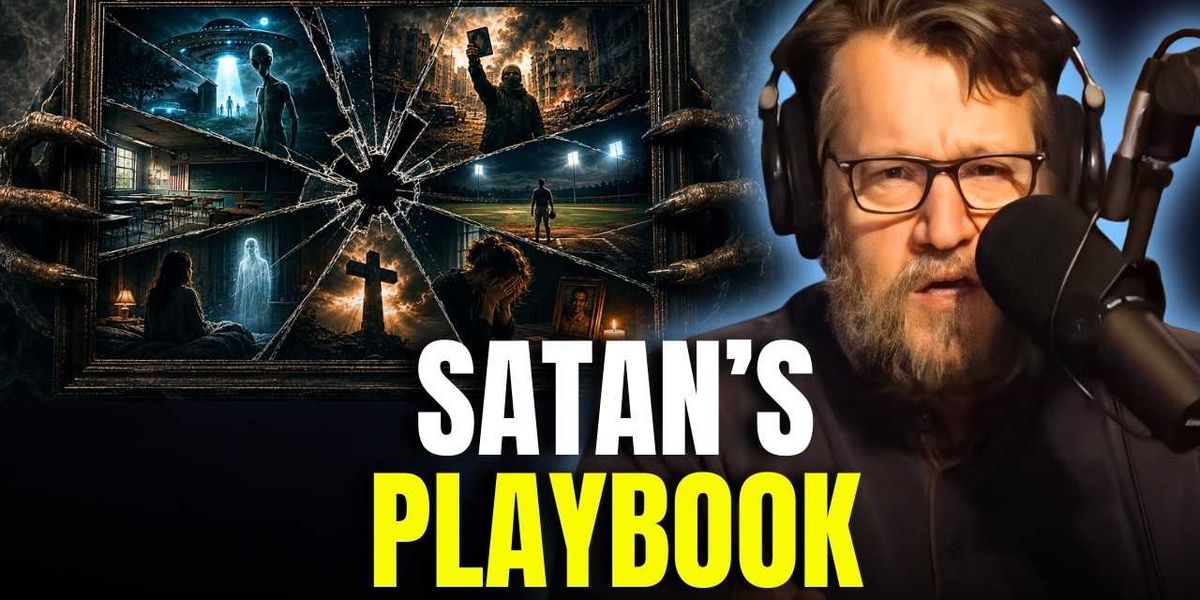
Finally, Burgess warns about a specific rhetorical move he sees as dangerous: the idea that a superior nonhuman intelligence would have to be responsible for creating humanity. He argues that a narrative shift toward attributing our origins to aliens could function like a spiritual diversion. “What Satan is hoping that we’ll take from this … is that if space people show up, and they’re really something, they must have created us, not God,” he says. It’s a line meant to caution believers against swapping theological anchors for sensational stories.
