
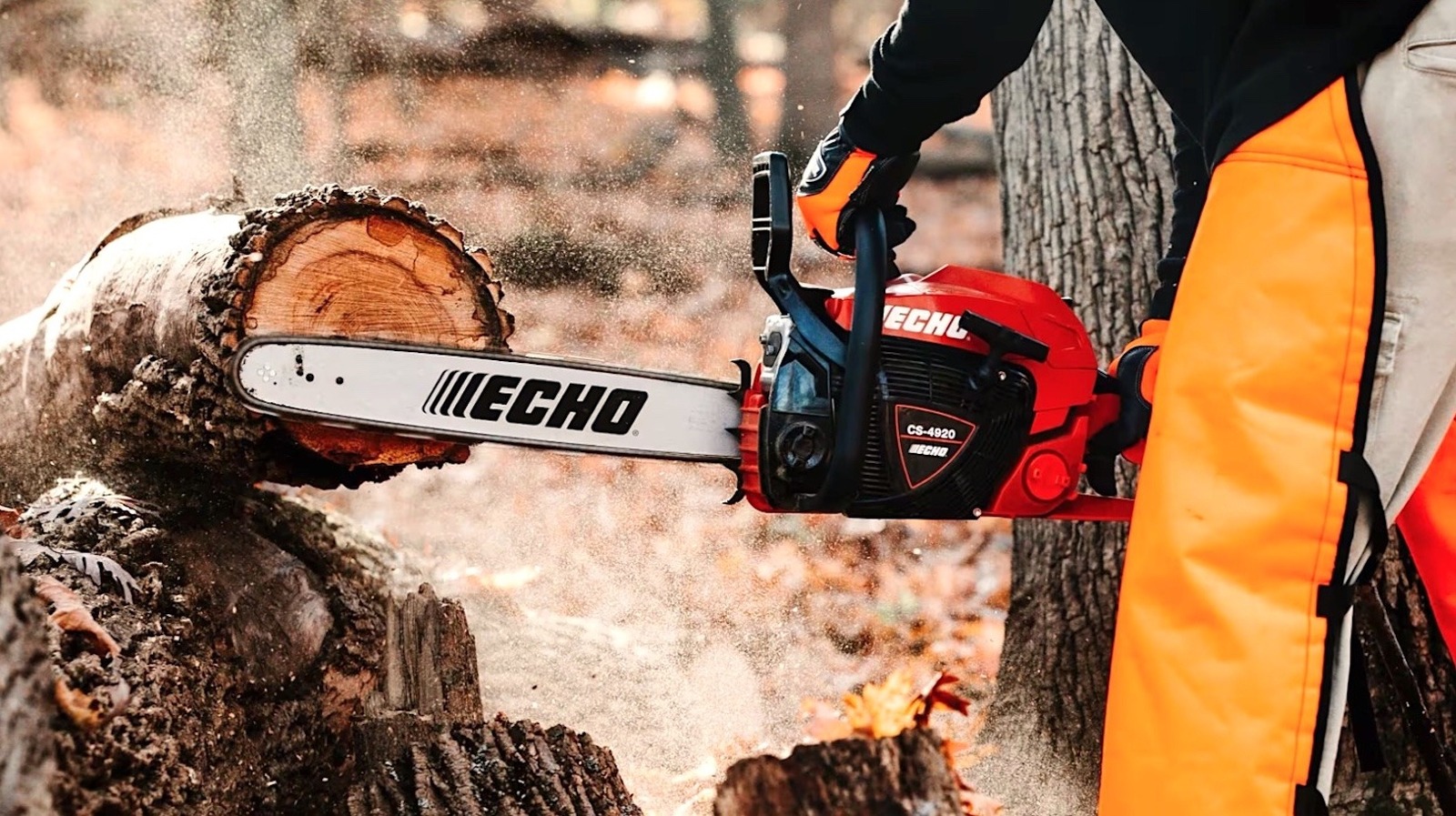
If you only need a chainsaw for one job, renting often beats buying — it’s cheaper up front, saves you maintenance headaches, and keeps your garage from filling up with a tool you’ll rarely touch. This piece walks through the practical reasons to rent, safety and insurance considerations, how to choose the right machine for a job, and a few smart rental-day tips so you don’t get stuck halfway through a cut.
Most homeowners who face a one-off task like a fallen tree or a major limb trim find renting the most sensible route. The rental fee usually covers a unit that’s in decent shape and ready to work, meaning you avoid the initial purchase cost and the long-term burden of upkeep. For a single weekend or a day of yard cleanup, that alone can make renting the clear winner.
Think about frequency before you buy. If you cut wood once a year, owning a chainsaw sits on the wrong side of the cost-per-use math, and the tool degrades whether you use it or not. Renting lets you match the machine to the job without committing to storage, fuel stabilizers, sharpening gear, or a maintenance schedule.
Safety should be the loudest factor in your decision. Rental shops usually inspect and maintain their fleet because their business depends on reliable gear, which means the odds of a blunt bar or sticky chain are lower than with a neglected home tool. Still, show up prepared: inspect the saw, confirm the chain is sharp and tensioned correctly, and ask for a quick demo if you’re rusty on operation.
Not all chainsaws are created equal, so match power and size to the task. A light electric or battery model will handle pruning and small limbs without the mess of gas, while a midrange gas saw will tackle trunks and larger branches with less effort. Overpowering a small job wastes fuel and makes control harder, while underpowering a big cut risks binding and dangerous kickback.
There’s also the matter of protective gear. Whether you rent or buy, a proper helmet with face shield, chaps, gloves, and sturdy boots cut the risk of a bad outcome dramatically. Rental shops can sometimes bundle PPE with the tool or remind you to bring your own, but don’t assume they’ll supply what you need without asking.
Coverage and liability are practical things to check before you head home with a rented saw. Ask about damage waivers and what the rental company requires if something breaks, and check whether your homeowner policy or credit card provides any supplemental protection. It’s better to sort that in the lot than to face a surprise bill after an accident.
Plan your workflow to avoid operator fatigue, which is where most mistakes happen. Break larger jobs into manageable chunks, switch hands or operators when you start to tire, and keep a steady stance to control the saw. A calm, methodical approach saves time and prevents the kind of slip-ups that turn simple yard work into a costly emergency.
Renting also removes the storage problem from the equation. Power tools left in damp garages or basements suffer, and chainsaws are especially vulnerable to rust and fuel issues. Taking one from the rental shop, using it, and returning it clean saves you from long-term degradation and the chore of winterizing a machine you might not use again.
If you decide you need a saw regularly, owning becomes tempting, but think about maintenance costs, space, and resale value. A well-chosen saw, regularly maintained, will last for years but requires oil, bar and chain care, and occasional part replacement. For many homeowners, the tipping point to buy is regular seasonal use, like cutting firewood every winter or frequent property maintenance.
When you pick up a rental, do a quick on-site checklist: confirm fuel level or battery charge, test start the unit, check the chain tension and brake, and inspect for obvious damage. Ask the staff about return conditions to avoid hidden fees, and bring your own PPE if you have it. Small prep work up front keeps the job moving and avoids unexpected stops while you hunt for a part or permission.
At the end of the day, renting gives flexibility and low commitment for the occasional user, while buying rewards regular use with convenience and familiarity. Choose the route that fits your calendar and confidence level, and be smart about safety, maintenance, and insurance so a simple yard chore doesn’t turn into a headache.
