
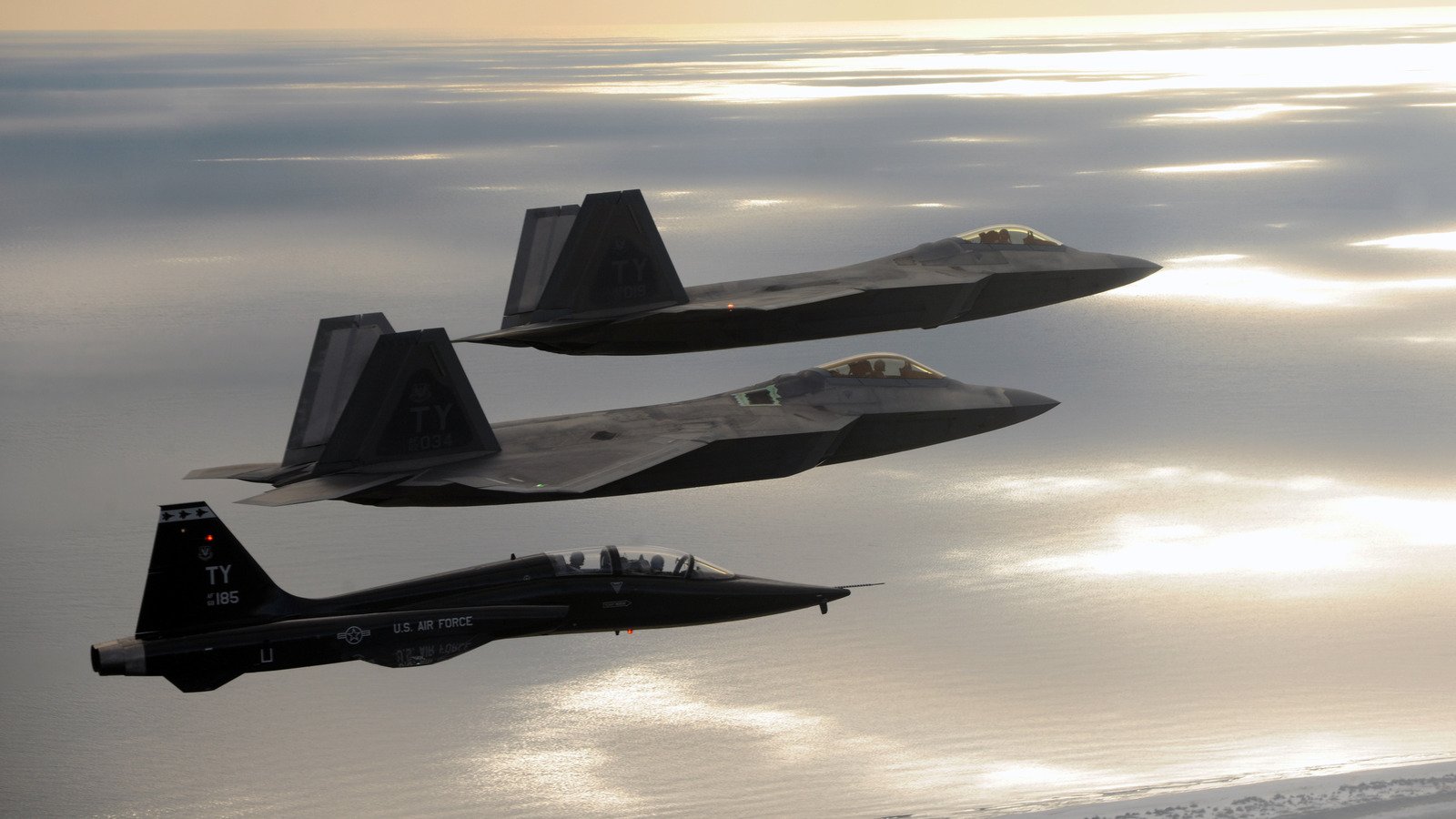
This piece explains why you see green lights on modern fighter jets, what those lights actually do, and how they fit into night flying and tactical operations. It breaks down the different kinds of lights that can appear green, why green is a common choice, and how pilots use them without giving away their position. You will get a clear, practical look at formation and NVG lighting and why those small lamps matter so much when the sun goes down.
When you spot green glows around the fuselage or tail of a fighter, you are usually looking at either navigation lights or purpose-built formation and night vision compatible lights. Navigation lights follow the same basic rule as civilian aircraft with green on the right side, but most of the green patches you notice on the body are actually for formation work. Those lights are tuned to help other pilots judge spacing and orientation in low light rather than make the jet flashing bright for everyone to see.
Formation lights are modest in intensity and placed so crew members can quickly read the shape and attitude of a nearby aircraft during close formation flying. They give visual cues during night training, aerial refueling, and when a flight needs to stay tight without cluttering the cockpit with radio chatter. The goal is simple, to keep aircraft safely arranged while minimizing the chance of detection by an adversary.
There are also lights and filters designed specifically for night vision goggles, and those often relate to the green tones you associate with military night operations. NVG-compatible lighting either emits in infrared or is spectrally filtered so it reads well on a night vision device while staying relatively dim to the naked eye. Because night vision displays traditionally use green phosphor, lighting that reads effectively on an NVG will appear green to your brain and to photos intended to capture NVG-compatible scenes.
Placement matters, so you will see these lamps along the fuselage and tail where other pilots can get a clean line of sight to reference control points in the dark. Designers avoid bright, reflective placements that might ruin a pilot’s night vision, and the lights are normally shielded or baffled to reduce scattered glare. The result is a pattern that communicates orientation and distance without turning the jet into a beacon.
Pilots and ground crews can adjust these lights, dim them, or shut them off depending on mission needs and rules of engagement. In peacetime flying or training the lights may be used freely for safety, while in hostile environments they are suppressed to reduce the aircraft’s visible and infrared signature. That flexibility keeps crews safe when it helps and hidden when it has to.
It helps to separate these green formation lights from other common aircraft lighting like strobes, taxi lights, and landing lamps, which have different functions and visibility profiles. Anti-collision strobes are bright and white to catch attention across long distances, while landing and taxi lights are intense and focused for runway operations. Formation and NVG lights are low-key, purpose built, and designed to be useful to a small circle of friendly eyes rather than to advertise a plane’s location to everyone nearby.
Advances in LED technology and lighting control have sharpened the utility of these systems, allowing precise wavelengths, adjustable output, and better reliability on high performance jets. Modern hardware is smaller, more energy efficient, and easier to integrate with cockpit controls that let a pilot tweak illumination on the fly. That means the lights do their job with less maintenance, less power draw, and cleaner control for mission planners.
Pilots will tell you those tiny green cues make night formation flying feel far less risky, letting them focus on tactics and mission goals instead of purely visual spacing. At the same time crews train to go dark in seconds, because the same lights that save lives in training can be a liability in combat. The green dots are not glamorous, but they are critical tools that help aircraft operate safely and effectively after sunset.
