
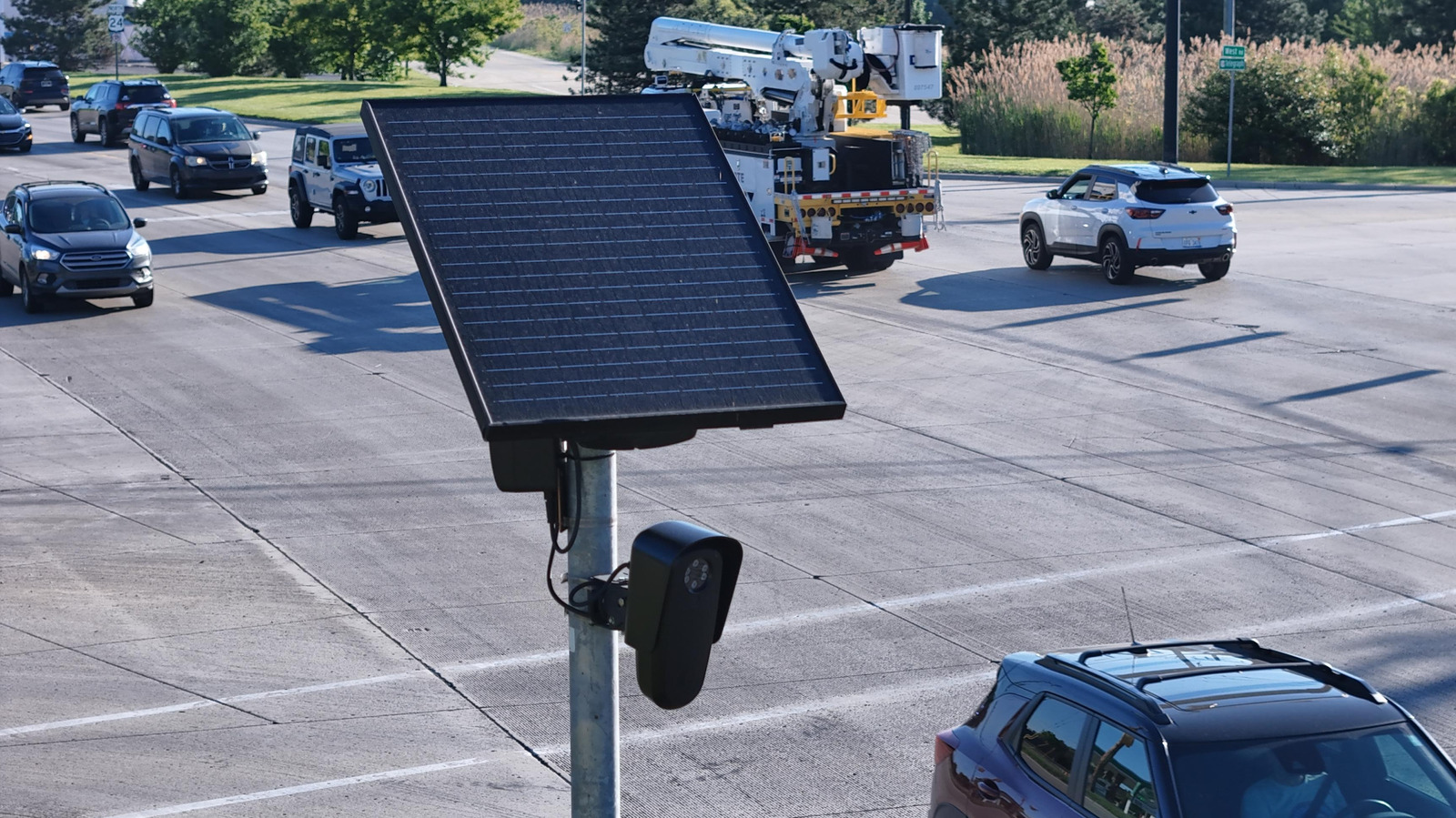
This piece looks at the rise of Flock ALPR cameras on highways and the community-built, free open-source map that’s grown to help people spot and steer clear of invasive license plate readers; it explains what ALPRs do, why privacy advocates worry, how the map works, its limits, and sensible steps you can take if you care about keeping your movements private.
Automatic license plate readers, or ALPRs, are cameras that capture plate numbers and combine them with time, location, and sometimes photos of vehicles. Companies like Flock operate networks of these devices and sell or share the resulting data with law enforcement and private customers. That capability turns a stretch of freeway into a searchable database of movements, and for many people that feels like a line crossed from public safety into constant surveillance.
Privacy concerns are practical and personal at once: data can be retained long after an incident, cross-referenced with other datasets, and used in ways drivers never consented to. Critics warn that the system encourages tracking beyond specific investigations, inviting profiling or commercial exploitation. Supporters say ALPRs help solve crimes and recover stolen cars, so there’s a real tension between public safety benefits and individual privacy costs.
The open-source map aims to tilt that balance toward transparency by showing where ALPR cameras are reportedly installed. Built by volunteers, it aggregates user submissions, old planning documents, and public reports into a searchable overlay you can consult before a trip. The map is not an evasion toolkit so much as a civic inventory: it reveals how dense camera coverage is in an area and highlights spots where your plate is more likely to be recorded.
Using the map responsibly means treating it as situational awareness, not a loophole to break laws. It’s perfectly reasonable to avoid locations where you don’t want to be tracked for private errands or sensitive travel, but crossing into obstruction or tampering with equipment is illegal. The most practical use is planning routes with fewer monitoring points or choosing times and roads that reduce exposure when privacy matters most.
On the technical side, the map relies on crowdsourced observations and public records, so entries include coordinates, notes about camera direction, and whether a unit is active or believed to be part of a commercial network. The project’s open nature lets users flag errors, add new finds, and export data for further analysis. That openness also makes it resilient: a single bad actor can’t easily erase coverage or spin a false picture without the community correcting it.
But the map has limits you should know about. Coverage varies by region, data ages quickly when agencies install new units, and commercial providers can operate mobile or covert cameras that never appear on any public layer. In short, the absence of dots on a map is not a guarantee of privacy. Treat the tool as a helpful indicator, not a shield, and keep realistic expectations about what it can and cannot do.
Beyond the app, the wider conversation matters: how we regulate data retention, who gets access to real-time plate reads, and whether commercial vendors should be allowed to build searchable archives of innocent people’s movements. Citizens and lawmakers can push for clear limits, shorter retention windows, and stricter access controls so the technology serves public safety without normalizing perpetual observation. Community mapping projects are part of that civic push, showing where oversight is needed.
If you want to reduce your exposure, start with simple steps: learn where cameras cluster, consider routes that favor low-traffic local roads, and be mindful of how long third parties can keep records tied to your plate. Stay engaged with local policy debates and support transparency measures that require disclosure of camera placements and data practices. Awareness and smart choices make a difference even as the surveillance landscape keeps changing.
