
This piece breaks down the fallout from a hardline Israeli minister publicly calling for extreme action against Lebanon and rejecting a U.S.-brokered détente with Iran. It looks at the political signaling, security logic, and the wider implications for U.S. policy and regional stability. The tone is straightforward and unapologetic about defending Israel while questioning deals that hand leverage to hostile actors.
Itamar Ben-Gvir’s remarks landed like a gut punch to an already tense region, and Republicans who back a strong Israel see the instinct behind them. He framed the situation as one where decisive force is necessary to dismantle hostile networks that threaten Israeli civilians. That raw language appeals to voters and leaders tired of half-measures and diplomatic soft spots.
From a conservative perspective, the rejection of a U.S.-Iran accord makes sense because Iran’s regional ambitions are the core problem. Any deal that loosens pressure on Tehran risks freeing up cash and influence for proxies across the Levant. Republicans argue that embedding Iran economically or politically only accelerates the spread of groups that target allies like Israel.
The tougher line also highlights a central strategic question: do you prioritize immediate security for allies or the potential stability of negotiated settlements? For many on the right, the answer is clear. You secure allies first, then talk. Allowing Iran to rebuild its networks while hoping for compliance later is seen as naive and dangerous.
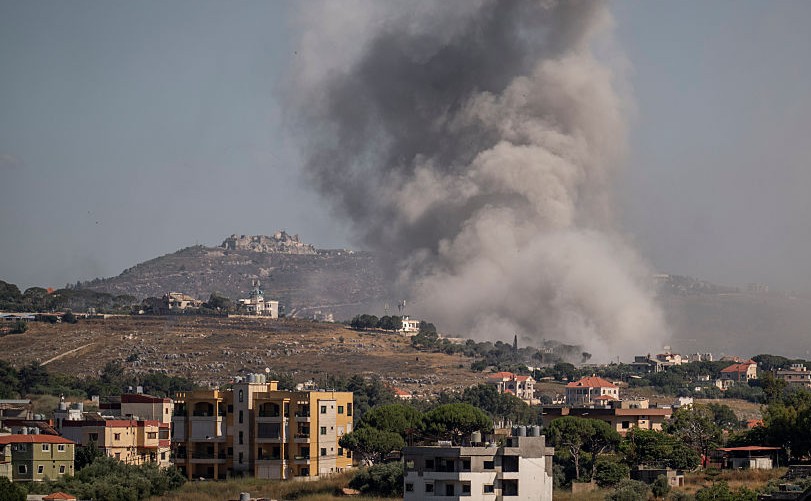
Ben-Gvir’s call for extreme measures against Lebanon is meant to emphasize a point rather than outline an operational campaign. Still, the rhetoric forces a hard conversation about Hezbollah’s role inside Lebanon and how Iranian money and weapons change the calculus. Republicans worry that failing to dismantle those networks leaves open the door to repeated escalations that endanger civilians on all sides.
There is also a domestic political angle. U.S. conservatives who prioritize national security are watching whether American policyline up with backing for Israel. The optics of a deal with Iran that all but ignores Tehran’s proxy apparatus would frustrate the base and weaken the argument that diplomacy can deliver durable peace. That discontent can shape votes and pressure lawmakers to take a firmer stance.
Practically speaking, a Republican approach would push for stronger military aid, tighter sanctions on proxies, and closer intelligence sharing with regional partners. It would also demand clear benchmarks for any diplomatic engagement with Iran, with rapid snapback penalties for violations. The goal is to make clear that negotiations do not mean reward for bad behavior.
Critics of the hardline rhetoric warn about the danger of escalation and civilian suffering, and those warnings are not ignored. Responsible policy requires weighing military options against humanitarian consequences and international law. Still, the argument from the right is that deterrence and decisive action prevent larger wars by removing the networks that provoke periodic conflicts.
This moment exposes a deeper divide over how to keep the peace: through concessions and complex agreements or by denying hostile states and their proxies the capacity to wage war. Republicans tend to favor the latter, insisting strength and clarity produce safer outcomes. The stakes are high and the choices made now will ripple across the region for years to come.
