
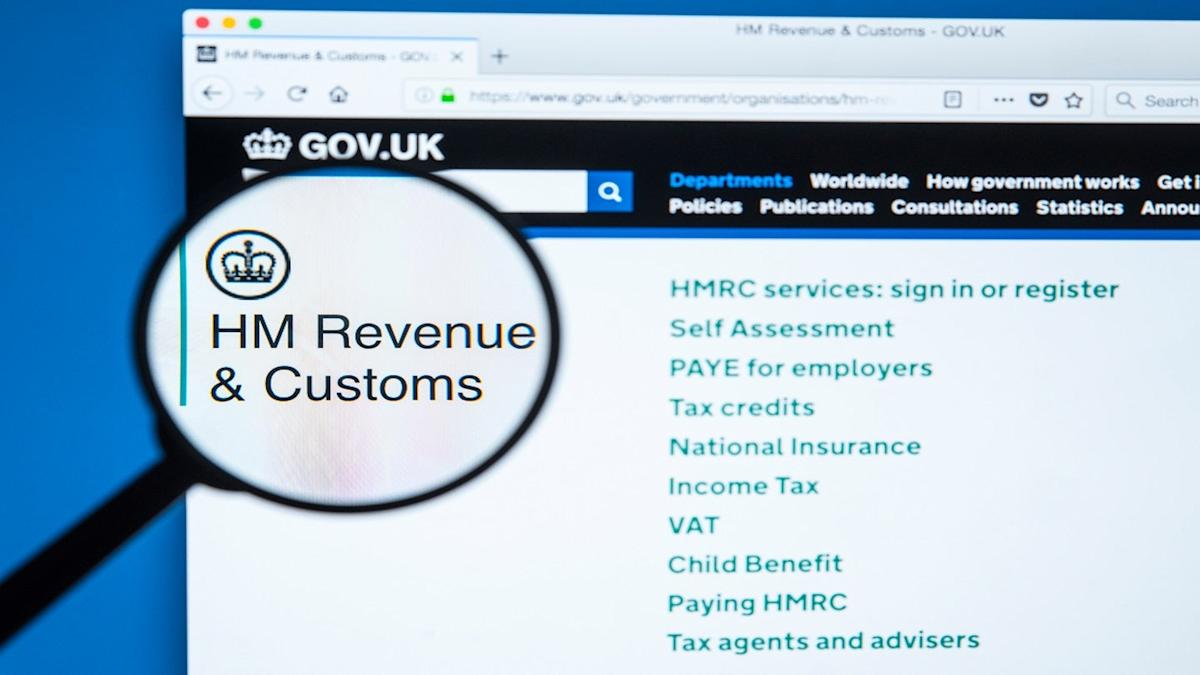
The Association of Chartered Certified Accountants has pushed back hard on fresh HMRC proposals that would widen reporting on payments from close companies to participators, arguing the rules risk piling extra work on compliant small firms without catching serious evasion. ACCA wants clearer evidence that any extra data collection will actually deliver net benefits and says HMRC should squeeze more use from existing filings before inventing new forms. This piece walks through the concerns, the key quotes, and the alternatives the ACCA is urging.
The government consultation at the centre of the row is titled “Reporting company payments to participators – modernising the reporting framework”. It aims to close what officials see as a small company tax gap by widening the types of transactions that must be reported. But the ACCA warns that the scope could sweep in many harmless or exempt transactions, creating noise rather than useful intelligence.
ACCA representatives say the proposed rules risk creating significant extra administrative work for businesses that already try to follow the rules. Small companies and their advisers could face new, repetitive filing duties for transactions that would never produce a tax charge. That kind of burden, the ACCA argues, will mostly affect honest operators rather than deliberate rule breakers.
Glenn Collins of ACCA UK Technical and Strategic Engagement made the organisation’s stance plain: “It is good to see that the government is aware that most small businesses seek to operate responsibly and comply with their tax obligations. We support efforts to address the small company tax gap.” Those words underline support for the goal while drawing a hard line on proportionality.
The ACCA also says the consultation appears to ignore data HMRC and other departments already hold, which could be used instead of inventing fresh reporting routes. The body recommends better use of existing iXBRL accounts and payroll or tax submissions to reduce duplication. “However, before issuing the consultation HMRC should have carried out a more thorough evaluation of the current and future reporting obligations that small and some medium-sized entities face and will face.” That exact point demands a fuller impact assessment up front.
Beyond workflow concerns, ACCA wants clear, costed evidence that any new collection will actually pay off for the Exchequer and for society. The organisation is calling for HMRC to publish analysis showing benefits exceed costs, especially for compliant taxpayers who will shoulder the additional burden. ACCA EEMA and UK policy manager Christian Novak summed the demand in one line: “We believe that HMRC should present clear and costed evidence that the new proposals to demonstrate that the value to the Exchequer and society clearly outweighs the additional burden imposed upon compliant taxpayers.”
Practical alternatives are on the table, according to the ACCA. Rather than rolling out a new reporting framework, the body urges HMRC to make fuller use of iXBRL-tagged accounts already filed by close companies, and to join that up with existing CTSA, ITSA and RTI submissions. Tapping the data that firms already submit in tagged, machine-readable form would limit extra compliance and give revenue officials material they can analyse without forcing companies into yet another reporting regime.
There is precedent for cautious change: ACCA previously supported the move to standardised and fully tagged digital company tax returns, while flagging the need for proportionality. That position shows the organisation is not against digitalisation or improved visibility for tax authorities, but it insists on sensible staging and clear cost-benefit tests. The ACCA wants reform that targets real non-compliance and avoids sweeping in the many small traders and owner-managed businesses that operate above board.
If HMRC and HMT are serious about closing loopholes, the ACCA argues the smarter route is clearer evidence, better reuse of existing filings, and targeted measures that hit the small number of bad actors without turning compliant companies into a mass of paperwork. The debate now hinges on whether officials can demonstrate that a new layer of reporting will do more good than harm and whether existing iXBRL and tax reporting systems can be used more effectively.
