
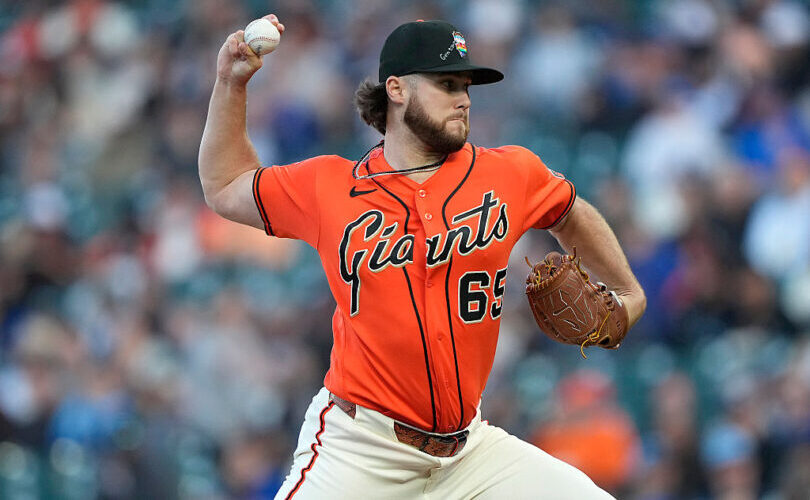
The story follows three San Francisco Giants pitchers who wrote a Genesis verse on their caps during Pride Night, the league’s warning that followed, and the push from LGBT activists for stronger punishment; this piece examines the clash between religious expression and league rules, reactions from fans and conservative voices, and the broader stakes for free speech in sports. It looks at the immediate consequences, the public response, and the legal and cultural lines being tested by a simple act of faith on a baseball field.
Three pitchers chose to mark Pride Night with a small, personal gesture: a Bible reference tucked onto their caps. The league reacted with a formal warning, signaling that team-branded uniform spaces are closely regulated. LGBT activists quickly called for harsher sanctions, arguing the gesture could be read as exclusionary in a league event meant to celebrate diversity.
The reaction split along predictable lines. Supporters of the pitchers framed the move as a private expression of faith by players who were not using the platform to verbally attack anyone. Critics said the timing and context mattered and that the caps were part of a team presentation where messages should align with the event. That tug of war captured a larger cultural argument about where personal belief ends and public responsibility begins.
From a conservative angle, this is less about baseball and more about liberty. Players are employees of a private league, yes, but they are also individuals with constitutional sensibilities and deeply held convictions. Punishing a non-violent, scripture-based note smacks of overreach when measured against the principle that citizens should be free to express faith in public life.
On the other hand, professional sports operate on carefully calibrated rules designed to avoid controversy and protect brand relationships. Teams and leagues create uniform policies to keep attention on the game and to manage sponsorships. When a uniform space is used, even subtly, for a message that clashes with an official celebration, the organization will feel compelled to step in to maintain control and avoid precedent-setting exceptions.
Activists pushing for stronger penalties argue their position is about safety and inclusion rather than censorship. They worry that symbols, even small ones, can create an environment where marginalized fans feel unwelcome. That concern has traction among many fans and sponsors who see the league as a stage that should reflect inclusive values without mixed messages.
Public reaction has been loud and fast on social media and in opinion columns. Conservative voices defended the pitchers, framing the warning as evidence of cancel culture expanding into faith. Progressive commentators emphasized the need for accountability in spaces designated for minority celebration. The debate reveals how polarized responses are when religion and identity intersect in high-visibility arenas.
There are legal and practical implications to watch. While the First Amendment limits government suppression of speech, private employers have more leeway to set rules for employees. Still, heavy-handed responses can provoke backlash, boycotts, or legal challenges based on employment and discrimination law depending on the facts. For teams and leagues, every enforcement decision becomes a precedent that can shape future behavior by players and the expectations of fans and sponsors.
The incident raises a basic question – how should sports balance individual conscience with organizational messaging? Fans who want to see players be authentic will applaud small acts of personal faith, while those who expect institutions to curate public-facing events will accept rules that limit personal displays. The tension isn’t going away, and as culture wars continue to play out in stadiums, leagues will keep testing the boundary between control and tolerance.
