
The United States has been misreading the Islamic Republic of Iran for decades, treating an ideological, terror-exporting regime like a normal negotiating partner rather than a persistent national security threat. This piece argues that the revolution’s ideological roots, Iran’s proxy networks, and its use of diplomacy as cover mean Washington needs a harder, clearer-eyed approach.
For nearly fifty years American leaders have debated engagement with Tehran as if it were a conventional state pursuing routine interests. That framing misses the point: Iran was forged as a revolutionary project that sees confrontation with the West as central to its legitimacy. When policymakers insist on viewing Tehran through the lens of normal diplomacy, they hand the regime maneuvering room it does not deserve.
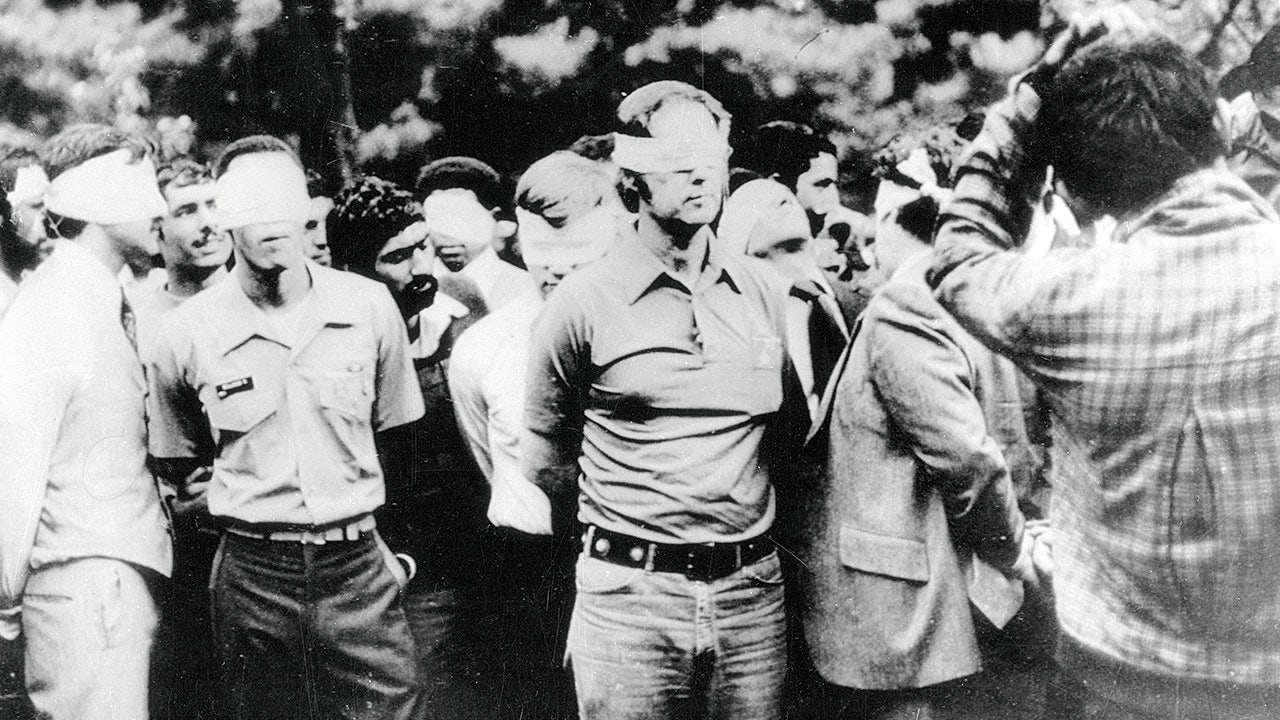
In 1979 Iran ceased to be an ally and became a revolutionary headquarters, and the seizure of the U.S. Embassy made that transformation unmistakable. That crisis was not a temporary rupture but a declaration that the regime would build authority through perpetual opposition. Policymakers who treated the upheaval as mere anti-monarchical politics ignored Khomeinism’s violent, transnational aims.
TRUMP’S WARNS IRAN IS ‘PLAYING US FOR SUCKERS’ AS HE MULLS RENEWED STRIKES
The new government’s coalition included more than clerics; it brought in militant actors aligned with wider anti-Western movements and exported that ideology across borders. Khomeinism fused religious absolutism with political violence and anti-Americanism, producing a state that normal diplomacy cannot reform. That ideology has shaped Tehran’s choices ever since, making survival inseparable from confrontation.
The regime institutionalized its transnational reach with the Islamic Revolutionary Guard Corps and the Quds Force, cultivating militias and terrorist groups across the region. Over decades this network morphed into an “Axis of Resistance” stretching from Lebanon and Iraq to Syria and Yemen, with Hezbollah becoming the prime example of Iran’s proxy strategy. Hamas, Palestinian Islamic Jihad, Iraqi militias, and the Houthis all advanced Tehran’s influence through indirect warfare.
IRAN ACCELERATES EXECUTION CAMPAIGN AGAINST ANTI-REGIME ACTIVISTS AMID INTERNET CENSORSHIP
That proxy network has exacted an American toll for years, from Beirut bombings to attacks on our forces in Iraq and beyond. The regime prefers to act through proxies because it can avoid direct confrontation while still inflicting damage and projecting power. Terrorism for Tehran is not a tactic of last resort; it’s woven into its strategic culture.
The threat now spills beyond the Middle East, with plots, assassination attempts, and repression reaching targets abroad and American soil. The 1980 murder of former Iranian diplomat Ali Akbar Tabatabai in Maryland was an early sign that Tehran’s ideological violence could travel. Over time Iran’s operations, influence campaigns, and hostile networks have become part of the persistent threat environment Washington faces.
FROM HOSTAGE CRISIS TO ASSASSINATION PLOTS: IRAN’S NEAR HALF-CENTURY WAR ON AMERICANS
U.S. institutions often treat incidents as isolated crimes rather than symptoms of a broader ecosystem backing ideological violence. The FBI, DHS, and intelligence services rightly pursue plots and arrests, but stopping individuals does not dismantle the architecture that creates them. To get serious about the problem, Washington needs to map and counter the propaganda, lobbying, and sympathetic networks that soften resistance to Tehran’s aims.
MARK LEVIN: DEAL OR NO DEAL?
Diplomacy and sanctions relief have repeatedly failed to change Iran’s core behavior because they misread the actor across the table. The JCPOA left the missile program, proxies, and terrorism untouched, and relief from sanctions strengthened Tehran’s hold. Negotiations often became cover for Tehran to buy time, expand its reach, and keep its revolutionary project alive.
Both Republican and Democratic administrations have fallen into the same trap of expecting either engagement or pressure to deliver what neither can without understanding the regime’s ideological nature. Today Tehran shows signs of weakness at home, facing legitimacy crises, economic strain, and succession uncertainty. But a weaker Islamic Republic can be more dangerous, not less, because cornered regimes lash out, activate proxies, and double down on repression to survive.
Washington’s central question should not be whether another round of talks is possible but whether policymakers will finally acknowledge who they are dealing with. Until the United States treats Iran as the national security challenge it is, Tehran will keep exploiting diplomatic cover, expanding its networks, and threatening American interests at home and overseas.
