
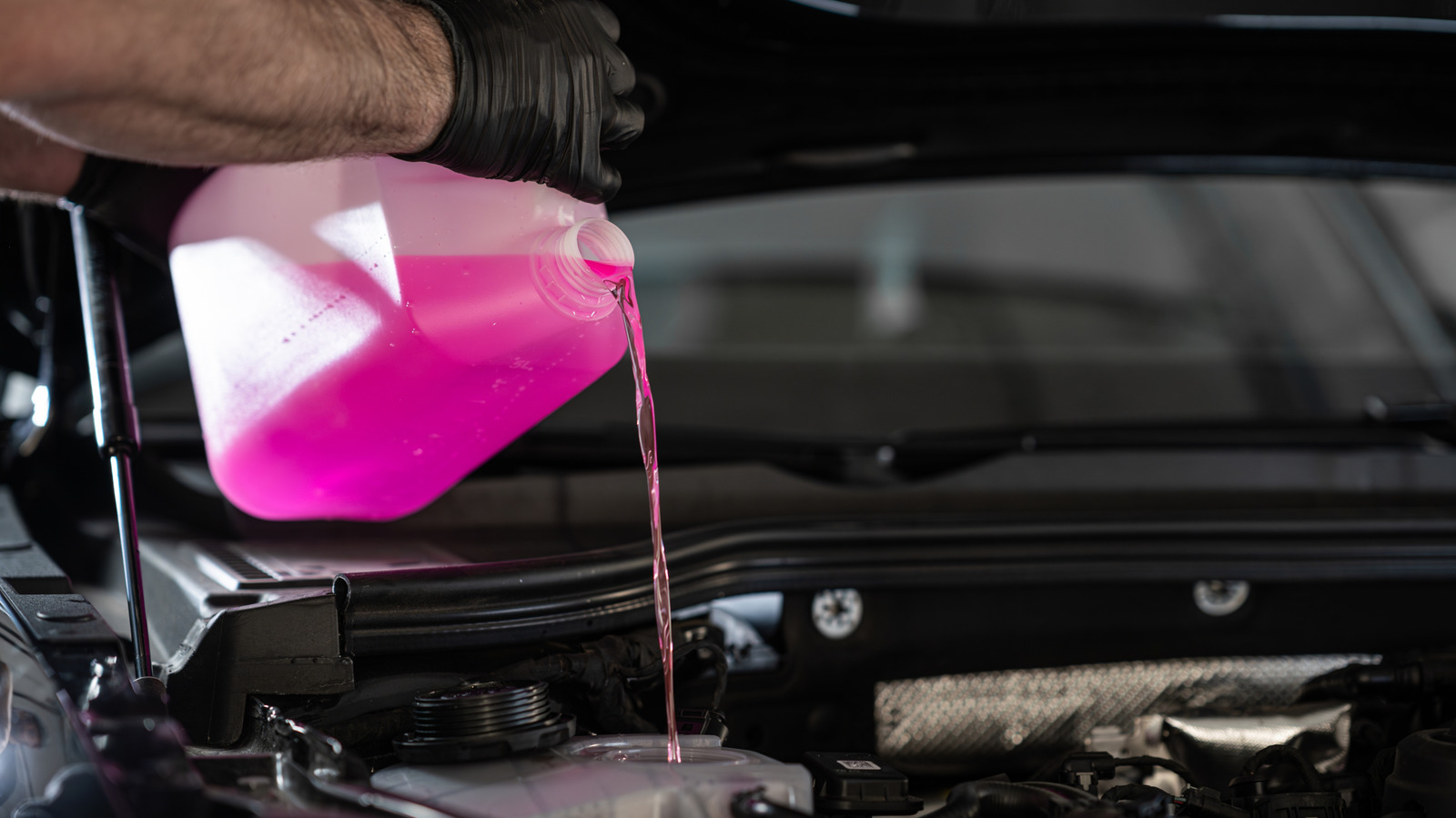
I’ll explain why coolant matters, compare European and American formulas, flag the risks of mixing different types, suggest maintenance habits, and give practical buying tips so you pick the right fluid for your car.
Coolant is one of the most important fluid for any car that isn’t an old Beetle or Porsche. What’s the difference between the European and American varieties? At a glance it looks like color and branding, but under the paint job there’s chemistry and manufacturer rules that really matter.
At the base level coolant is mostly glycol and water, usually either ethylene glycol or propylene glycol mixed with corrosion inhibitors. Those inhibitors are the real story: they decide how a coolant protects aluminum, iron, and other metals over time. Modern cars demand specific inhibitor packages because engine alloys and head gaskets vary by maker.
European automakers have trended toward long-life organic acid technology often labeled G12, G12+, G13 and similar names, and those formulas were engineered around European aluminum-heavy engines. These OAT formulas avoid heavy silicate content and aim to protect aluminum without frequent top-ups. They can last much longer under the right conditions, but only when used as specified by the manufacturer.
In the U.S. market you’ll see a mix: older vehicles use inorganic additive technology, the classic green stuff that contains silicates and phosphates and needs more frequent changes. Newer American offerings often use HOAT chemistry, a hybrid that blends silicates for quick protection with organic acids for long-term defense. GM’s Dex-Cool is a well-known long-life formula, but it isn’t universal for every make or model.
Colors can be a hint but not a rule; orange, pink, green, red—those are marketing shorthand more than a chemistry certificate. Mixing incompatible coolants can create sludge, gel, or a corrosive mess that kills water pumps and heaters. Never assume two coolants are compatible just because they look similar.
Besides chemistry, OEM approvals matter. Volkswagen, BMW, Mercedes, and other European brands publish exact specs, and deviating from them risks warranty problems and premature corrosion. In the American market some manufacturers accept HOAT or Dex-Cool equivalents, but always check the owner’s manual or the chassis-specific coolant spec before topping up.
Maintenance practices are straightforward but often ignored: keep a 50/50 mix of coolant and clean water for the right freeze and boil protection, use distilled or deionized water rather than tap water to avoid mineral buildup, and test for pH and inhibitor strength periodically. A visual check for oil contamination, milky residue, or rust-colored particles will catch trouble early. If the coolant looks off or the system overheats, get it flushed and tested rather than adding random additives from the parts store.
Speaking of additives, stop-leak products can be a short-term fix for small leaks but they can pack up radiators and clog heater cores over time. Electrolysis from poor grounding or stray current can eat metal fast and shows up as pinhole leaks in aluminum components. Those issues are mechanical and electrical, not a coolant chemistry problem, so diagnosing rather than guessing is key.
Environmental and safety notes matter too: ethylene glycol is toxic to people and pets and must be handled and disposed of responsibly, while propylene glycol is somewhat safer but not harmless. Recycling used coolant at proper facilities and avoiding spills protects waterways and keeps you out of legal trouble. Always store coolant in clearly labeled, sealed containers away from children and animals.
Pick coolant with the right OEM approval, avoid mixing different chemistries, and follow concentration and service interval guidance from the manufacturer. If you drive a European car, assume it needs a European-approved formula unless told otherwise, and if you own an older American vehicle, verify whether IAT, HOAT, or Dex-Cool is required. When in doubt, use the exact OEM fluid or a certified aftermarket replacement that lists your vehicle’s spec on the bottle.
