
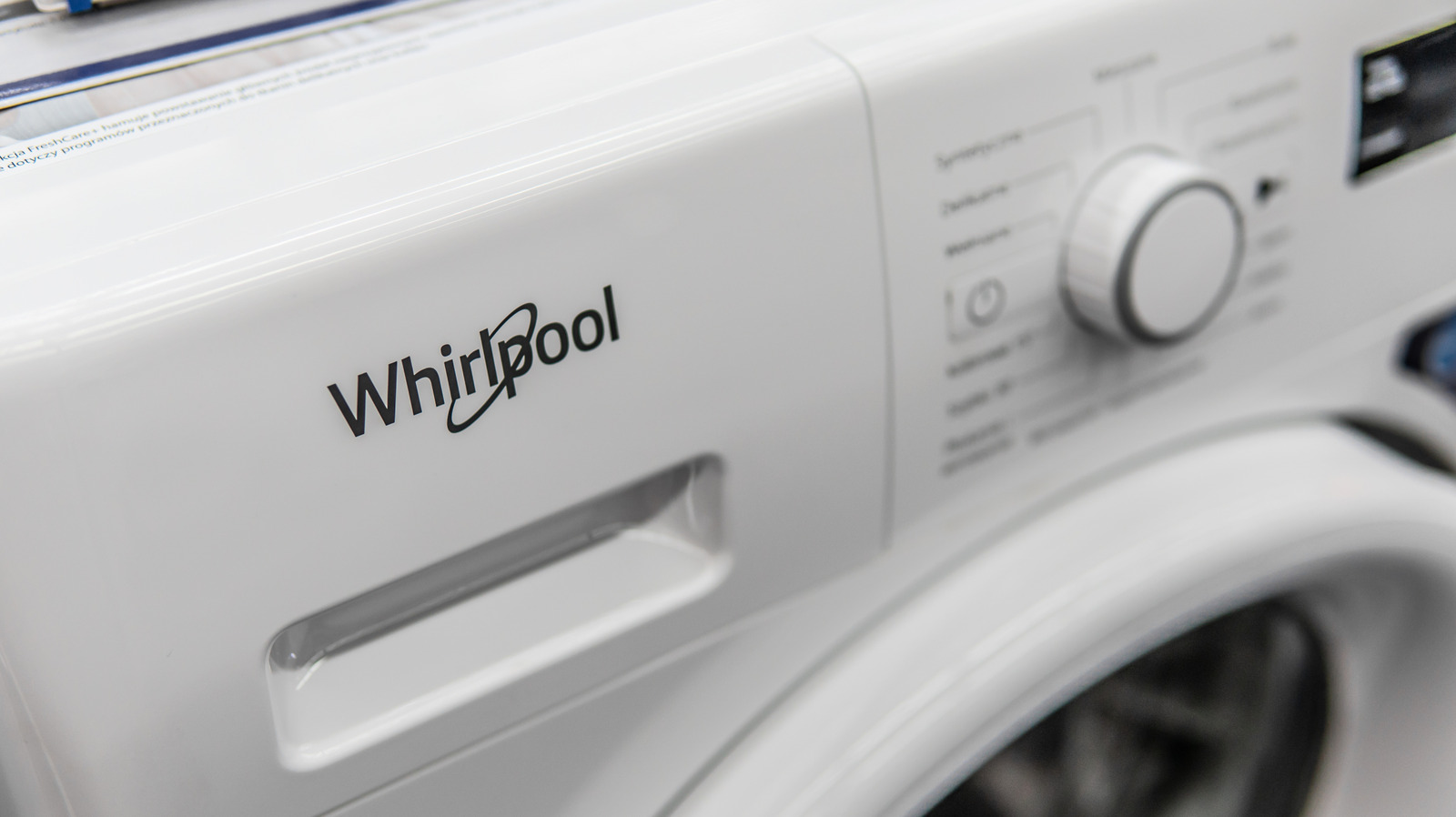
Washing machines walking across the floor sounds like a joke, but it happens a lot more than people expect. This piece breaks down the common causes, quick fixes you can try, maintenance to prevent repeats, and the clear signs it’s time to call a pro.
Most of the time a washer “walking” is simple physics wearing a mechanical disguise. An off-balance load creates strong lateral forces during spin cycles, and those forces transfer to the cabinet and feet, causing inching or hopping across smooth floors. Over time, small repetitive movements add up and the machine can end up several inches from where it started.
Installation errors are another usual suspect and they are easy to miss. If a machine is not perfectly level or the adjustable feet are loose, vibrations will find a direction to push toward. Equally common are shipping bolts left in place or missing anti-vibration pads, both of which change how the tub moves inside its frame.
Worn or damaged suspension parts make a machine much more likely to migrate. Shock absorbers, springs, or mounts that have degraded fail to dampen motion, so the washer drums swing more violently during high-speed spins. Bearings and drum supports that are worn out produce uneven motion and a persistent wobble that can shove the appliance side to side.
Floor type plays a surprisingly big role in whether a washer will stay put. Slick tile, polished concrete, and loose rugs offer almost nothing to stop creeping. Placing a washer on a solid, level surface or using durable anti-vibration pads under each foot will often end the problem quickly.
Before you reach for a toolbox, try a few practical checks that usually fix the issue. Unplug the washer and open the drum to redistribute laundry so heavy items are spread evenly, then run a test spin. Make sure the feet are tightened and the unit is level, remove any leftover shipping bolts, and add rubber or cork pads beneath the feet if the floor is slippery.
Some fixes are simple and cheap, while others mean a service call. Replacing pads or tightening feet is low cost and easy, but if the washer keeps moving after the load is balanced and the machine is level, suspect internal parts. Bad shocks, broken springs, or failing bearings are repair jobs that require tools and experience, and attempting them without proper knowledge risks bigger damage.
Safety matters. If the washer shifts suddenly during a cycle, produces loud thumping sounds, or the cabinet comes into contact with plumbing or electrical connections, stop using it and unplug the machine. Continued operation can damage hoses, create leaks, or stress the home’s wiring and structure, so cut power and schedule an inspection if problems persist.
Preventing a wandering washer is mostly about installation and habits. Have the appliance leveled when it is installed, avoid overloading or mixing heavy single items with lighter ones, check feet and pads periodically, and move the machine carefully with shipping hardware secured during transport. These small steps keep the drum behaving and your laundry area where you left it.
