
The collapse of common-sense accountability in parts of our justice system has real victims, and this piece makes the case for holding judges responsible when dangerous repeat offenders are repeatedly released. It walks through several tragic cases, shows a pattern of leniency leading to more violence, and explains a legislative response aimed at ending the revolving door and restoring safety for everyday Americans.
Too many cities have become experiments in permissive justice where repeat offenders are routinely freed and given chances to reoffend. News cycles fill up with stories of people harmed by criminals who, had judges or probation officers acted differently, would not have been walking our streets. This is not theory, it is a string of painful, preventable tragedies that demand a different approach.
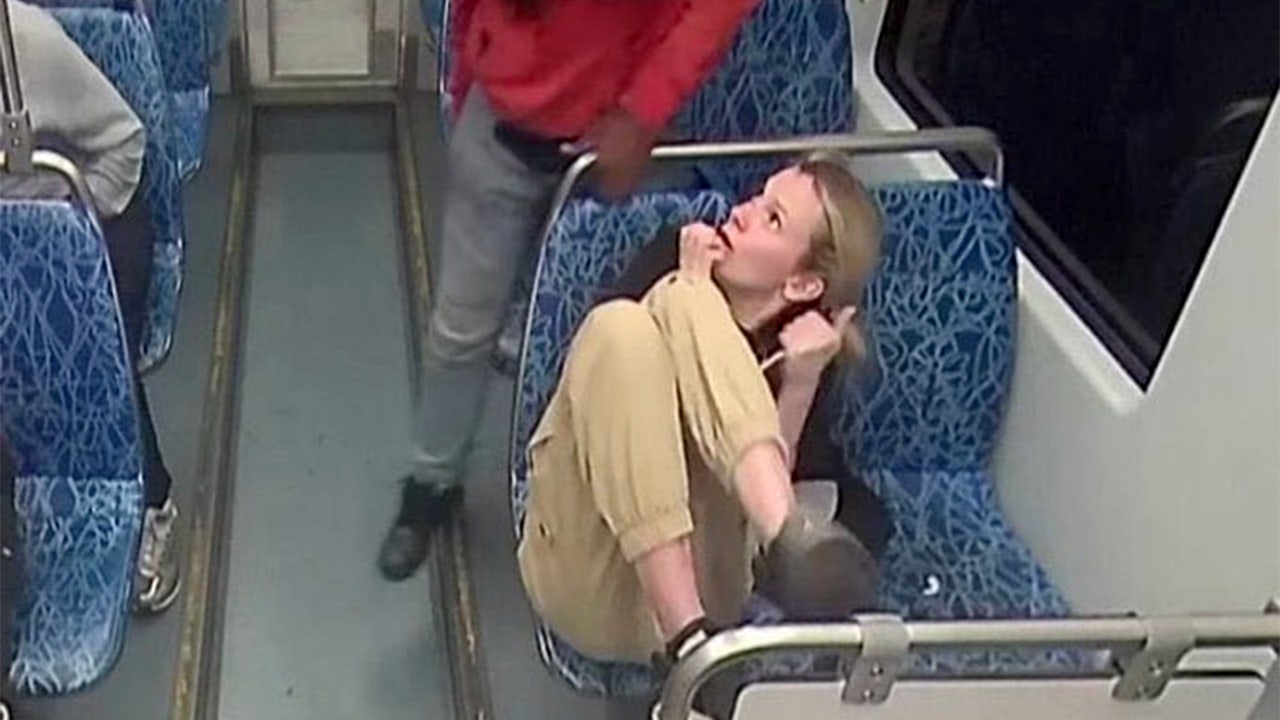
Consider the killing of 23-year-old Iryna Zarutska on the Charlotte Blue Line, a case that shocked the community and highlighted a system failure. The man charged in that murder had been arrested at least 14 times on serious charges, and his mental health was a central question at trial. When someone with that record keeps getting released, public safety pays the price.
The story of Logan Federico, a 22-year-old education student who wanted to be a teacher, is another gut punch. She was murdered during a home invasion by a suspect with dozens of past arrests and many felonies. These are not isolated statistics, they are human lives cut short while the system allowed someone with a long criminal history to remain free.
CHARLOTTE LIGHT-RAIL STABBING MURDER SPURS LANDMARK CRIMINAL JUSTICE REFORM FROM NORTH CAROLINA REPUBLICANS
In Houston a repeat offender allegedly killed Jermarkus Johnson while out on several bonds and on probation, after reportedly violating release conditions multiple times. If the offender’s bond had been revoked earlier, Johnson might still be alive. The pattern of ignoring violations and returning offenders to the public has consequences that are all too real for families and neighborhoods.
Federal authorities documented another tragic loop when a man with more than 30 prior arrests was accused of fatally stabbing a woman at a bus stop, with past charges listed as “rape, malicious wounding, assault, drug possession, identity theft, trespassing, larceny, firing a weapon, contributing to the delinquency of a minor, and pick pocketing,”. The volume and severity of prior charges make it hard to accept routine release as anything but reckless.
In Atlanta a young woman was allegedly killed and another attacked by a suspect who had previously been arrested for battery and was released early after a short jail stay and mandatory counseling that clearly did not prevent further violence. Partial sentences and abbreviated confinement are no substitute for public safety when violent behavior repeats. Communities expect the justice system to act like a shield, not a revolving door.
These cases are painful evidence that prioritizing leniency over safety fails victims and emboldens repeat violent offenders. Judges and officials must balance rights and rehabilitation, but when people with serious, repeated criminal histories keep coming back to commit more violence, the balance has tilted too far away from protecting innocent people. Americans deserve a system that takes patterns of violent behavior seriously, not one that treats repeat felonies like paperwork errors.
To address this, I introduced the “Judicial Accountability for Irresponsible Leniency Act,” or JAIL Act, which would remove judicial immunity in cases where a judge’s release decisions allow a violent repeat offender to commit additional crimes. Victims and their families need meaningful recourse when systemic decisions expose them to harm, and courts should answer if their actions contribute to deadly outcomes.
Accountability is not about punishing judges for honest mistakes, it is about ensuring decisions that repeatedly place the public at risk are not shielded from consequence. When laws or practices reward permissiveness and overlook patterns of serious reoffending, we should expect residents to demand change. Passing reasonable reforms will send a clear message: public safety is the first duty of government.
Congress and local officials must stop treating predictable violence as unavoidable and start holding the right people accountable for choices that leave communities less safe. Bring transparency to release decisions, ensure probation and bond violations carry real consequences, and make it clear that repeat violent offending cannot be brushed aside. That is how we begin to restore trust and protect everyday Americans from the preventable tragedies that have become too common.

1 Comment
I quote: “prioritizing leniency” and I say WHAT? NO,NO,NO; prioritize swift trials and EXECUTIONS for such DEVILS!
Decarlos Dejuan Brown Jr. the Murderer of Iryna Zarutska a little helpless woman sitting on the Charlotte Blue Line had been arrested 14 times for very serious crimes but Judge Teresa Stokes had let him go when in court so he could go right out and murder this innocent woman! Decarlos Dejuan Brown Jr. and Judge Teresa Stokes should both have been sent to Alligator Alcatraz and summarily executed after this evil heinous crime!