
We remember Tiananmen, call out the Chinese Communist Party’s reach beyond its borders, explain how transnational repression works, outline the threats it poses to Americans, and make the case for decisive action including legislation and law enforcement response.
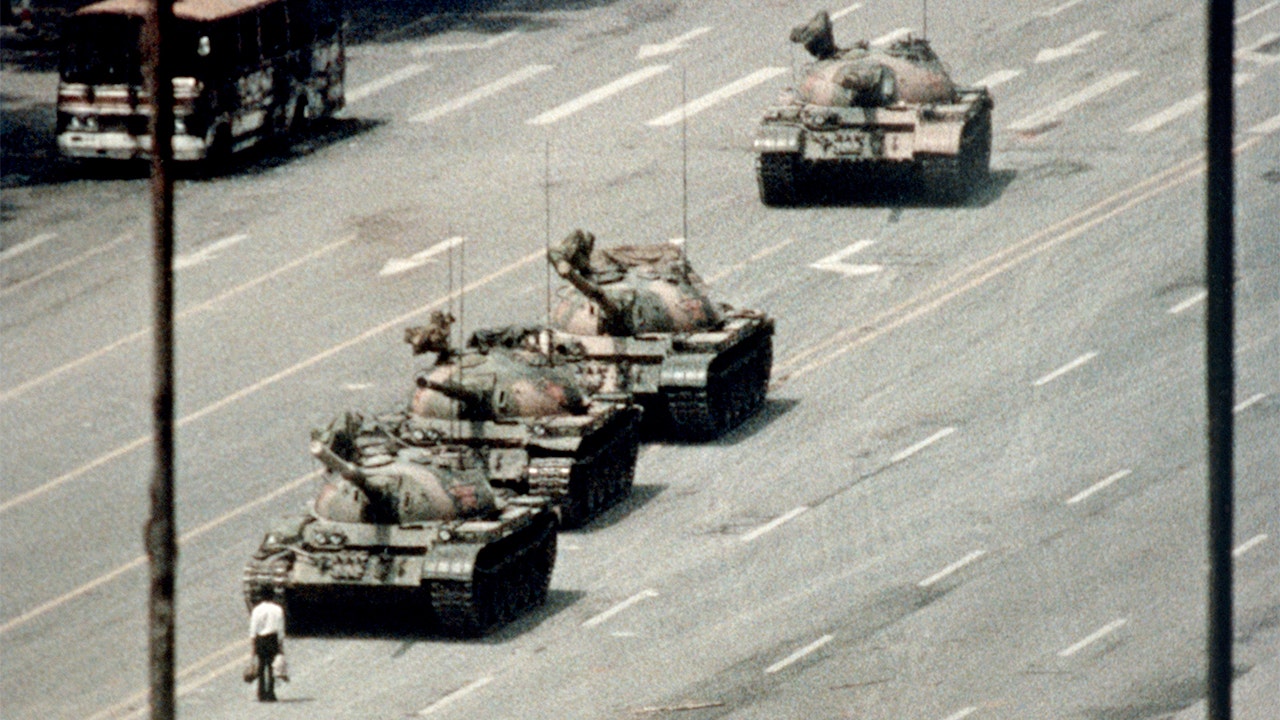
On June 4 we mark a painful anniversary when students and citizens in Beijing asked for basic political change and were met with violence. That day reshaped a generation and left a wound the Chinese Communist Party still refuses to acknowledge. The image of an ordinary person standing in front of a tank has become a global symbol of individual courage against state force.
The Party has never fully accounted for those killed, detained, or disappeared, and it spends enormous energy trying to erase that memory. Erasure at home has been matched by pressure abroad. What the CCP could not hide inside its borders it now tries to silence beyond them.
CHINESE SPY INFILTRATION: MAYOR’S BUST ADDS TO GROWING TIMELINE OF FOREIGN INFLUENCE CREEPING INTO US
The same apparatus that crushes dissent in China is now using newer tools to intimidate critics overseas. Surveillance, censorship, forced disappearances, and torture on one side now feed a global toolkit that includes doxxing, spyware, deepfakes, and threats against relatives. Those tactics are designed to weaponize fear so people stop speaking, teaching, or reporting the truth.
At home the Party relies on an ecosystem of influence to shape perceptions, silence critics, and build leverage. Programs and institutions that begin as cultural or educational outreach can morph into channels for propaganda or surveillance if left unchecked. Over time the pattern becomes clear: infiltration, exploitation, and coercion aimed at weakening open societies from within.
Transnational repression is not an abstract problem reserved for diplomats. It shows up as targeted harassment of students, journalists, dissidents, and families. It looks like private data being stolen, relatives threatened back in China, fake videos meant to destroy reputations, and illegal operations designed to intimidate people living in the United States.
These tactics sit alongside other threats that flow from Beijing’s playbook. Fraud networks that scam Americans, fentanyl that floods our streets, land purchases near sensitive sites, attempts to influence politicians and elections, and theft of personnel, biometric, and intellectual property all serve a broader strategy. The goal is to exploit our openness, collect leverage, and punish those who resist.
Local and state institutions are often the first line of defense. A victim might call a local police department, a student might report a threat to a campus official, and a state attorney general might begin to see a pattern. But many local actors lack training or legal tools to recognize or respond to a transnational campaign of intimidation. That gap lets abusers keep operating under the radar.
We need a clear, coordinated response that arms law enforcement, universities, and state leaders to protect people here at home. That means training, better information sharing, and targeted legal authorities that fit this modern threat. It also means making sure communities under pressure receive culturally competent support so victims can come forward without fear.
I am working with leaders across the aisle to build a stronger framework to confront this problem through the Transnational Repression Policy Act. That effort focuses on defining the abuse, improving coordination across governments, training officials, supporting targeted communities, and holding perpetrators accountable. This is practical, bipartisan work that puts real tools in the hands of those who need them most.
If the CCP uses threats here it must face investigations and prosecutions, and if it reaches back into China to hostage family members the United States must respond with sanctions and diplomatic pressure. When Beijing tries to censor voices or erase memories the right response is to defend free speech, religious liberty, peaceful assembly, and the right to remember. Standing up for those freedoms is how we push back on coercion.
A government so afraid of a student question or a memorial is revealing its weakness. Fear in a dictatorship becomes coercion that crosses borders and touches our communities. In the United States people do not need permission from any Party to speak, worship, protest, remember, or be free, and that freedom is worth defending with clarity and resolve.
