
Exxon’s leaders are ringing alarm bells: inventories that kept oil prices tame are vanishing, the Strait of Hormuz disruption has cut flows, and models point to a sharp crude surge that would ripple through the economy. Executives say the market has been living on temporary buffers and once those stop holding, prices will move fast and hard. The warnings matter because the physical reality under the futures market could force rapid changes in fuel costs, business decisions, and monetary policy.
Through the spring futures barely budged while the real oil supply picture worsened. Tanks emptied and vessels that left loaded returned light, bleeding away the spare oil that normally cushions shocks. Exxon has been watching those buffers drain and its public comments reflect a company sizing up how thin the safety net has become.
On its first-quarter call ExxonMobil CEO Darren Woods told Wall Street analysts that markets haven’t absorbed the full impact of the Iran conflict and the Strait of Hormuz closure. “There was a lot of oil in transit on the water, a lot of inventory on the water that has been deployed in the first month of the conflict. Strategic petroleum reserves have been released, commercial inventories have been drawn down,” he said. Woods made clear that the timing of a price break is tied to when those sources are exhausted.
Woods argued the market has been surviving on borrowed time since late February, and that once one supply channel runs dry, crude will head higher while the strait remains closed. The implication is blunt: price direction is less a matter of sentiment and more a function of physical barrels. That leaves traders and policymakers playing catch-up to a reality already unfolding offshore.
Later, Senior Vice President Neil Chapman gave more pointed timing and targets at a conference in New York. “We’re approaching unheard of inventory levels. I mean, really, really low levels,” he said, adding, “You can debate whether that’s going to hit those really low levels in two weeks or three weeks.” Chapman framed the drawdown as a countdown clock for a sharp price response.
Chapman spelled out what the models actually show. “Once you get to that point, then you’ll see price shoot up. A model would say dated Brent will shoot up, up to $150, $160. The models would tell you that,” he said. That is not presented as bravado but as the output of structural supply-and-demand simulations if spare capacity and inventories vanish.
Exxon emphasizes that the price band around $90 to $110 recently has been maintained by one active mechanism: burning through crude, gasoline, diesel, and jet-fuel stocks. Once that lever is gone, the adjustment comes through price until demand destruction restores balance. In plain terms, households and businesses will feel it quickly, and market-clearing forces will then reshape consumption patterns.
Chapman also pointed to a less obvious patching action that has helped mask losses: sanctioned barrels and opportunistic flows that were already at sea. “I think what people appreciate less [is] there was a lot of sanctioned crude oil on the water. In other words, unsold,” he said, noting those supplies temporarily softened the blow. Relying on such sources is a stopgap and cannot substitute for steady, legitimate capacity growth.
Venezuela features in that mix. Exxon has teams on the ground for the first time in nearly two decades to assess whether Venezuelan output can attract investment again. Current production sits near 800,000 barrels per day versus a historical peak above 3 million, so any recovery would be incremental and take time to influence global balances meaningfully.
The Strait of Hormuz itself is central because it normally carries about 20% of daily global oil flows. Since the conflict began, tanker transits through the strait have plunged to less than 10% of normal levels. Saudi Arabia has leaned on an East-West pipeline pushing up to 5 million barrels per day toward the Red Sea, but that workaround has finite scope and the cumulative loss from the region has already reached very large numbers.
Key metrics underline the squeeze: global supply slid to roughly 95.1 million barrels per day in April, down by double-digit millions since February, while gulf output sits substantially below pre-war levels. Exxon faces direct operational exposure too, with damaged LNG trains contributing to production impacts. The International Energy Agency’s demand forecasts show some contraction as higher prices bite, but that demand destruction is the blunt mechanism that limits a crude spike.
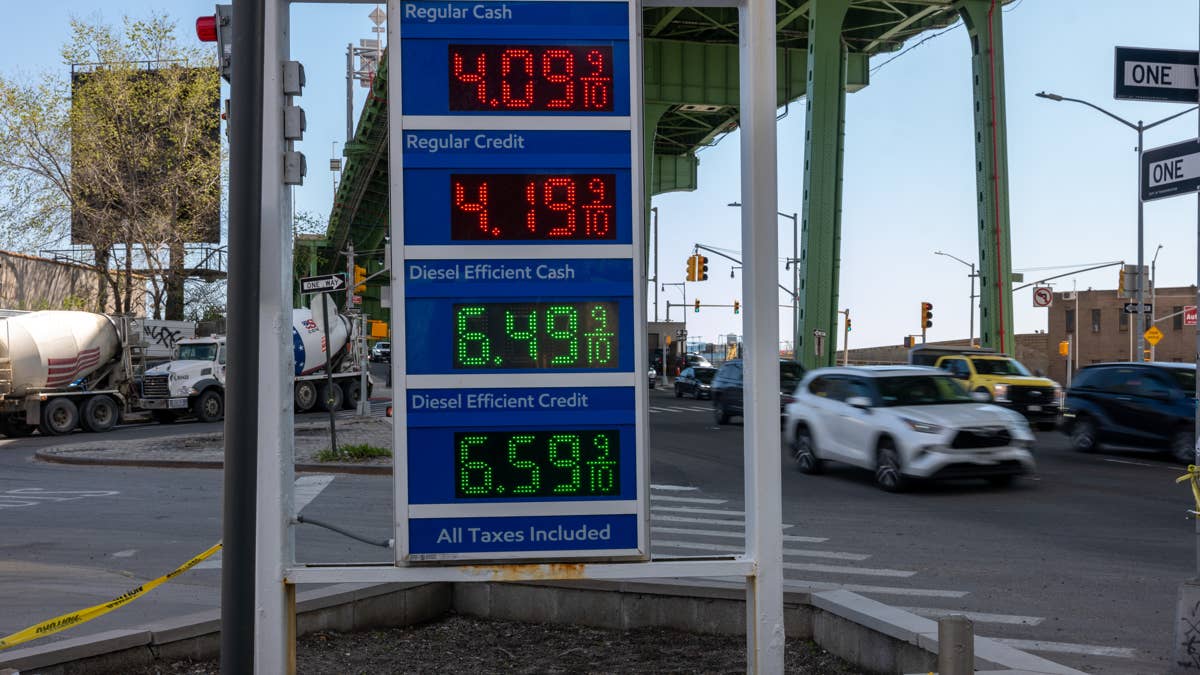
A surge toward $150 to $160 per barrel would transmit quickly into consumer pain and broader economic effects. Fuel costs jump within weeks for airlines, shippers, and drivers, and manufacturers face higher input bills that can stunt investment. Higher headline inflation from energy alone can push central banks to keep rates higher for longer, tightening financial conditions at a time when growth is fragile.
For investors, energy names could gain from the price move while rate-sensitive sectors lose ground. The real takeaway is structural: the Strait of Hormuz disruption is not a niche risk. It is a variable with the power to reshape markets, corporate plans, and living costs across the global economy.
