
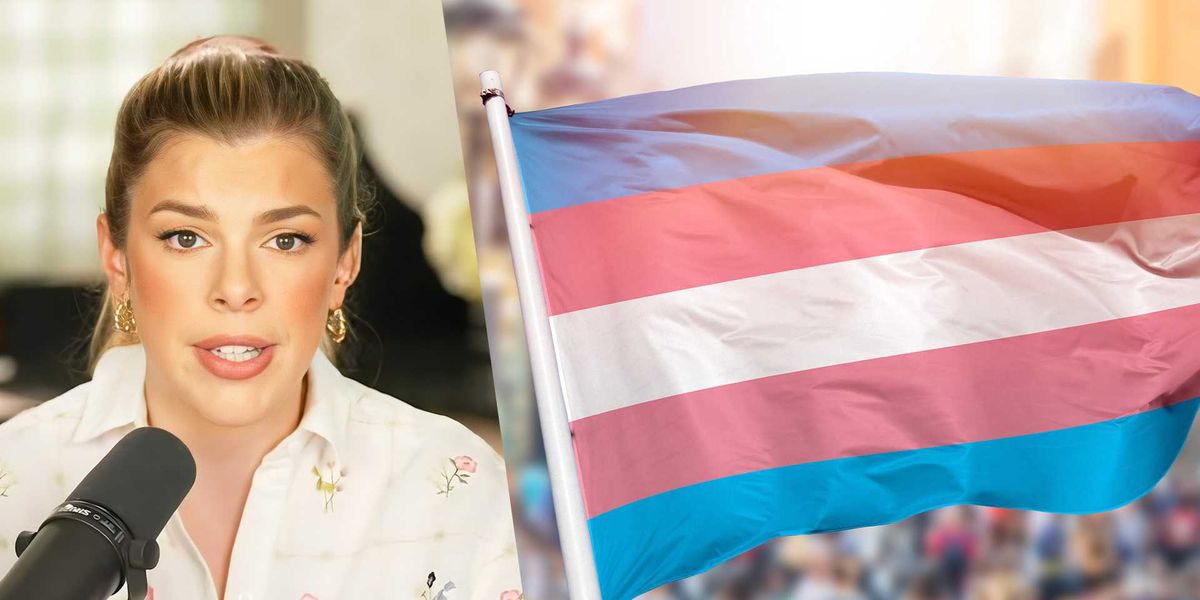
Boston is spending taxpayer dollars to back an event called Trans Period Pride that includes a discussion on menstrual equity, a catered dinner, and free period underwear, even as the city faces a multi-million dollar shortfall. This piece pushes back on that choice and on other recent city-backed LGBTQ+ programs that drew public anger. It lays out concerns about priorities, accountability, and the message being sent when municipal money supports niche, identity-focused programming.
On June 17, Mass NOW and the MA Trans Political Coalition will stage the third annual Trans Period Pride, billed as a “consciousness-raising” gathering. Organizers promise conversation about menstrual equity and the experiences of trans menstruators, plus a catered meal and complementary period underwear for attendees. Those details read like a private community meet-up, except this one has the city’s name stamped on it.
Mayor Michelle Wu’s Office of LGBTQ+ Advancement is listed as an official co-sponsor, and that matters because the office pulls in nearly $1 million a year from the city budget. With a nearly $50 million deficit looming, many taxpayers see a huge mismatch between pressing fiscal realities and what the city chooses to fund. The reaction is predictable: citizens asking whether municipal coffers should bankroll niche programming while basic services and budget stability are on the line.
Conservative commentator Allie Beth Stuckey publicly reacted with disbelief after spotting the event advertisement and admits she had to do “a double take.” She asked a pointed question about who the gathering is actually serving, wondering whether it targets “women who identify as men” who still have menstrual capacity or men who claim menstrual experiences after hormone treatments. Her confusion echoes a wider public unease about how identity terms are being used and monetized in government-sponsored settings.
Stuckey’s line of questioning included the exact words: “[Are we] talking about women who identify as men, still have their uterus and their eggs, and so they’re having periods? … Or are we talking about the men that I’ve seen on social media who claim because of the synthetic hormones that they’re taking to try to look more like women that they have some kind of menstrual cycle, even though you don’t have a uterus or eggs or any ability to menstruate?” That quote has been a centerpiece of the online pushback and drives at a core skepticism about the event’s claims.
She called the whole situation “funny, but it’s sad.” That blunt reaction captures how many conservatives view public dollars spent on symbolic, identity-driven events when families, schools, and municipal services are watching their budgets tighten. Critics argue the city should prioritize tangible needs like public safety, infrastructure, and fiscal stability over sponsored activism wrapped in social services.
The Trans Period Pride event is not happening in isolation. Earlier this spring, the Office for Immigrant Advancement worked with a nonprofit on a program that proposed small wellness stipends for low-income LGBTQ+ migrants to spend on things like yoga, massages, and creative healing. That proposal prompted immediate backlash and was paused within days, showing that public tolerance for certain government-funded perks has limits when money is tight.
People on the right see a pattern: programs that read as lifestyle subsidies or identity validation are being elevated to municipal priorities while core responsibilities get squeezed by deficit math. “The city faces a budget deficit of nearly $50 million, but sorry, the transgender people need their period underwear. The queer asylum-seekers need their yoga classes, okay?” That line has become shorthand for the argument that priorities are out of whack.
At the end of the day, this is a debate about accountability and common sense budgeting. If Boston wants to support marginalized communities, it should do so in ways that advance measurable outcomes and do not provoke taxpayer resentment. Public officials who authorize these kinds of sponsorships need to explain how each dollar directly improves basic services or economic health for the broader community.
For viewers curious about the broader cultural take on Pride Month and these municipal decisions, Allie Beth Stuckey’s segment offers a longer critique and context. To hear her full 2026 Pride Month breakdown, watch the episode above. The controversy in Boston will keep running as long as city leaders keep choosing projects that look symbolic instead of solving hard fiscal problems.
