
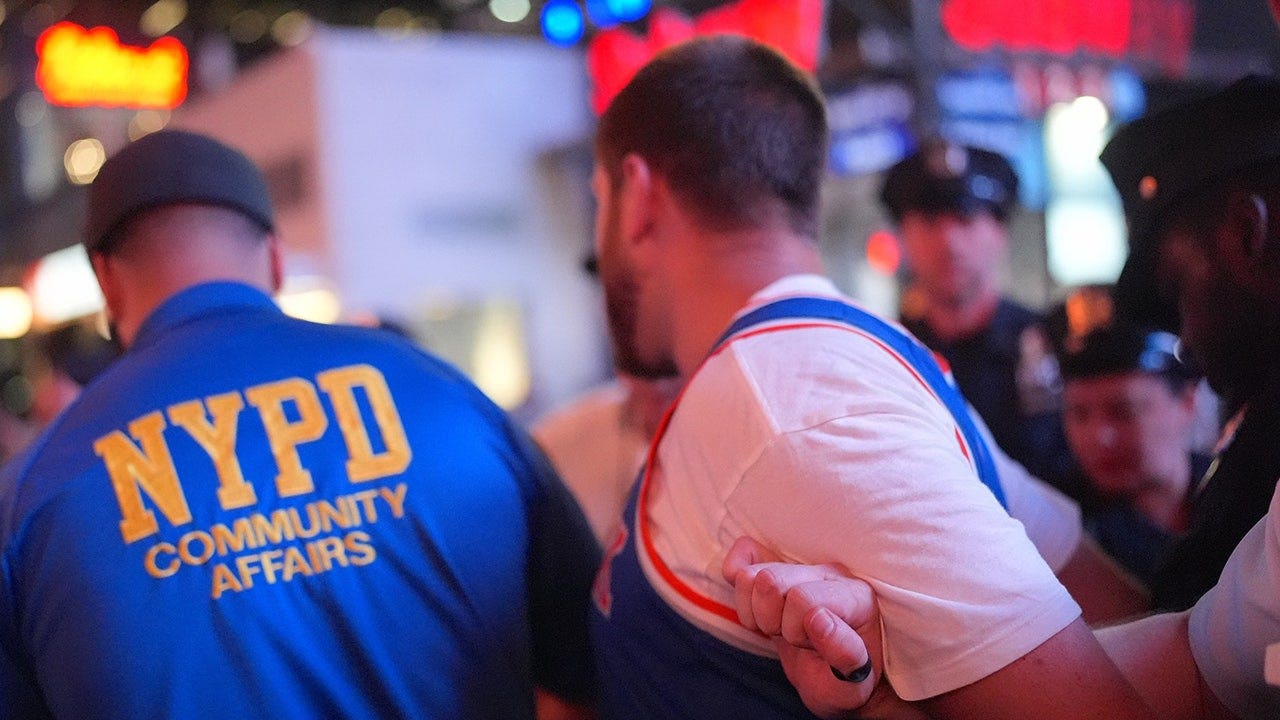
The New York Knicks’ Game 2 Finals victory set off a night of celebration that turned chaotic in spots, prompting the NYPD to report 17 arrests after fans flooded streets and nearby areas. Authorities said one person allegedly struck an officer during the postgame scenes, and police moved to reassert control as crowds grew. This piece walks through what happened, how law enforcement responded, and what it might mean for future games and public safety in Manhattan.
The NYPD reported 17 arrests after the New York Knicks’ Game 2 NBA Finals win over the San Antonio Spurs, with one allegedly striking an officer. Officers described a mix of arrests tied to disorderly conduct, public intoxication, and assaults. Video from the night shows parts of the celebration spilling beyond the arena into nearby blocks, where converging fans and vehicles created tense moments.
Police said their officers were on pre-planned patrols and had units staged to handle the large crowds, but the scale of postgame activity stretched resources. Several arrests involved people who, according to police accounts, were directly obstructing officers or failing to disperse. One individual was accused of striking an officer, a charge that often brings immediate detention and a quick escalation in how police manage a scene.
Scenes outside the arena included fans chanting and honking, while other pockets of the crowd grew louder and less controllable as the night went on. Bystander clips circulated showing both jubilant cheering and tense confrontations near transit hubs where people tried to leave quickly. Authorities say those mixed dynamics can flip a festive night into one where safety measures become necessary to prevent further injuries.
City officials emphasized that public safety remains a priority when major sporting events draw packed crowds into small urban spaces. The presence of mounted units, large police contingents, and traffic control measures is common at Finals games, but large spontaneous gatherings are harder to predict. Officials noted they will review the night’s operations to see what could be done differently to keep celebrations peaceful while avoiding heavy-handed responses.
Fans and local business owners described a night of extremes, with many celebrating responsibly and others getting swept up in riskier behavior. Some witnesses criticized what they saw as overreaction in certain moments, while others praised officers for preventing the situation from getting worse. Those competing perspectives often appear after big games, reflecting the tension between public celebration and the need for orderly crowds where streets and transit must keep moving.
Legally, people arrested for allegedly assaulting officers or committing violent acts face immediate consequences, including charges that carry serious penalties. For those cited for drunkenness or disorderly conduct, the outcomes can range from fines to short detentions, depending on the case. The NYPD typically follows up with investigations that shape whether prosecutors pursue charges beyond summary offenses.
Looking ahead to further playoff nights, planners are likely to beef up visible policing, coordinate with transit authorities, and push messaging about responsible behavior. Team officials and city representatives often use these moments to remind fans about safe celebrating, with targeted campaigns aimed at keeping streets clear and protecting both civilians and first responders. How fans respond will influence whether future games bring more cheers than confrontations.
