
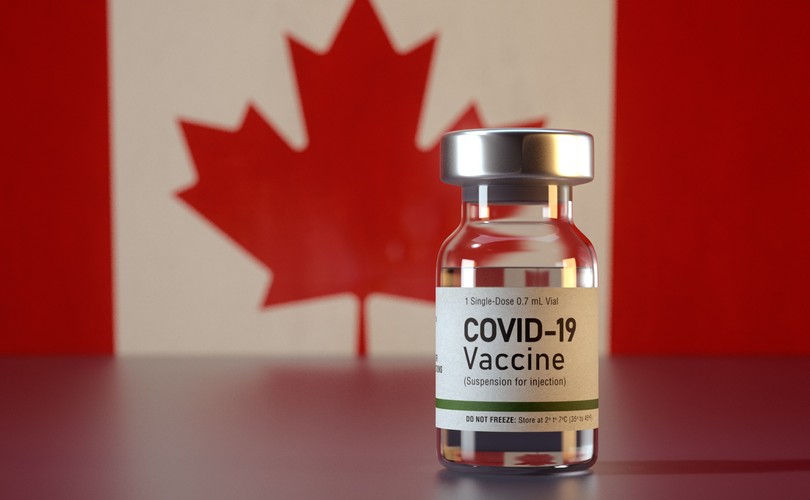
Conservative MP Dean Allison is pushing for a national public inquiry so people who say they were harmed by COVID jabs can tell their stories and be heard. This piece looks at why an inquiry matters, what survivors and families want, and the larger questions about transparency, medical consent, and accountability. It lays out the political view that a fair, public forum is the only way to restore trust and ensure policies protect individuals going forward.
Dean Allison’s call taps into a simple idea: if people claim harm from a government-endorsed program, they deserve a public hearing. That demand isn’t about scoring points, it’s about giving voice to citizens who feel left in the dark. Republicans and Conservatives often stress individual rights and due process, and a national inquiry fits squarely within that framework.
Families who believe they lost health or loved ones after taking the jabs want a transparent process where evidence can be reviewed openly. They want experts questioned in public, not behind closed doors or in dense technical reports that most people can’t parse. An inquiry would force accountability from institutions that pushed policies and from regulators that cleared the way.
There’s also a practical purpose: public hearings can collect testimony and documentation that would otherwise be scattered or suppressed. Medical records, anecdotal experiences, and expert analysis all deserve a structured place to be examined. Without that, questions linger and suspicion festers, which weakens public trust in future health guidance.
Critics will say an inquiry risks politicizing medicine and stirring fear without cause, but openness is the antidote to that risk. Let the data and testimony speak in daylight where citizens can see how decisions were made. If policymakers and scientists handled things properly, a public forum will vindicate them; if not, reforms will be obvious and necessary.
Part of the Republican argument is about consent and informed choice. When governments encourage or mandate medical interventions, people must have clear, honest information to make decisions. A national inquiry can assess whether consent was properly informed and whether coercive tactics crossed ethical lines during the pandemic response.
Another dimension is compensation and care for those who claim injury. If an inquiry uncovers gaps in support for affected individuals, it can recommend a fair compensation framework and better treatment pathways. That’s not just compassion, it’s responsible governance: if risks were underestimated, citizens deserve a system that addresses consequences.
We should also demand clarity on the role of pharmaceutical companies, regulators, and advisory panels. An open investigation can explore conflicts of interest, product approvals, and the balance between speed and safety in emergency situations. Clearing the fog around those relationships is essential to prevent similar lapses in future crises.
Public testimony has a moral force that paperwork does not. When real people step up and tell their experiences, it challenges institutions to respond with humility and corrective action. Republicans value the public square as a place where accountability is visible and leaders are answerable to voters.
Calling for an inquiry does not mean rejecting vaccines wholesale or denying the pandemic’s toll. It means insisting on transparency, respect for individual rights, and a process that treats alleged harms seriously. Dean Allison’s proposal is a straightforward demand: let people speak, let evidence be examined, and let the country learn how to do better next time.
