
The U.S. built export controls to keep its most advanced AI chips away from adversaries, but a structural loophole let players slip gear through overseas subsidiaries. New Commerce guidance tightens the rules, but it stops short of the full verification regime critics say is needed. That gap may have let powerful chips circulate where they should not, and Washington faces pressure to close it fast.
Washington’s export regime was designed around where companies are headquartered, not who ultimately calls the shots. That choice created an opening: a firm with ties to a restricted country could set up shop in a neutral nation and buy gear its parent could not. It sounds like a paperwork trick, but in the world of AI superchips that trick turns into capability for rivals fast.
The Commerce Department’s Bureau of Industry and Security issued new guidance clarifying that subsidiaries of companies based in U.S. arms-embargoed nations require export licenses no matter where they operate. That guidance repeats a requirement that had been on the books for a while, but enforcement had been murky and questions poured in about whether the rule was still being applied. For Republicans who pushed for clear, enforceable rules, the update was necessary, but it did not finish the job.
Ending the prior administration’s diffusion framework removed red tape, which is fine when you trust the supply chain, but it also left a vacuum. When the stricter Biden-era framework was scrapped, the fallback rules went soft in practice and purchases during that window were not subject to clawback. Less bureaucracy is sensible, but loosening oversight without lock-in invites bad actors to act quickly and quietly.
Former State Department official Chris McGuire, who helped shape export rules, Sunday, writing that “Chinese companies have been buying these chips, very likely at scale.” That’s the alarming part: if those buys happened while enforcement was lax, the chips are already overseas and do not have to be returned. Policymakers now face the messy reality of what to do about equipment that changed hands during a regulatory blackout.
The new guidance does not restore a separate safeguard the reviewers once demanded: a requirement that offshore chip manufacturers verify who stands behind a purchase. Without that verification, a downstream firm can look legitimate on paper while being controlled from afar. Critics warn that failing to demand proof-of-ownership leaves the door open for the exact kind of channeling the rules were supposed to stop.
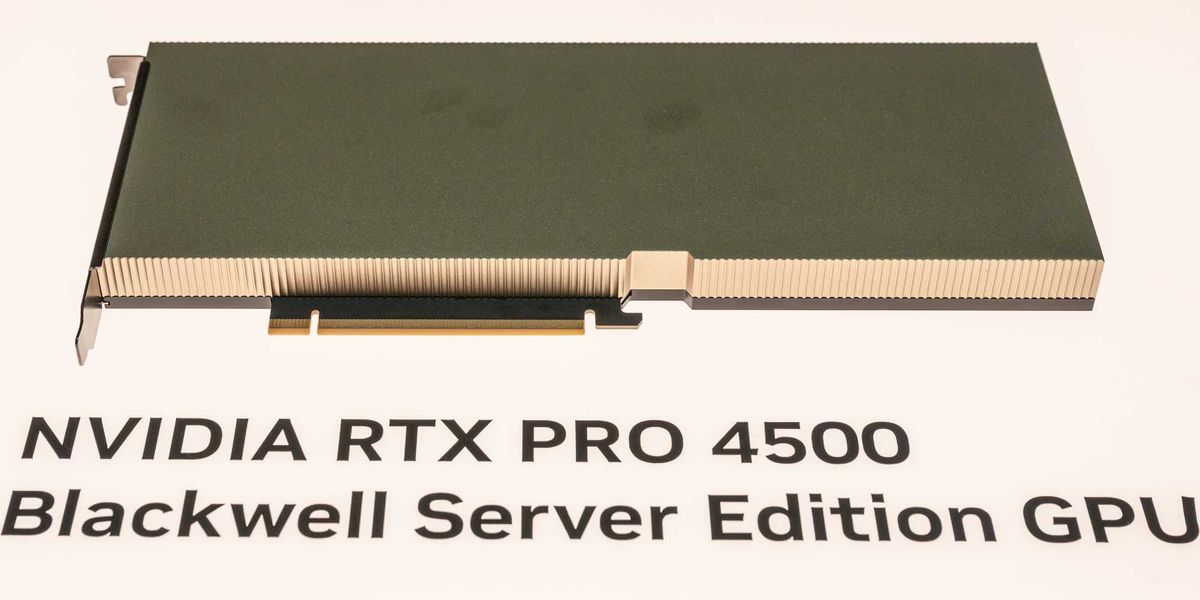
There was also a high-profile carve-out on the commercial side. A December deal allowed sales of a scaled-down Nvidia part called the H200 under a revenue-sharing arrangement, but Beijing reportedly never authorized the purchases. At the same time, the Blackwell family of chips, which defense analysts say could underpin next-generation systems, allegedly found routes past controls. That inconsistency undermines trust in any selective licensing scheme.
‘The new Blackwell that just came out, it’s 10 years ahead of every other chip. But no, we don’t give that chip to other people.’
Companies pushed back, saying their sales and vetting were correct and that domestic chip capacity in some countries already meets much of their needs. Nvidia publicly insisted it followed clarified rules and argued that rivals have their own supply, but those assertions will not calm officials worried about strategic surprise. The company did not respond to some press inquiries on timing and channeling questions.
https://x.com/ChrisRMcGuire/status/2061122158571520449
Lawmakers and regulators arguing from a conservative perspective say the fix is obvious: keep American tech leadership by tightening enforcement where it matters, insist on proof of ultimate beneficial ownership, and punish firms that exploit loopholes. That pragmatic, tough-minded posture treats chips as national security assets while preserving the competitive, innovation-friendly environment Republican leaders say the country needs. The coming weeks will show whether the commerce guidance is the first step or just a Band-Aid.
