
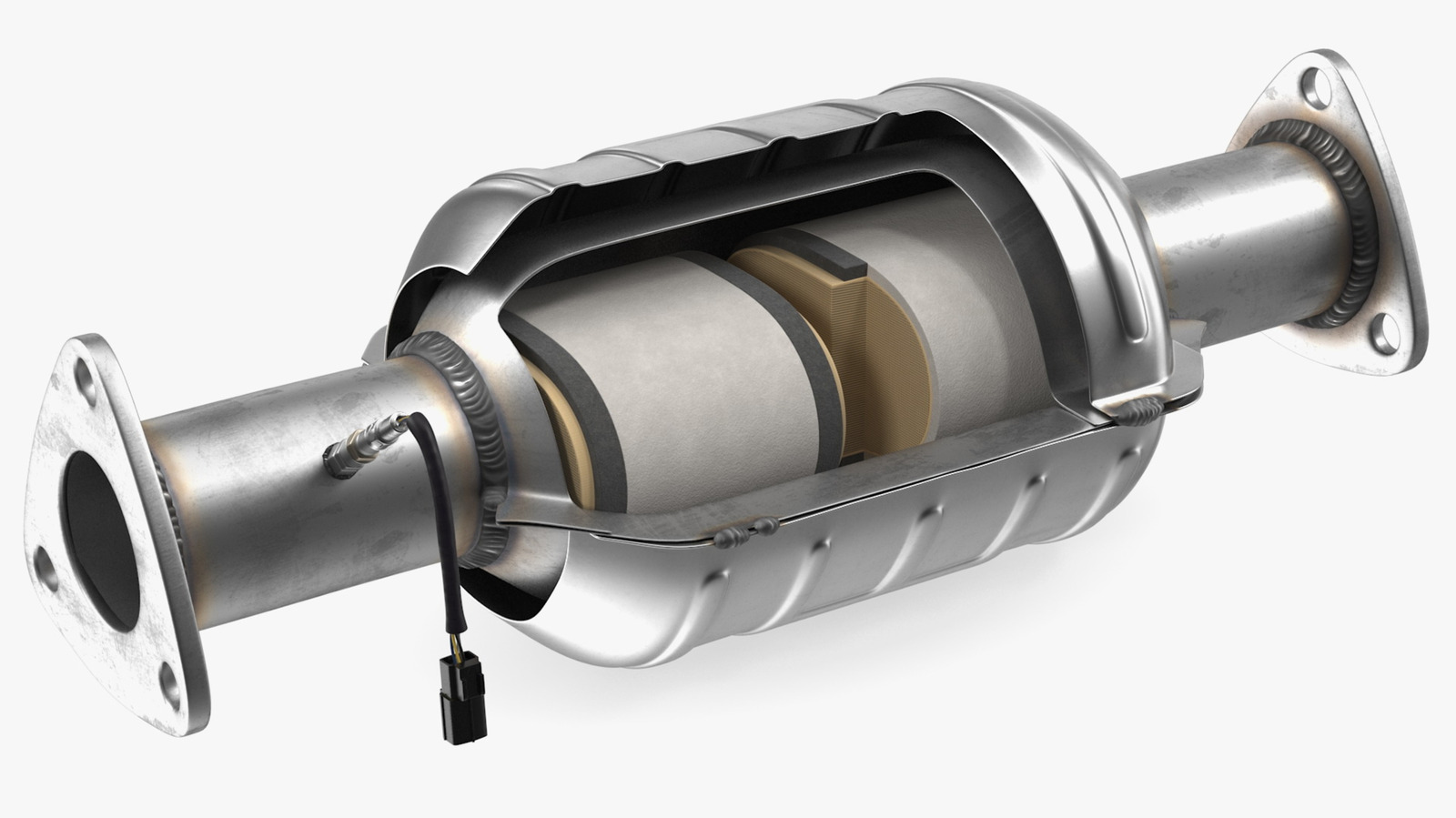
Your catalytic converter matters: this article explains why it can fail, how to spot trouble, what to expect for repairs, and practical steps to avoid expensive surprises.
The catalytic converter is supposed to keep going for your car’s life, but reality doesn’t always cooperate. Over time heat, contamination, physical damage, and theft can turn that lasting part into an urgent repair. Knowing the causes and signals of failure helps you act fast and avoid being stranded or hit with a big bill.
A common failure route is contamination from bad engine performance. If your engine burns oil, runs rich, or leaks coolant into the combustion chamber, deposits build up on the converter’s delicate ceramics and metal surfaces. That fouling chokes the unit and cuts catalytic efficiency, which shows up as poor fuel economy and higher emissions test readings.
Physical damage is another real threat, especially from road debris or impacts. The internal substrate can crack or break free, causing rattling noises and uneven exhaust flow. Even minor dents in the housing can create hotspots that accelerate deterioration and reduce the converter’s life span.
Theft remains a growing headache because converters contain valuable metals. A quick jack-and-cut job under a parked car can leave you with a loud exhaust, failed emissions, and an immediate repair bill. Parking in well-lit, secure spots and installing theft-prevention devices are simple steps that cut the odds of becoming a target.
Driving symptoms often tip you off before a complete failure. Listen for new rattles under the car, feel for sluggish acceleration, and watch for the check engine light tied to emissions or oxygen sensor faults. A stalled catalytic converter can even cause engine misfires and rough idling that get worse over time.
When it’s time to diagnose, technicians rely on smoke tests, backpressure checks, and OBD-II codes. These tests reveal whether the converter is clogged, damaged, or simply not processing exhaust correctly. Knowing the real problem prevents unnecessary replacement and helps you weigh repair versus full replacement options.
Replacement cost varies widely depending on make, model, and whether you choose a factory or aftermarket unit. Original equipment parts cost more but match the car’s specifications exactly, while quality aftermarket converters can be a budget-friendly alternative. Labor plays a big part of the total, so shop around for reputable shops that offer clear warranties.
Repair alternatives include cleaning in mild contamination cases and repairing heat shields or exhaust leaks that mimic converter issues. Cleaning isn’t a miracle cure and often only delays the inevitable if the substrate is damaged. Still, for some older cars, a targeted repair can extend usable life long enough to plan a replacement on your terms.
Preventive habits help a lot: keep your engine well-tuned, fix oil and coolant leaks promptly, and use the recommended fuel and oil. Avoiding frequent short trips that don’t let the exhaust system reach operating temperature reduces condensation and buildup inside the converter. Routine inspections during oil changes or service visits catch issues early when they’re cheaper to fix.
If theft is a concern where you live, consider protective measures like high-clearance parking plates, welding the fasteners, or using a cage-style shield. Some owners install visible deterrents or use alarm systems that sense vibration under the car. These steps won’t stop professional thieves in every case, but they raise the difficulty and lower your risk.
Finally, keep repair records and emissions receipts—having documentation helps if you pursue warranty coverage or insurance claims after theft. When choosing parts and shops, prioritize clear communication and written guarantees so you understand what’s covered. With informed choices and basic prevention, you can keep your catalytic converter working longer and avoid sudden, costly surprises.
