
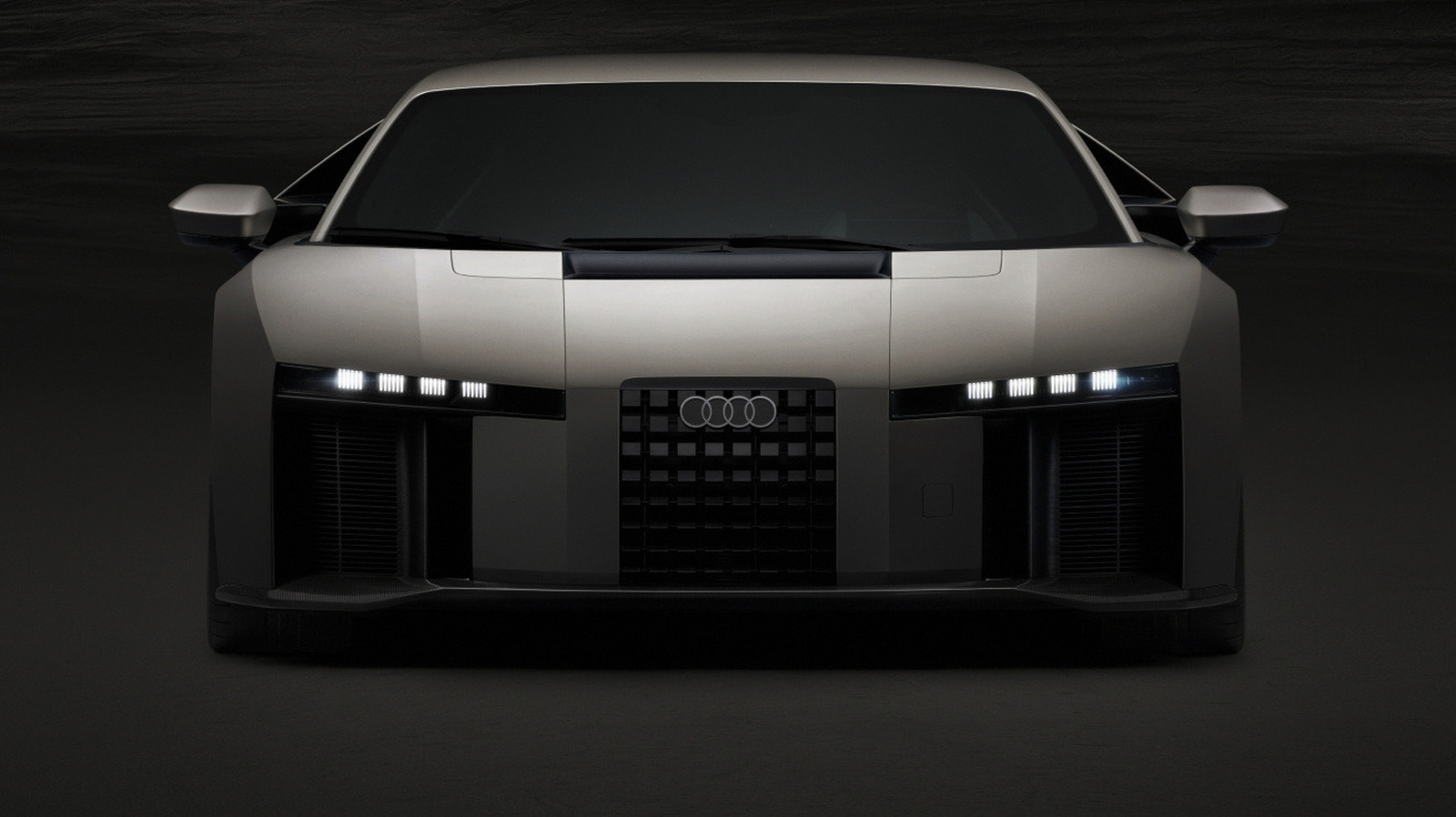
The new Audi blends minimalist Bauhaus lines with a raw gas-electric drivetrain to make a car that looks calm and hits like a hammer. This piece walks through the design choices, the performance intent, the cabin experience, and why Audi is leaning into bold moves instead of safe ones.
Audi’s latest design feels like a reset. The silhouette is stripped down, surfaces flow without fuss, and every crease seems to demand a purpose rather than ornament. That clean, functional aesthetic borrows from Bauhaus ideas: form driven by function, not fashion. The result is a car that reads modern in a way that refuses to shout for attention.
Underneath the reserved bodywork, the architecture is anything but timid. A gas-electric pairing gives the car a broad torque band and usable power that refuses to be polite. Instead of chasing hyperbole with wild styling, Audi chose to let performance speak through the way the car feels on the road. That approach puts substance over spectacle and challenges the notion that understated design means meek performance.
Driving this Audi is about contrast. At low speeds the electric assist makes the experience smooth and nearly silent, ideal for city runs or relaxed cruising. When you ask for more, the gas engine steps in with an authoritative surge that the chassis is tuned to handle. The interplay between the two systems is calibrated so that the car never feels confused about its intent.
Inside, the cabin continues the minimalist language. Controls are pared back to essentials, materials are chosen for tactile honesty rather than flash, and the instrument layout prioritizes clarity. The cockpit feels intentional, like a well-designed tool where everything is where it needs to be. That kind of restraint brings a fresh clarity to how drivers interact with technology and performance.
Where this Audi stands out is its refusal to play it safe in either design or engineering. Many automakers hedge their bets, adding decorative features to mask compromises. Audi seems to have done the opposite, committing to a clear design philosophy while fitting a drivetrain that delivers muscular capability. It is a strategic bet that buyers will value coherence over gimmicks.
Packaging and usability also matter here. The hybrid setup is arranged so that everyday practicality is preserved; trunk space and cabin layout are not sacrificed to performance theater. Owners get a car that works in daily life but transforms when the road invites it. That duality is what makes the car compelling to people who want one vehicle to do many things well.
From a market perspective, this move signals a shift. Audi is positioning itself to compete on design integrity and driving substance, not just headline technology. That could reshape expectations across the segment, nudging rivals to think harder about how style and power can coexist without one undermining the other. For buyers, it opens a choice that feels thoughtful rather than forced.
There is a clear tension at play and it is a good tension. Minimalist design frames bold mechanical choices, and the combination keeps the car interesting without resorting to extremes. Audi’s gamble is visible in every clean panel and every purposeful rev, and it might be exactly the kind of shakeup the luxury segment needs right now.
