
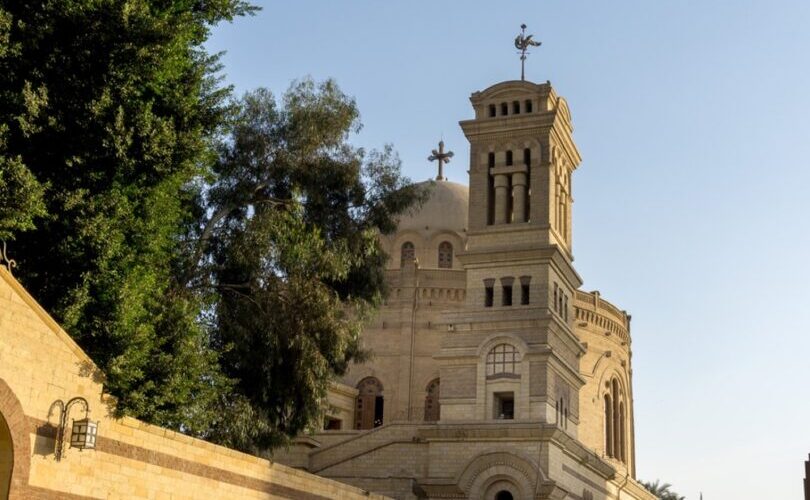
Egypt has moved to give legal recognition to 191 churches that for years functioned without formal authorization, a step officials say corrects long-standing regulatory bottlenecks and brings those communities under official oversight while raising new questions about religious freedom and state control.
This decision follows decades where churches, often in poor or rapidly growing neighborhoods, operated without formal permits because of strict building and registration rules. Officials frame the approvals as a practical fix to an outdated system that left many congregations in limbo. Locals welcome the clarity that comes with legal status, but some worry about strings attached.
For congregations, legal recognition means access to basic services and protection under the law. Many will now be able to repair buildings, register as organizations, and operate more openly without fear of shutdown. After years of informal worship, that stability is a real, tangible change for families and community leaders.
From a governance angle, the move looks like a win for rule of law and bureaucratic sanity. Rather than punishing churches for technicalities, the state is choosing to fold them into the system. That approach reduces friction and creates predictable procedures for everyone involved.
Still, the path to recognition was long and uneven, which underlines deeper questions about how the state treats religious minorities. Regulations that required approvals, inspections, and approvals from multiple agencies have historically favored inertia over fairness. Changing paperwork does not automatically erase decades of distrust or the practical hardships those communities endured.
There are political and social dimensions that matter beyond forms and certificates. Some activists hope this will open space for greater civic participation and reduce the need for leaders to navigate gray zones. Skeptics point out that legal status can also be used as leverage by authorities who want to limit speech or control leadership choices.
International observers and faith leaders are watching how the new status will be implemented at the local level. Successful implementation would mean meaningful benefits: safer buildings, clearer property rights, and better access to services for congregants. Failure would look like continued restrictions and a paperwork-heavy system that leaves communities vulnerable.
Practical hurdles remain. Many churches will need resources to meet building codes, register as entities, and train administrators to comply with reporting rules. That will require cooperation between state officials, local authorities, and church communities, and it will test whether the approvals are more than symbolic.
For conservative-minded observers, the development is a reminder that protecting religious practice often depends on clear laws and consistent enforcement. When governments remove arbitrary obstacles and create transparent rules, religious communities can thrive without sparking social friction. This action in Egypt can be read as a modest step in that direction, provided it is followed by real, on-the-ground fairness.
What comes next will matter: monitoring how approvals translate into everyday life, whether communities gain real autonomy, and whether the state uses recognition to empower or to control. The core question is whether legal status becomes a tool for genuine inclusion or another layer of regulation that limits freedom. The people who attend those 191 churches will be the first to know which it becomes.
